
Is climate-controlled storage worth the extra cost in 2026?
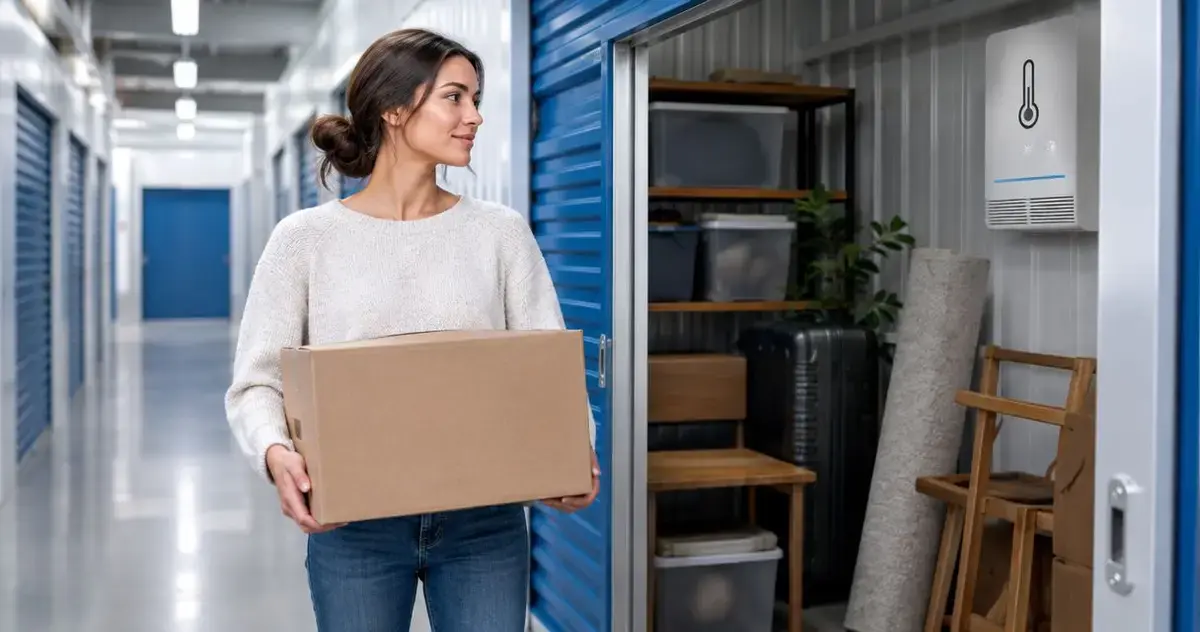
Climate-controlled storage is worth the extra cost when you store belongings that are sensitive to temperature swings or moisture, especially items that are difficult to replace. In 2026, the deciding factor is what you need to protect—not whether a facility offers an upgraded unit. The caveat: climate control does not automatically mean humidity control, and it does not replace careful packing or suitable insurance.
TL;DR
- Is climate controlled storage worth it? Yes for sensitive belongings; not automatically for every box.
- Climate-controlled storage limits temperature exposure; ask separately about humidity control.
- Standard storage suits durable items when the location and conditions fit.
- Endless Storage suits households seeking climate-controlled box storage without facility visits.
Is climate controlled storage worth it in 2026?
Pay for climate control when the protection matches the contents. Paper records, photographs, books, wooden furniture, textiles, and electronics deserve closer attention than weather-resistant outdoor equipment. Their storage needs differ, so a single answer for everything you own is the wrong starting point.
Use this comparison of cheap climate-controlled storage companies to review providers after deciding what protection your belongings need. Compare the actual environmental controls, not just the wording on the unit listing.
Climate-controlled storage
- Best for: Temperature-sensitive belongings and mixed household contents
- Main advantage: Reduces exposure to temperature extremes
- Main limitation: Humidity management needs separate confirmation
Standard storage
- Best for: Durable items suited to the facility's conditions
- Main advantage: Avoids paying for environmental controls you do not need
- Main limitation: Leaves contents more exposed to outdoor temperature changes
Neither option fixes damp packing. A sealed box containing moisture can create problems even inside a temperature-controlled building. Your decision has two parts: choose suitable storage conditions, then prepare the contents properly.
Why this matters
Storage damage is not always obvious when you collect your belongings. A box can look intact while its contents smell musty, paper sticks together, or metal shows corrosion. Temperature is part of the risk; moisture is another.
For your 2026 storage plan, sort items by sensitivity rather than by room. A garage can contain both durable tools and irreplaceable family photographs. Treating the whole room as one storage category gives the wrong items the wrong protection.
The practical question is simple: would damage mean cleaning an item, repairing it, replacing it, or losing something you cannot replace? Climate control earns its place when avoiding that outcome matters more than choosing the simplest storage arrangement.
Climate-controlled storage: best for sensitive belongings
Climate-controlled storage is the stronger choice when temperature changes threaten the materials you are storing. Wood responds to changes in moisture, while paper and textiles need protection from damp conditions. Electronics also need a dry storage environment.
That does not mean every object in these categories needs identical treatment. A replaceable paperback and an original family album are both paper-based, but the consequences of damage differ sharply. Prioritize the items you cannot replace easily.
Give these belongings closer attention:
- Photographs and personal documents: Protect originals from moisture and avoid packing them against damp materials.
- Books and paper collections: Store them dry, supported, and away from direct contact with a potentially damp floor.
- Wooden furniture: Check environmental conditions and avoid wrapping that traps existing moisture.
- Clothing and household textiles: Clean and dry them before packing; climate control does not remove moisture already inside a box.
- Electronics: Follow the manufacturer's storage guidance and keep devices dry.
The advantage is reduced environmental exposure. The limitation is incomplete protection. You still need appropriate packaging, a sound facility, and clear information about the conditions maintained inside it.
Do not assume a climate-controlled label promises a particular temperature or humidity level. Ask the provider what it controls, how it monitors those conditions, and what happens when equipment fails. A specific answer is more useful than a reassuring adjective.
Standard storage: best for durable, low-sensitivity items
Standard storage is a reasonable choice when the contents tolerate the site's conditions and you do not need environmental control. Durable outdoor equipment and weather-resistant items are better candidates than photographs, documents, or moisture-sensitive household contents.
Check the whole item, not just its outer shell. A metal object can include fabric, batteries, adhesives, or other components with different storage requirements. Something designed for outdoor use is not automatically suitable for every enclosed storage environment.
The advantage of standard storage is straightforward: you avoid buying protection your belongings do not require. The limitation is equally clear: the unit generally follows outdoor conditions more closely than a temperature-controlled space.
Before choosing standard storage, inspect the unit for visible leaks, damp surfaces, and poor door seals. Ask about drainage and ventilation. Reject unsuitable conditions rather than trying to compensate with extra wrapping.
Choose standard storage because the items fit the environment—not because all storage units look alike. If your boxes contain a mixture of durable and sensitive belongings, separate them before deciding which arrangement fits.
Why the value of climate control varies
The value of climate control depends on the items, the facility, and your storage routine. These factors explain why the same upgrade makes sense for one household and adds little for another.
- Material sensitivity: Paper, textiles, wood, and electronics need different protection from weather-resistant equipment. Inspect the contents rather than relying on the box label.
- Replaceability: Damage to a replaceable item and damage to an original photograph have different consequences. Sentimental value belongs in the decision.
- Local conditions: Heat, cold, and damp weather affect storage differently. Ask how the specific building handles the conditions at that location.
- Storage duration: Longer storage exposes belongings to more changes in conditions. A short stay still needs suitable packing and a dry environment.
- Packing condition: Clean, dry contents start with less trapped moisture. Environmental controls cannot undo poor preparation inside a closed box.
- Access needs: Protection is only part of a workable storage plan. Choose an arrangement that lets you retrieve belongings when you need them.
For 2026, assess these factors together. A short stay does not justify putting irreplaceable paper in a damp unit, and a long stay does not make climate control necessary for every durable object.
How to decide before you book
Use the same decision process for every storage provider. Start with your belongings, verify the environment, and then confirm how retrieval works. This keeps the decision focused on protection and practical use.
- Sort contents. Separate sensitive belongings from durable items. Keep irreplaceable documents and photographs easy to identify.
- Check conditions. Ask about temperature control and humidity management separately. Inspect the space when you have access to it.
- Pack dry. Clean and fully dry everything before sealing boxes. Avoid packing damp textiles alongside paper or electronics.
- Confirm access. Find out how you retrieve an item, what notice is required, and whether the arrangement fits your schedule.
- Review coverage. Read insurance terms and exclusions. Check whether the protection applies to the belongings and damage risks you care about.
The result should be a storage choice you can explain in one sentence: these belongings need this environment, and this service fits how you will use them. If you cannot make that connection, revisit the choice before booking.
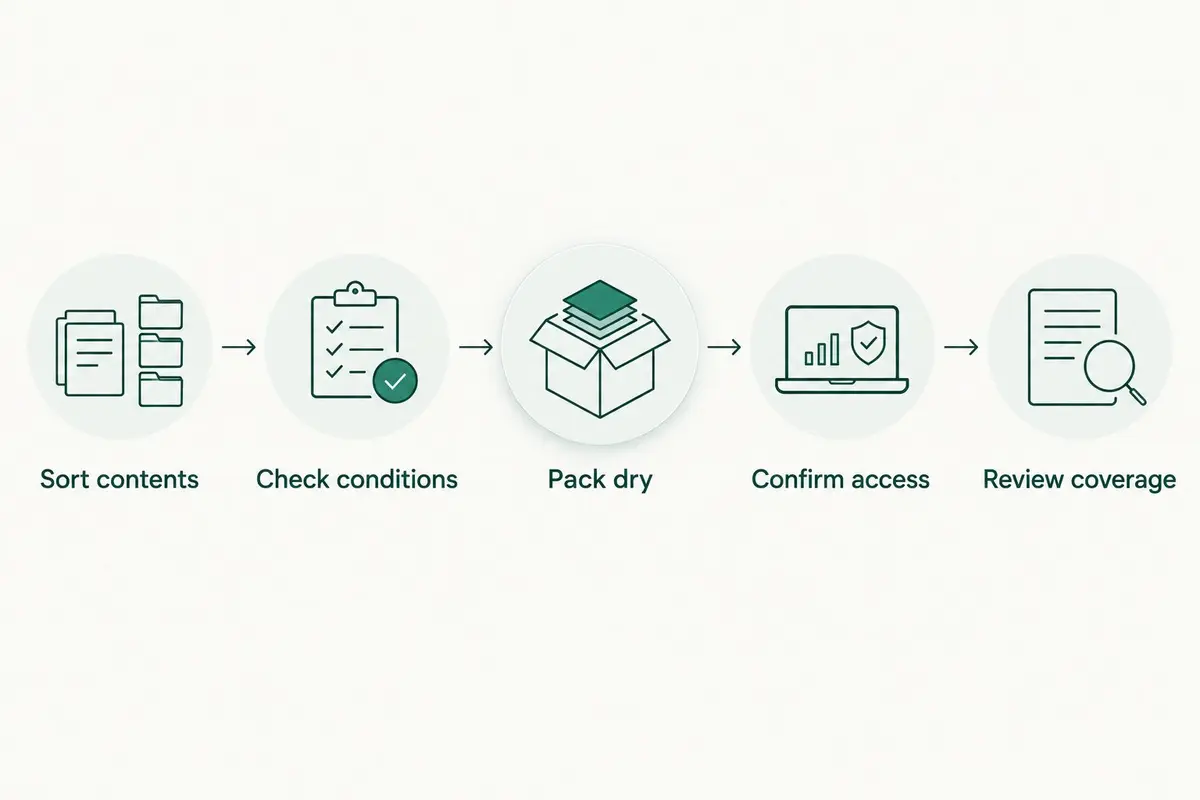
Choose protection for the contents before choosing the storage arrangement.
Questions to ask about the facility
Ask direct questions and request clear answers. You are checking how the storage works, not collecting sales language.
- Does climate control cover temperature, humidity, or both?
- How are conditions monitored inside the storage area?
- What happens during an equipment failure or power interruption?
- What materials or belongings are not accepted?
- What does the insurance cover, and what does it exclude?
- What is the retrieval process?
Use the answers to compare services in 2026. A provider that explains its controls clearly gives you something useful to assess; a label alone does not.
When box storage fits better than a storage unit
You do not always need an entire unit to store household belongings. If your items fit into boxes and you do not need immediate access, collection and return can be more practical than transporting everything yourself.
Endless Storage is best for households that want climate-controlled box storage without facility visits. Endless Storage picks up boxes from your door, stores them in a climate-controlled facility, and returns any box within 48 hours.
That combination addresses both environmental protection and transport. You do not need to treat a storage trip as a separate household task each time you retrieve a box.
The trade-off is access. Endless Storage's 48-hour return window suits planned retrieval; it does not suit a need to collect an item immediately. Keep everyday essentials, urgent paperwork, and anything you expect to need without notice at home.
Endless Storage's climate-controlled box storage fits boxed household contents, not a plan built around visiting your own unit. Choose the service format and the protection level together. Neither should be an afterthought.
Explore storage that comes to you
Doorstep box pickup, climate-controlled storage, and returns within 48 hours.
Do I need climate-controlled storage for a short stay?
A short stay does not remove the need for suitable storage conditions. The contents and the expected environment matter more than calling the stay temporary. Protect sensitive belongings from damp packing and unsuitable conditions from the start.
For durable items, standard storage can fit a short stay when the space is dry and appropriate. For irreplaceable photographs or documents, choose protection based on the consequences of damage, not the calendar alone.
Does climate-controlled storage prevent mold?
Climate-controlled storage does not guarantee mold prevention. Mold needs moisture, so ask whether the provider manages humidity as well as temperature. Pack only dry belongings and investigate any existing dampness before storage.
Do not place a damp blanket in a box and expect the building to dry it. The facility controls the surrounding environment, not every sealed container's contents.
Should I put everything in climate-controlled storage?
Not every belonging needs climate-controlled storage. Separate sensitive materials from durable items, then judge each group against the conditions of the available space. Mixed boxes make that decision harder.
Avoid splitting your belongings into different arrangements if doing so makes retrieval unworkable. The right plan protects the items and remains simple enough for you to use.
FAQ
Is climate controlled storage worth it for household belongings?
Climate-controlled storage is worth it for temperature-sensitive belongings and items that are difficult to replace. Check humidity management separately and pack everything clean and dry.
What's the difference between climate-controlled and standard storage?
Climate-controlled storage manages indoor temperature, while standard storage generally follows outdoor conditions more closely. Humidity control is a separate feature to confirm with the provider.
Do I need climate-controlled storage for clothes?
Climate-controlled storage is a sensible choice for clothing when storage conditions expose textiles to temperature extremes or dampness. Clean and fully dry clothes before packing; temperature control alone does not prevent moisture problems.
Is climate-controlled storage better for books and photographs?
Climate-controlled storage is the stronger choice for books and photographs when it provides suitable environmental conditions. Ask about humidity management, and give irreplaceable originals extra attention when packing.
Can climate-controlled storage prevent rust?
Climate-controlled storage does not guarantee rust prevention. Moisture drives corrosion, so confirm humidity management and store metal items clean and dry.
Is valet box storage better than renting a unit?
Valet box storage fits households that want pickup and return rather than facility visits. Endless Storage returns any box within 48 hours, so keep items requiring immediate access at home.
What should I check before booking climate-controlled storage in 2026?
Check temperature control, humidity management, retrieval procedures, accepted contents, and insurance exclusions before booking in 2026. Choose based on the belongings you need to protect, not the climate-controlled label alone.
One last thing
The most useful storage upgrade can be better sorting. A box that mixes photographs, damp outdoor gear, and household textiles is harder to protect than separate boxes packed for each material. Fix the contents before upgrading the building.
Before your 2026 storage booking, identify the box you would least want to lose or damage. Use its needs to test the provider's answers about conditions, packing, coverage, and retrieval. That makes the decision concrete.