How to Start Packing for College: Essential Tips for Success
How to Start Packing for College: Essential Tips for Success
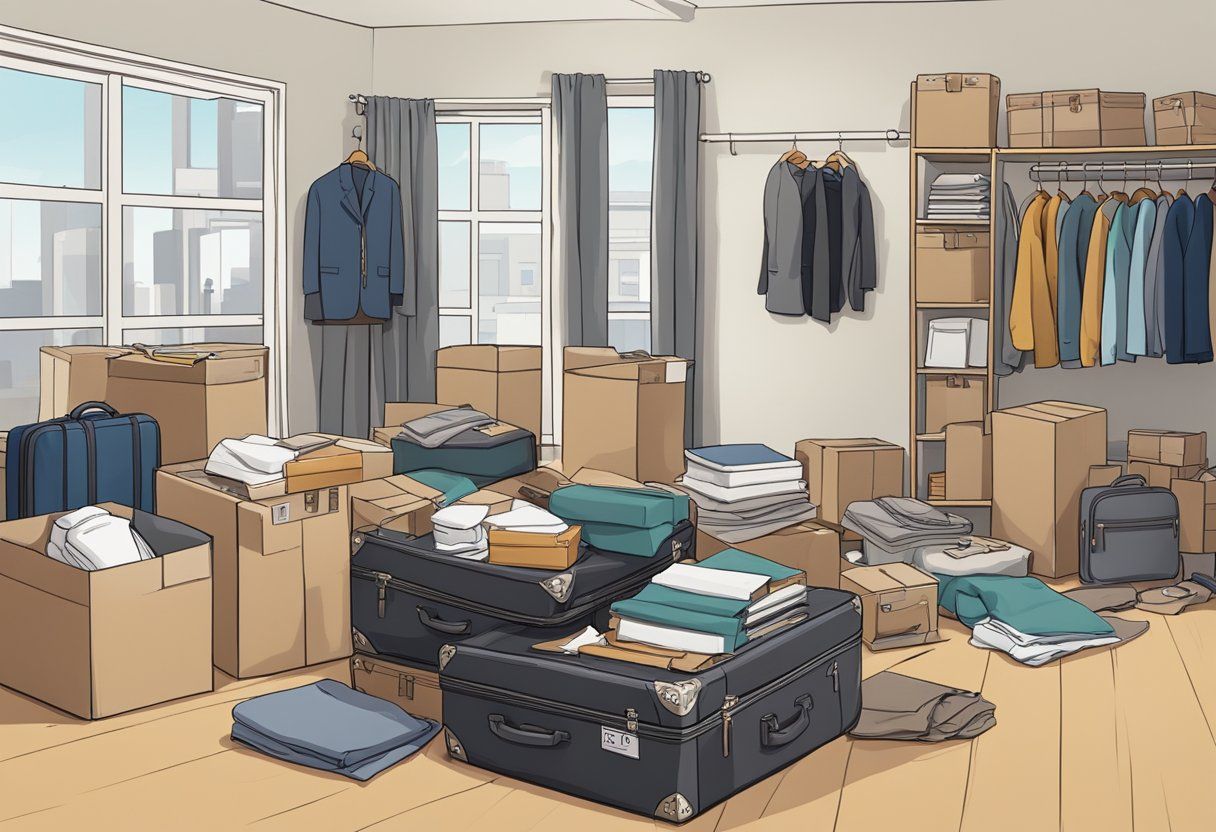
Packing for college is a big step, and it can feel quite overwhelming. You want to make sure you're prepared and don't leave anything behind. Start packing about a month before you leave to give yourself plenty of time to gather everything you need. This approach helps you manage stress and ensures you won't be scrambling at the last minute.
You'll find that organizing your items in advance not only saves time but also makes the transition to college life smoother. Consider creating a checklist of essentials. This list will help you identify items you might need to purchase or find a better way to transport them.
If you're facing space issues, Endless Storage offers a convenient solution. By using our service, you can store your belongings without the hassle of traditional storage units. We pick up, store, and deliver your boxes, making it easier for students in Connecticut, New York, and New Jersey to maximize their limited dorm space while enjoying peace of mind.
Understanding the College Packing Process

Starting to pack for college involves careful planning. You need to decide what’s necessary, when to start packing, and how to organize your things. This process is key to ensuring a smooth transition to dorm life.
Determining Needs Versus Wants
When packing, it’s important to distinguish essentials from extras. Essentials are items you cannot live without, like clothing, toiletries, and electronics. Extras are nice-to-have items, such as decorative pillows or non-essential gadgets. Create a list to separate these categories.
Think about the space you’ll have in your dorm. Dorm rooms are often small, so prioritize what fits comfortably. Ask yourself if you’ve used each item in the past month. This is a good indicator of its necessity. Avoid overpacking by sticking closely to your list and avoiding impulse additions.
Timelines and Checklists
Begin packing about a month before departure. This timeline allows you to gather and carefully select what to bring. Starting early reduces stress and leaves time for last-minute needs.
A checklist is indispensable for staying organized. Include categories like clothing, toiletries, school supplies, and dorm essentials. Be sure to cross off items as you pack them to keep track. Regularly update your checklist to account for any changes in your needs or new school requirements.
Inventory and Organization Tips
Keeping an inventory can simplify packing and unpacking. List your items to see what you have and what might be missing. This helps avoid duplicates and ensures you pack everything essential.
Organizing your belongings well is also important. Use storage solutions like bins and vacuum bags to save space. Consider options like ours for handling overflow items. Once you’re settled, we can deliver your boxes back whenever needed, unlike traditional storage facilities. This service is especially useful for managing items that don’t fit into your dorm room yet.
Starting Early: Pre-Packing Strategies

Organizing your move to college starts with planning ahead. It's important to sort and declutter your belongings to make packing easier and less stressful.
Sorting Personal Belongings
Begin by sorting through your personal items. Separate them into categories: what you'll take, what you'll store, and what you'll donate or discard. This process helps you prioritize essentials like clothes, books, and electronics you'll need for college life.
Use boxes or bins to group items by category. Clearly label them for easy access.
Decluttering Your Space
Clearing out unnecessary items is crucial before packing. Start with areas like your closet and desk. Remove anything you haven't used in the past year and consider donating or selling these items.
This process not only reduces what you need to pack but also creates more space in your new living area. Remember, moving to college often means dealing with limited dorm space. Opting for storage solutions helps manage overflow without renting a unit, offering a flexible solution tailored to your needs. This way, you can focus on organizing essentials while we handle the rest.
Essential Packing Categories
Getting ready to leave for college involves organizing various essentials. Ensuring you have the right clothing, bedding, study materials, gadgets, and personal care items is key. This helps in making your dorm feel like home and supports your academic success.
Clothing and Wardrobe
When planning your wardrobe for college, think about versatility and climate. Pack enough clothes to cover different seasons if you're in a climate with varied weather. Essentials like jeans, t-shirts, a couple of formal outfits, and a good jacket are vital. Remember to bring comfortable shoes for walking and some nicer options for events.
Limit your choices in accessories but include necessary items like belts and hats. Washing facilities can be unpredictable, so pack enough socks and underwear. Bringing your own laundry supplies, like detergent pods and a collapsible basket, will help you manage your wardrobe effectively.
Bedding and Room Necessities
Creating a comfortable sleeping environment can make all the difference during your college experience. Start with a good-quality mattress topper if needed, as dorm beds are not known for comfort. Include a set of soft sheets, pillows, and a warm blanket or comforter.
Consider bringing a study lamp, surge protectors, and command hooks for hanging items without damaging walls. Storage solutions, like under-bed bins or crates, help in keeping your room tidy. These necessities ensure your space is both functional and welcoming.
Academic Supplies
Staying organized is critical for academic success. Stock up on notebooks, folders, and pens. A planner or digital calendar can help keep track of deadlines. Highlighters and sticky notes are great for marking important information.
Include a backpack that is comfortable to carry daily. File organizers and paper clips make managing handouts easier. If you're a frequent library visitor, a study tote might also be useful.
Electronics and Accessories
Reliable electronics are key tools in college. A laptop is essential for assignments and research. Don't forget chargers and backup batteries. Noise-canceling headphones can create a focused study environment.
Consider a portable hard drive for data backup. A compact printer might save you frequent trips to the library. Protect your devices with cases and screen protectors.
Toiletries and Medications
Maintaining personal hygiene in a shared bathroom requires organization. Use a shower caddy to transport toiletries easily. Include basics like shampoo, soap, toothbrush, and toothpaste. Stock up on essentials like deodorant and moisturizer.
Packing a small first aid kit with pain relievers and basic medications is wise. Prescription medications should be kept in their original bottles.
Packing Methods and Hacks
When packing for college, it's crucial to be efficient. Using smart packing methods can help save space, protect your belongings, and keep everything organized. Your journey can be more manageable with these useful strategies.
Space-Saving Techniques
Maximizing space means considering ways to pack efficiently. Rolling your clothes instead of folding them can save space and reduce wrinkles.
Utilize vacuum bags for bulky items like jackets or bedding to compress them into a fraction of their size. Choose multi-functional storage items, such as bins that fit under beds or stackable organizers, to fully utilize your dorm room space.
Protecting Fragile Items
Transporting fragile items safely requires careful planning. Start by wrapping delicate items in soft materials, like towels or bubble wrap. Use clothing or soft linens to fill gaps in boxes, providing additional cushioning and preventing movement during transport.
Reserve hard-sided containers for especially fragile items to offer extra protection.
Weather-Appropriate Packing
Packing for college means preparing for the climate and seasons you'll encounter. Research the seasonal weather patterns where your college is located and pack accordingly. For warm climates, prioritize light and breathable fabrics in your wardrobe.
In cooler areas, make sure you have layers, jackets, and waterproof gear.
Labeling and Documentation
Keeping your belongings organized and easy to find requires proper labeling. Clearly mark each box with its contents using waterproof markers or labels. Consider numbering your boxes and keeping a detailed list of what's inside each one. This will help you find items quickly and ensure nothing is forgotten.
Use a simple color-coding system for different types of items (e.g., kitchenware, clothing) to further streamline unpacking.
Transportation and Moving In
Efficient transportation and handling of your belongings are crucial when moving to college. Choosing suitable transport methods and understanding how to navigate move-in day can make the process smoother.
Choosing the Right Transport
Selecting the right transportation for your move involves considering your travel distance and the volume of your belongings. If you're moving a short distance, you might opt for a personal vehicle or a rented van. This allows flexibility in packing and timing. For longer distances, shipping services or a moving company can offer convenience, albeit at a higher cost.
It's essential to balance your budget with practicality.
Navigating Move-In Day
Planning ahead for move-in day is crucial to avoid chaos. Begin by checking your college’s official move-in times to plan your arrival accordingly. Arriving early can help you secure a good parking spot and have more time to settle.
Pack an essentials bag with necessities for the first day, such as toiletries and a change of clothes. This way, you're not scrambling through boxes after a long day of travel.
Consider time management for unloading your vehicle, and have a strategy for organizing your dorm space.
Setting Up Your College Space
Creating a comfortable and functional college dorm is important for your academic and personal life. Start by thinking about what you really need in a small space. Use furniture that can serve more than one purpose, like a bed with storage drawers or a foldable desk.
Bedding Essentials: A good night's sleep is crucial. Invest in a soft mattress topper and cozy blankets. These items can make your bed a comfortable place for rest and study.
Storage Ideas: Maximizing limited space is key. Use under-bed storage bins or stackable boxes to organize your belongings. Wall hooks and over-the-door hangers are useful for bags and coats.
Study Area: Choose a chair and a desk lamp that support long hours of study. Keep this area tidy to improve focus and productivity.
Decor Tips: Personalize your space with photos or artwork. Pick a few decorations that make you feel at home but remember not to overcrowd your room.
Post-Move Organization and Adjustments
After moving into your college dorm, it’s important to get organized. Arrange your furniture to make the best use of your limited space. Ensure that your desk has easy access to outlets and natural light.
Unpack strategically. Start with your essentials, like bedding, toiletries, and a few days’ worth of clothes. This helps you settle in quickly.
Create a simple cleaning schedule. A clean space helps you stay focused and comfortable. Decide on a day or two each week to tidy up so things don’t pile up.
Make the most of your storage space. Use under-bed bins, stackable crates, and over-the-door organizers. These help maximize your room’s capacity without feeling cluttered.
Enjoy the Journey Ahead
As you prepare to head off to college, you're about to embark on one of the most exciting chapters of your life. The transition to dorm life is full of new experiences, challenges, and opportunities.
Take your time packing, stay organized, and remember that this is a process—you're setting yourself up for success.