
30 Genius Space Saving Storage Ideas That Transform Small Homes
Mastering Vertical Space: Smart Wall Storage Solutions

Making the most of wall space is one of the smartest ways to add storage to your home. Most walls remain underutilized, yet they offer excellent potential for organizing and storing items, especially in smaller living spaces. This is becoming increasingly important - research shows that by 2027, North America will make up 57% of tiny house growth. As homes get smaller, creative wall storage solutions become essential for comfortable living.
Beyond Basic Shelves: Creative Wall-Mounted Systems
While standard shelving works well, there are many more exciting options for wall storage. Pegboards offer exceptional flexibility - you can easily move hooks and accessories around as your needs change. Floating shelves provide clean lines and free up floor space while displaying books, kitchen items, or decorative pieces. The key is thinking about your specific storage needs and choosing systems that address them directly.
Modular Magic: Adaptable and Expandable Storage
Modular storage units give you the power to create custom solutions that grow with your needs. These systems let you add, remove, or rearrange components whenever you want. For example, you might start with a few cubes for craft supplies, then expand the system later to include more storage for seasonal items. The beauty of modular storage is that it evolves as your storage needs change.
Maximizing Height While Maintaining Balance
When planning wall storage, consider using the full height of your walls - right up to the ceiling. But remember that filling every inch of wall space can make a room feel cramped. The secret is mixing different storage types to create visual interest. Try combining closed cabinets for hiding everyday items with open shelving for showing off special pieces. This approach keeps things organized while maintaining an appealing look.
Practical Considerations for Wall Storage Success
Setting up effective wall storage requires careful planning beyond just looks. First, think about weight distribution - heavier items should stay low, while lighter ones can go up high. Next, consider how often you'll need to access different items. Keep everyday essentials within easy reach and store rarely-used items in those higher spots. This thoughtful arrangement makes your storage both safe and practical, helping you make the most of your living space while keeping everything you need close at hand.
Transforming Dead Space Into Storage Gold

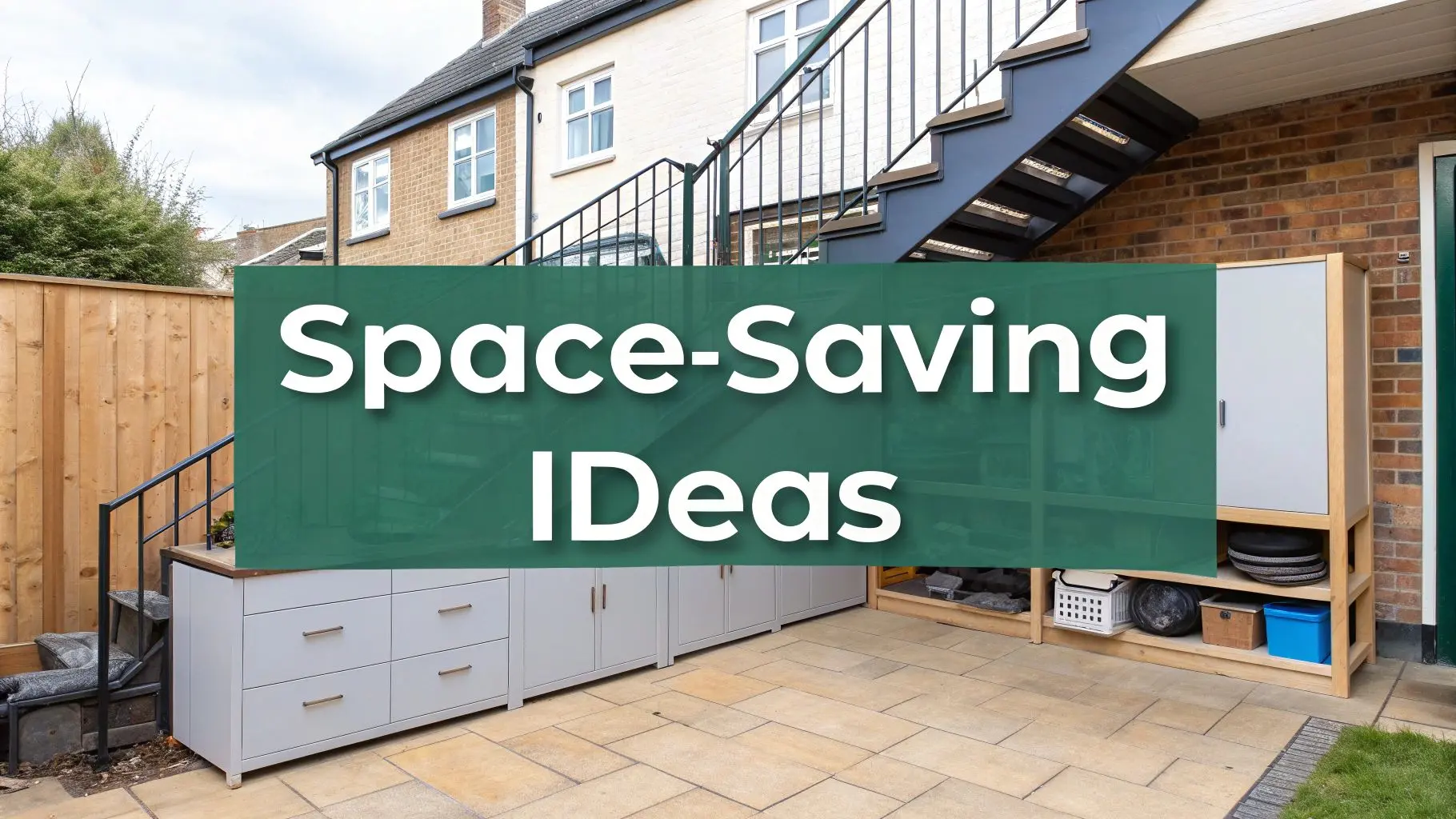
Many homes have forgotten spaces that often go unused - those awkward spots under stairs, in corners, and above doorways. These neglected areas hold great potential for smart storage solutions, especially important as more people embrace compact living. By thinking strategically about these spaces, you can add valuable storage while keeping your home organized and clutter-free.
Unlocking the Potential Under the Stairs
The space beneath staircases offers prime real estate for storage that many homeowners overlook. Rather than letting this area collect dust, you can transform it into a functional storage zone. Pull-out drawers work perfectly here - they can neatly store everything from shoes and winter clothes to sports equipment. For instance, converting the space into a pantry gives you a dedicated spot for food storage, freeing up kitchen cabinets for other items. This simple change can dramatically improve your home's storage capacity.
Creative Corner Solutions and Above-Doorway Storage
Those tricky corners in rooms don't have to be wasted space. Custom corner cabinets with angled shelves make excellent use of these spots while blending smoothly with your room's design. This approach works especially well in smaller bathrooms or bedrooms where every inch counts. Similarly, the area above doorways presents another opportunity - adding shelves here creates perfect storage for items you don't need daily access to, like extra blankets or seasonal decorations.
Utilizing Space Between Wall Studs
Even your walls can provide hidden storage opportunities. The space between wall studs offers room for recessed shelving or slim cabinets without taking up floor space. A shallow cabinet built into bathroom walls can store toiletries and medicines, clearing counter clutter. In kitchens, these wall spaces make ideal spots for spice storage or canned goods, keeping everything organized and within easy reach.
DIY vs. Professional: Finding the Right Approach
When adding storage solutions, you can either tackle the project yourself or hire a professional. For DIY enthusiasts, many online guides offer detailed instructions for building custom storage. However, complex projects might benefit from professional expertise. A contractor can ensure your storage solutions look polished and work efficiently while matching your home's style. Consider your budget, the project's complexity, and your DIY comfort level when deciding which route to take. Either way, turning unused spaces into storage areas makes your home more functional and organized - a worthwhile investment that improves daily living.
Double-Duty Furniture: The Smart Home Revolution
Going beyond basic storage ottomans, multifunctional furniture offers creative solutions for maximizing space in modern homes. As living spaces get smaller and the tiny home movement grows - with North America expected to make up 57% of this market by 2027 - finding furniture that serves multiple purposes has become essential for comfortable living.
Choosing Furniture That Works Overtime
When selecting double-duty furniture, focus on pieces that truly enhance your daily life. For instance, while a storage ottoman can hide extra blankets and provide seating, poor design can make accessing storage frustrating. Look for quality construction, smooth-operating mechanisms, and generous storage capacity that will stand up to regular use.
Convertible Furniture: From Day to Night
Transforming furniture presents smart solutions for space challenges. Take Murphy beds - they tuck neatly into walls during the day and pull down at night for sleeping. Some models even include built-in desks, letting one room function as both office and bedroom. This flexibility proves especially valuable in studio apartments where space is limited.
Dining Tables With a Secret
Your dining table can do more than host meals. Many tables now include hidden storage for tablecloths, placemats, or serving pieces. This keeps dining essentials close at hand but out of sight, reducing the need for additional storage furniture. Options include tables with drawers, lift-top designs, or pull-out compartments beneath extension leaves.
Real-Life Examples: Living Large in Small Spaces
Smart furniture combinations can transform compact spaces. Picture a living room with a storage sofa bed paired with a height-adjustable coffee table that becomes a desk. This setup allows one room to serve as living area, guest room, and home office. Similarly, a bed with under-storage drawers plus wall-mounted shelving creates an organized bedroom that feels spacious rather than cramped.
Beyond the Basics: Innovative Storage Furniture
Storage solutions have evolved far past simple ottomans. Consider an entryway bench that opens to store shoes and bags, or wall shelves with integrated drawers that provide both display space and hidden storage. Even decorative mirrors now come with concealed jewelry compartments. These examples show how simple design changes can maximize functionality in small spaces while maintaining style. By choosing pieces that combine practicality with good looks, you can create an organized home that works perfectly for your needs.
Kitchen Storage Strategies That Actually Work

Small kitchens need smart storage solutions to function well. As more people embrace compact living spaces, with North America expected to represent 57% of tiny house growth by 2027, making the most of limited kitchen space has become essential. Good organization helps create an efficient and enjoyable cooking environment, no matter the size constraints.
Maximizing Vertical Space in Your Kitchen
The walls and cabinet heights offer valuable storage potential in any kitchen. Rather than just adding basic shelves, think carefully about item placement. Store rarely used items in upper cabinets while keeping everyday essentials in lower cabinets and drawers for easy access. Adding adjustable shelving inside cabinets lets you customize the space based on what you're storing, from tall bottles to small containers.
Innovative Cabinet Organizers for a Streamlined Kitchen
Disorganized cabinets quickly turn into chaos, but specialized organizers can help. Simple additions like tiered spice racks, slide-out drawers for pots and pans, and vertical dividers for baking sheets transform messy cabinets into orderly zones. For instance, drawer organizers keep utensils, cutlery and kitchen tools neatly separated so you can quickly grab what you need. These small changes make a big difference in kitchen efficiency.
Clever Countertop Solutions That Save Space
Counter space is precious in compact kitchens. Make the most of it by using stackable fruit baskets and slim utensil holders. Installing magnetic knife strips on the wall frees up drawer space while keeping knives handy. Beyond saving space, this professional-style setup adds a polished look to your kitchen.
Creating Efficient Workflow Zones in Compact Kitchens
A well-organized kitchen needs smart traffic flow. Consider how you move while cooking and arrange your main work zones - stove, sink and fridge - in a triangle pattern to minimize steps. Within this layout, group related items together. Keep cutting boards and knives by the sink where you prep ingredients. This thoughtful organization makes cooking in a small space more pleasant. For seasonal items or appliances you don't use often, Endless Storage offers flexible per-box storage starting at $7.99 monthly. This helps keep your kitchen focused on daily essentials. By implementing these practical storage ideas, you can turn a cramped kitchen into an organized cooking space that's truly enjoyable to use.
Bedroom and Closet Organization Mastery

A disorganized bedroom can quickly become overwhelming, especially in smaller homes where every square foot counts. By implementing smart storage solutions and organizational systems, you can transform your bedroom into a peaceful retreat while maximizing available space.
Innovative Closet Systems for Maximum Impact
A well-designed closet system forms the foundation of an organized bedroom. Standard closet layouts often waste valuable space, but installing adjustable components can help you customize storage to your specific needs. For example, movable shelving allows you to modify heights to fit different items - from tall boots to folded sweaters. Adding specialized organizers for accessories like scarves and belts keeps everything neatly arranged and easy to find. These targeted improvements help your closet work harder while maintaining order.
Under-Bed Storage: Hidden Treasures
The space under your bed offers prime real estate for storage that's out of sight but still accessible. Rolling containers make it simple to access stored items like off-season clothing or extra bedding. For an even more polished look, consider a bed frame with built-in drawers that eliminate the need for separate containers. This approach works especially well in compact rooms where floor space is limited, providing valuable storage without taking up additional room.
Creative Wardrobe Solutions: Maximizing Space and Style
Making the most of vertical space is essential for an organized wardrobe. Installing shelves above hanging rods creates extra room for folded items and handbags. Over-the-door organizers turn unused door space into storage for shoes, accessories, or small clothing items. These solutions help keep everything organized while maintaining an open, uncluttered feel in the room.
Practical Strategies for a Clutter-Free Oasis
Creating an organized bedroom requires developing good habits alongside smart storage. Regular seasonal clothing rotations help keep closets manageable and make getting dressed easier. Setting up a dedicated dressing area, even in a small space, prevents clothes from piling up on furniture. A simple setup with a chair, full-length mirror, and designated spot for accessories creates a natural flow and encourages tidiness. These practical approaches contribute to a more peaceful bedroom environment.
Small changes in bedroom organization can make a big difference in how the space functions and feels. By combining smart storage solutions with consistent organizing habits, you can create a bedroom that feels spacious, calm, and welcoming. The goal isn't just about looking organized - it's about making your bedroom work better for your daily life.
Implementation Guide: From Chaos to Organized
Creating an organized living space takes more than just good ideas - it requires a clear plan and consistent follow-through. Let's break down the process into manageable phases that will help you transform cluttered spaces into functional, organized areas that work for your lifestyle.
Phase 1: Space Assessment and Planning
The first step is taking a thorough inventory of your space. Walk through each room and note problem areas, measuring dimensions of potential storage spots like under-stair spaces or awkward corners. Consider how you actually use each space - if you're an avid cook, the kitchen may need extra attention for gadget storage. If you work from home, office organization might be the priority. This initial assessment provides the foundation for smart storage decisions.
Phase 2: Prioritization and Budgeting
With your assessment complete, rank projects based on impact and available budget. Focus first on the spaces causing daily frustration - like that overstuffed closet that makes getting dressed a hassle. If funds are tight, start with simple DIY solutions like adding basic shelving or repurposing furniture you already own. Breaking down the work this way helps you make meaningful progress without getting overwhelmed.
Phase 3: Implementation and Execution
Now it's time for action. Take on one area at a time, whether that means installing new shelving, sorting through belongings, or setting up storage systems. For example, tackle kitchen cabinet organization before moving on to countertop solutions. This focused approach lets you see quick wins while building sustainable organizing habits. Remember that the goal is creating systems that you can easily maintain long-term.
Phase 4: Maintenance and Adaptation
Keeping spaces organized requires ongoing attention. Schedule regular decluttering sessions to prevent buildup and be ready to adjust systems as your needs change. A growing family or new hobbies may require tweaking storage solutions. This flexibility ensures your organized spaces continue serving you well over time.
Practical Tips From the Pros
- Measure Twice, Buy Once: Take detailed measurements before purchasing storage items to ensure perfect fits.
- Start Small, Think Big: Begin with a single drawer or shelf to build confidence and momentum.
- Maximize Vertical Space: Use wall-mounted storage and tall shelving units to take advantage of unused vertical space.
- Invest in Quality Organizers: Choose durable solutions for frequently accessed items.
- Label Everything: Clear labeling helps maintain organization systems long-term.
For items you don't need regular access to, consider Endless Storage as an affordable solution. Starting at $2.99 per box monthly, this service provides flexible storage options for seasonal items and occasional-use belongings, helping maintain clutter-free living spaces.