Temperature Controlled Storage: Essential Strategies
The Essential Foundations of Temperature Controlled Storage

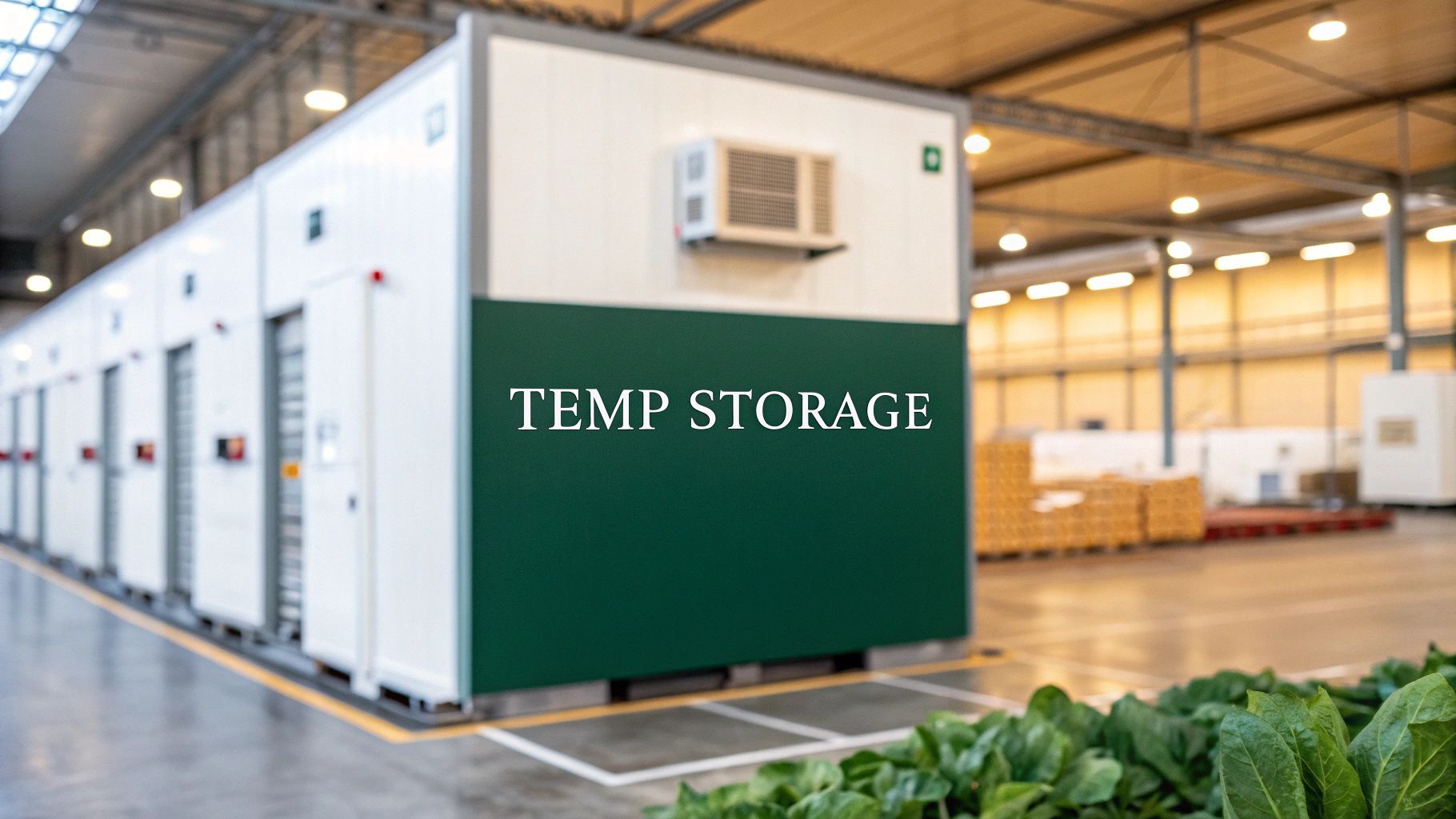
Temperature controlled storage isn't just about keeping things cool. It's a precise system designed to maintain specific temperature and humidity levels, safeguarding valuable items from damage. This sets it apart from standard warehousing, which often prioritizes space and basic security. Understanding these differences is key to making smart storage choices.
Core Components of Effective Temperature Control
Effective temperature control relies on several key components working together. These include insulation to prevent temperature swings, HVAC systems like those from Trane for precise climate regulation, and monitoring systems to ensure stable conditions. Think of a sophisticated refrigerator, constantly adjusting to maintain the ideal temperature, regardless of outside conditions. Specialized systems might also include air filtration and humidity control for sensitive items.
Decoding Industry Standards and Terminology
The world of temperature controlled storage has its own language. Terms like "climate-controlled," "temperature-controlled," and "air-cooled" are often used interchangeably, but they offer different levels of protection. Climate-controlled units regulate both temperature and humidity, providing the most comprehensive protection. Temperature-controlled facilities primarily regulate temperature, protecting against extreme heat and cold. Air-cooled storage offers basic cooling, mostly protecting against excessive heat but not necessarily humidity. Knowing these distinctions helps you choose the best storage solution.
Assessing Your Specific Needs
Deciding if temperature controlled storage is right for you requires careful consideration. Factors like the type of goods, storage duration, and the potential effects of temperature and humidity fluctuations all play a role. Sensitive items like electronics, pharmaceuticals, and artwork often require strict climate control. Durable goods like outdoor furniture might not need such precise regulation. Careful analysis helps you avoid unnecessary costs while ensuring optimal protection.
The global cold storage market is booming. It reached $159.7 billion in 2024 and is projected to reach $427.6 billion by 2030, growing at a CAGR of 18.1%. This growth is driven by increased demand for perishables, advancements in refrigerated warehouses, and stricter food safety regulations. Industry leaders like Americold Logistics LLC and Cloverleaf Cold Storage are investing in infrastructure and automation, highlighting the sector's importance. You can find detailed statistics here: https://www.grandviewresearch.com/industry-analysis/cold-storage-market This demonstrates the increasing need for temperature controlled storage across various industries. With careful planning and the right information, businesses can utilize these solutions to protect their assets and maintain their value.
Pharmaceutical Excellence Through Temperature Control

In the pharmaceutical industry, maintaining the efficacy of medications and vaccines is paramount. Temperature-controlled storage is crucial for preserving the potency of these life-saving products. This specialized storage goes beyond simply preventing spoilage; it safeguards the power and safety of essential medicines. This section explores how leading pharmaceutical companies use temperature control to ensure product integrity.
Specialized Systems for Diverse Pharmaceutical Needs
Different pharmaceutical products have unique temperature requirements, necessitating diverse storage solutions. For instance, many common vaccines need standard refrigeration between 2-8°C.
Other medications might require deep freezing at -20°C. Some biologics and vaccines even necessitate ultra-low temperature storage at -70°C or lower. This range of requirements demands specialized systems designed for each specific temperature.
Monitoring Technologies and Compliance
Maintaining correct temperatures isn't enough; pharmaceutical companies must also meticulously monitor and document these conditions. They achieve this using advanced monitoring technologies that provide real-time data and alerts.
This constant monitoring ensures compliance with Good Distribution Practice (GDP) guidelines. It also establishes a secure chain of custody, essential for quality control and accountability. Detailed documentation allows for precise tracking of product handling and ensures compliance with regulations.
Temperature-controlled packaging is also vital for preserving medication and vaccine efficacy during transit. As the pharmaceutical industry expands globally, so does the need for reliable temperature-controlled packaging solutions. This is especially important for complying with strict regulatory guidelines set by agencies like the FDA and EMA.
This growing demand is particularly evident in regions with advanced healthcare systems, such as North America. Learn more about this increasing need for temperature-controlled packaging: Temperature-Controlled Packaging Solutions Market
Quality Management Systems and Product Integrity
Effective quality management systems (QMS) are essential for temperature-controlled storage. These systems ensure storage practices meet regulatory requirements and best practices. A robust QMS incorporates validation, qualification, and mapping of storage areas.
These processes guarantee consistent temperature control and protect product integrity throughout the supply chain. From manufacturing to patient delivery, a well-implemented QMS helps prevent costly temperature deviations and, most importantly, safeguards patient safety.
Food Industry Innovation: Beyond Basic Cold Storage
The world of temperature-controlled storage is rapidly changing. The food industry is moving past simple refrigeration and embracing sophisticated systems designed to keep food fresher longer and minimize waste. This shift is largely driven by consumer demand for high-quality, long-lasting products.
Advanced Technologies Transforming Food Storage
Industry leaders are adopting new technologies to optimize their temperature-controlled storage. Automated retrieval systems (ARS) are making warehouse operations more efficient by reducing human error. These systems act like giant vending machines for pallets, precisely locating and retrieving products, minimizing temperature fluctuations during handling.
Energy-efficient cooling technologies are also gaining traction. Using natural refrigerants, these systems reduce environmental impact and lower operational costs. AI-powered inventory management provides additional benefits by offering real-time insights into stock levels, predicting demand, and optimizing storage space utilization.
Strategic Temperature Zoning and its Benefits
Maintaining the same temperature throughout an entire storage facility can be inefficient. Temperature zoning offers a smarter approach. This strategy divides a facility into separate zones, each maintained at the optimal temperature for specific products.
For example, frozen goods might require -18°C, while fresh produce thrives in a separate chilled zone at a higher temperature. This targeted approach saves energy and enhances quality control. It also allows companies to adjust to seasonal changes in product demand, ensuring ideal storage conditions for every item.
Advancements in Food Preservation
Advancements in food preservation techniques, like non-thermal methods such as ultra-high-pressure processing (UHP), are influencing how the food industry utilizes temperature-controlled storage. UHP reduces the need for large refrigerated areas. However, traditional thermal preservation methods are still common, particularly in places with strict regulations like the United States. This shift towards innovative preservation methods highlights the need for flexible and efficient storage solutions. Learn more: Advances in Thermal and Non-thermal Food Preservation
The Impact on Shelf Life, Nutrition, and Safety
Temperature-controlled storage significantly impacts key aspects of food quality. Precise temperature management extends the shelf life of perishable goods, minimizing spoilage and waste. It also helps preserve essential nutrients that can degrade over time under improper storage.
Proper temperature control plays a crucial role in food safety. Controlled environments minimize the risk of bacterial growth and other hazards, creating a safer food supply chain. These benefits translate to less food waste, cost savings for businesses, and healthier options for consumers.
To illustrate the importance of temperature and humidity control, consider the following table:
Temperature Requirements by Food CategoryThis table outlines optimal temperature ranges for storing different food categories to maintain safety and quality.
As demonstrated in the table, different food categories have specific temperature and humidity requirements that directly impact their shelf life. Maintaining these optimal conditions is critical for preserving quality, minimizing spoilage, and ensuring food safety.
Making the Business Case for Temperature Control

Temperature-controlled storage offers significant advantages. However, it's a substantial investment. A thorough cost-benefit analysis is essential before committing to this specialized solution. This analysis ensures your investment is a wise one by carefully weighing all expenses and potential returns.
Calculating Total Ownership Costs
Understanding the financial picture requires looking beyond the initial price. Total ownership costs represent all expenses associated with temperature-controlled storage throughout its lifespan.
- Initial construction or leasing costs: This is the upfront expense to acquire the storage space itself.
- Equipment purchases: Refrigeration units, HVAC systems, monitoring equipment, and other necessary technology contribute to the initial investment.
- Ongoing energy consumption: Maintaining specific temperatures requires a substantial amount of energy, a recurring operational expense.
- Specialized maintenance: Complex climate control systems require regular maintenance for reliable operation.
- Insurance requirements: Protecting stored goods often necessitates specific insurance coverage.
Accurately assessing these costs empowers businesses to make informed decisions. For instance, constructing a temperature-controlled facility might have higher upfront costs. However, the long-term savings from reduced product loss due to spoilage or degradation can make it financially sound.
To help illustrate the various costs and benefits associated with different temperature-controlled storage solutions, the following table provides a comparison:
Temperature Controlled Storage Systems Comparison: A side-by-side comparison of different temperature controlled storage systems by cost, efficiency, and application
This table highlights the trade-offs between different temperature-controlled storage systems. While refrigerated warehouses offer extensive capacity, they come with a high initial investment. Conversely, portable refrigerated containers have lower upfront costs but higher operating expenses. Choosing the right system depends on the specific needs and budget of the business.
Analyzing ROI and Payback Periods
After determining total ownership costs, businesses can evaluate the return on investment (ROI) and payback period. ROI measures the profitability of the investment relative to its cost. The payback period is the time required for the investment's returns to cover the initial cost.
Real-world case studies provide valuable insights. These studies often illustrate typical payback periods and ROI milestones across various industries. Examining other businesses' experiences helps anticipate the potential financial benefits of temperature-controlled storage. Pharmaceutical companies storing temperature-sensitive medications, for example, often see quick payback periods. This is largely due to the high value of the protected goods.
Phased Implementation and Financing Options
Implementing temperature-controlled storage doesn’t necessitate a massive upfront investment. Phased implementation allows businesses to introduce temperature control gradually, managing capital expenditures more effectively.
This involves starting with critical areas and expanding as needed. Various financing options, along with potential tax incentives, can improve project economics. These options can significantly reduce upfront costs and shorten the payback period, making temperature-controlled storage accessible to businesses of all sizes. By carefully considering these financial factors, businesses can maximize the value and minimize the risks of this essential investment.
Navigating the Regulatory Maze With Confidence
Temperature-controlled storage isn't just about hitting the right temperature; it's about navigating a complex web of industry-specific regulations. This section breaks down those requirements, offering insights into best practices for compliance and how they can boost your market standing.
Understanding Industry-Specific Regulations
Different industries have unique regulations for temperature-controlled storage. For the pharmaceutical industry, agencies like the FDA and EMA enforce strict guidelines for storing medications and vaccines. These often specify temperature ranges and detailed documentation procedures. Some vaccines, for example, require storage between 2-8°C, while certain biologics need ultra-low temperatures of -70°C or lower.
The food industry faces its own set of rules, often focused on preventing spoilage and ensuring consumer safety. The Food Safety Modernization Act (FSMA) mandates controls for temperature-controlled storage within the food supply chain. These regulations emphasize traceability and preventative measures to minimize foodborne illnesses. Further, specialized standards exist for sensitive biological materials to maintain their viability and prevent contamination.
Documentation Systems for Compliance and Visibility
Maintaining meticulous records is crucial for regulatory compliance. This includes documenting temperature readings, maintenance logs, and any deviations from set procedures. This creates a comprehensive history of your storage environment, providing solid proof of compliance.
Practical approaches to documentation often involve digital systems. These systems automatically record and store data, reducing manual work and increasing accuracy. Real-time visibility allows businesses to address any issues quickly, potentially saving valuable inventory and avoiding costly penalties. These systems function as a continuous audit trail, readily available for regulatory inspectors.
Standard Operating Procedures and Operational Efficiency
Top organizations develop Standard Operating Procedures (SOPs) for all aspects of temperature-controlled storage. SOPs offer clear instructions for employees, ensuring consistent practices and minimizing errors. They cover everything from receiving and storing inventory to temperature monitoring and emergency response.
Effective SOPs not only guarantee regulatory compliance but also enhance operational efficiency. By standardizing processes, businesses can optimize workflows, reduce training time, and prevent costly mistakes. This balance of compliance and efficiency builds a competitive edge in today's market.
Preparing for Regulatory Inspections
Regulatory inspections are a vital part of maintaining compliance, and thorough preparation is essential. This involves organizing documentation, calibrating equipment, and training staff on inspection protocols. It's similar to studying for an exam – review the material and practice the procedures.
Proactively addressing potential problems and maintaining a well-organized facility demonstrates a commitment to quality and builds confidence. This preparedness ensures compliance, strengthens trust with regulatory bodies, and enhances a company's reputation. Inspections become less stressful and more of a validation of established best practices.
Continuous Improvement and Market Leadership
Regulations are always evolving. Maintaining a continuous improvement mindset is crucial for staying ahead. This means regularly reviewing SOPs, adopting new technologies, and gathering employee feedback. This proactive approach enables companies to adapt to new regulations and identify areas for optimization.
By consistently striving to improve temperature-controlled storage practices, businesses can maintain compliance, mitigate risks, and strengthen their market position. This focus transforms regulatory compliance from an obligation into a source of operational excellence and market differentiation.
The Future of Temperature-Controlled Storage

The temperature-controlled storage industry is constantly changing. New technologies and evolving market demands are creating opportunities for better efficiency, sustainability, and accessibility. These advancements offer improved solutions for both businesses and consumers.
IoT: Creating Intelligent Storage Environments
The Internet of Things (IoT) is transforming temperature-controlled storage. Imagine a warehouse where each pallet has a sensor transmitting real-time temperature data. This is the power of the IoT.
These smart sensors connect to a central system, providing constant monitoring and alerts. It’s a network of interconnected devices working together to optimize storage conditions.
This real-time monitoring enables predictive maintenance. By analyzing data, facility managers can anticipate equipment failures and address them proactively. This prevents costly downtime and product loss. This shift from reactive to proactive maintenance improves efficiency and minimizes disruptions. Furthermore, IoT-enabled systems offer significant visibility into storage conditions, allowing for data-driven decisions and greater control.
Sustainability: Reducing Environmental Impact and Costs
Sustainability is increasingly important. New cooling technologies are lessening the environmental impact of temperature-controlled storage while also lowering operational costs. This means facilities can be environmentally responsible and cost-effective.
One key development is using natural refrigerants like ammonia and CO2. These substances have a much lower global warming potential than traditional refrigerants. Integrating renewable energy sources like solar and wind power further reduces reliance on fossil fuels. These efforts contribute to a more sustainable future for temperature-controlled storage.
E-commerce and the Demand for Flexible Fulfillment
The growth of e-commerce is changing the demand for temperature-controlled storage. Online shoppers want quick delivery of perishable goods. This creates a need for flexible, localized fulfillment networks. Storage facilities now need to be strategically located and equipped for rapid order fulfillment.
Temperature-controlled warehouses are evolving. They’re becoming smaller, more agile facilities located closer to consumers. This localization allows for faster delivery and lower transportation costs, meeting the demands of e-commerce.
Automation and Robotics in Specialized Environments
Automation and robotics are tackling challenges in temperature-controlled storage. These technologies are especially helpful in environments with strict temperature requirements, where human activity can be disruptive or unsafe.
Robots can handle repetitive tasks like picking and packing, increasing efficiency and lowering labor costs. Automated systems can also manage inventory, optimizing storage space and reducing waste. These improvements make temperature-controlled storage more practical for a wider variety of products, from pharmaceuticals to groceries.
These trends are shaping the future of temperature-controlled storage, creating more efficient, sustainable, and adaptable solutions. Businesses that adopt these advances will gain a competitive edge. For a reliable and cost-effective solution for your temperature-sensitive storage needs, consider Endless Storage. They provide flexible storage-by-the-box services, including climate-controlled facilities and nationwide coverage. Learn more about their services and affordable pricing here.