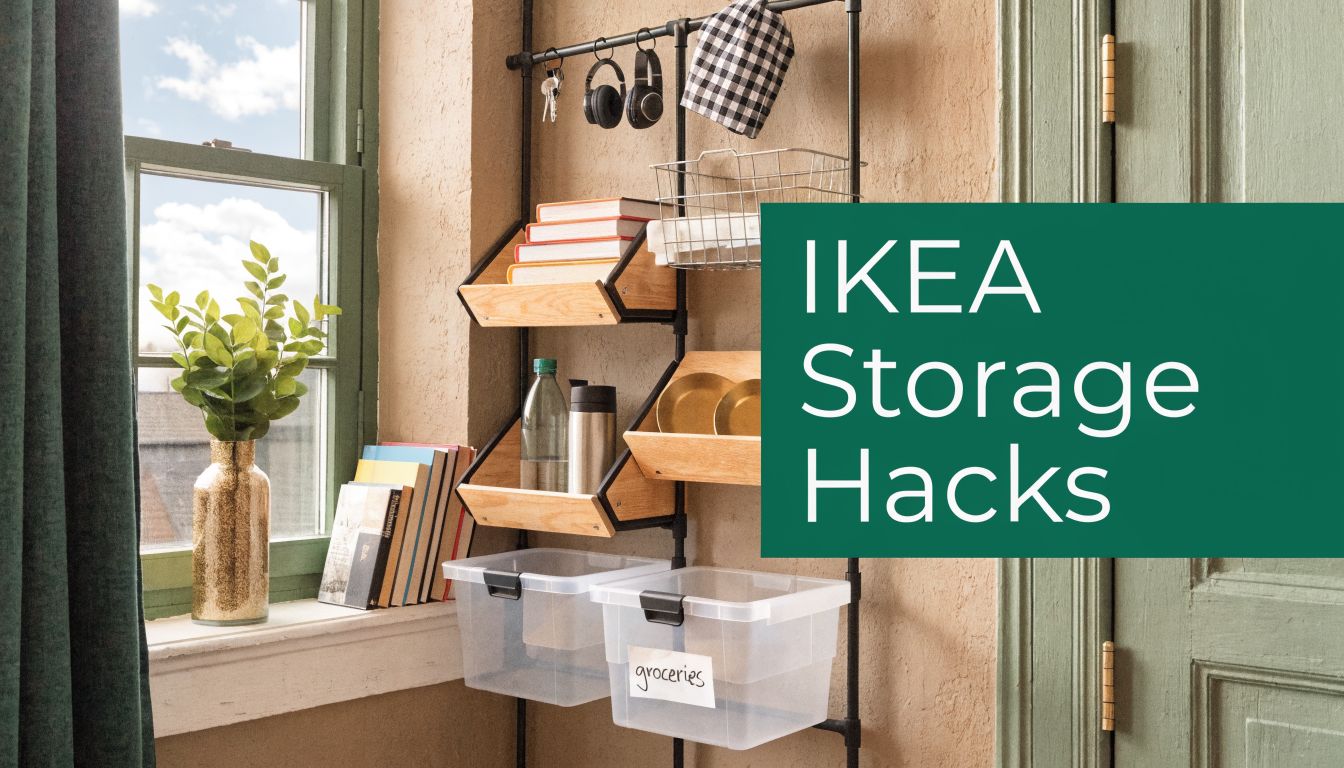
You buy one extra storage bin for the closet, then the bin needs a place to live too. That is how small apartments get cluttered fast. The problem usually is not laziness or lack of trying. It is that the room has already used up its workable square footage.
That is why IKEA storage hacks keep showing up in real homes. They let you turn awkward spots into useful ones without paying for custom millwork. A shallow entry wall can hold daily grab-and-go items. A window can become seating plus hidden storage. A blank corner can start pulling its weight.
The good hacks do more than hold stuff. They reduce visual mess, improve how a room flows, and solve a specific pain point you deal with every day. I also look at them through a practical filter: cost, time, skill level, and whether the project is smarter than keeping a few low-use items somewhere else. Sometimes the right answer is to build. Sometimes the better answer is to free up the apartment and store the overflow off-site.
That trade-off matters in small-space living. If the materials, tools, and weekend effort will only help you keep rarely used gear in the apartment, a storage unit may be the cleaner fix. If the hack will improve daily function, it usually earns its footprint.
You will see that decision point throughout this guide, along with a “When to Use Endless Storage Instead” note for each project. If you want more ideas before picking a build, this roundup of DIY storage ideas for small spaces is a useful place to start.
For readers planning around cube systems, this guide can also help you maximize your cube storage. If you also want broader non-DIY inspiration, these smart storage solutions for small apartments are worth browsing.
1. Hack 1 The KALLAX Window Bench Seat and Storage
A KALLAX turned on its side under a window solves two small-apartment problems at once. You get a place to sit, and you turn a dead strip of wall into usable storage.
I use this hack where every piece of furniture has to earn its footprint. It works especially well in bedrooms, kids' rooms, and studio apartments where a separate bench or accent chair would eat up walking space. The best version feels built-in, not dropped in, so measure the wall, window trim, and sill height before buying anything.
What makes this hack work
Start with the unit on its long side. If the top will be visible, add a plywood cap so the bench reads like furniture instead of shelving. Then add foam and a removable cover. A zippered cover is worth the extra effort because bench cushions get dirty fast.
The seat height matters. So does depth. If the finished cushion pushes the bench too high, people perch instead of sit. If the bench is too deep for the window wall, it starts to crowd the room.
A few build choices make a big difference:
- Anchor the unit to the wall: A bench takes side pressure every time someone sits down or shifts weight. Securing it keeps the frame from racking over time.
- Use bins where clutter would stay visible: Open cubes only look calm when the contents are edited. Matching bins hide the visual noise.
- Keep one cube easy to reach: Use it for blankets, chargers, books, or a laptop tray. Daily-use storage should not require digging.
- Check the sill before final placement: A low sill can act like a backrest. A high sill often needs larger pillows to make the seat comfortable.
Practical rule: If the contents would bother you from across the room, cover them.
If you want more ways to make cubbies work harder in a tight layout, these DIY storage ideas for small spaces are useful for planning a wall that has to do more than one job.
Cost, time, and skill
This is a moderate-cost project once you include the cushion, cover, plywood top, and bins. If you already own the KALLAX, the price drops a lot. If you want the bench to look custom, upholstery materials usually cost more than people expect.
Set aside half a day for a basic version and a full day if you are cutting a finished top and sewing the cover. Skill level is beginner to lower-intermediate. You need accurate measuring, clean drilling, and at least one straight cut.
For more cube-specific planning, this guide can help you maximize your cube storage.
When to Use Endless Storage Instead
Build this bench if the cubbies will hold things you touch every week. Shoes, kids' gear, extra throws, current books, and work-from-sofa supplies make sense here.
Skip it if you are using prime in-apartment space to hold low-use overflow. Seasonal decor, old paperwork, backup kitchen appliances, and sentimental boxes will fill the cubes and turn the bench into a storage problem with a cushion on top. In that case, Endless Storage is the cleaner call. Keep the bench for daily function, and move the rarely used backlog off-site.
2. Hack 2 The IVAR Floating Wall Desk and Storage
A spare bedroom is a luxury. A two-foot stretch of wall is more common. That is why IVAR works so well for small apartments. It can turn dead wall space into a desk, vertical storage, and a drop zone for work gear without eating the whole room.
The best version of this hack stays narrow and intentional. Use IVAR side pieces and shelves to build a compact wall setup that reads clean from across the room. In a studio or living room office corner, that matters as much as storage capacity.
What makes this hack work
The floating effect comes from visual lightness, not magic hardware. Keep the footprint tight, mount the shelves level, and leave enough open space underneath the desktop so the floor stays visible. That open gap makes the room feel less crowded.
Use one shelf as the desktop. Add one or two shelves above it for items you reach for during the week. Set the desktop depth by the task:
- Laptop work: A shallow top is enough and keeps the walkway clear.
- Household admin: Leave room for a small file sorter, charger tray, and task light.
- Light hobbies: Store materials in labeled boxes so the desk can reset fast.
Mount the desktop for your chair and your body, not for the shelf hole that seems convenient. A desk that is an inch too high gets uncomfortable fast.
Build notes that save headaches
IVAR is forgiving to paint or stain, but the wall is what decides whether this project feels sharp or sloppy. Studs make the job easier. Hollow walls mean better anchors, slower measuring, and less margin for error.
I also keep cable control in the plan from the start. If cords drape down the wall, the setup stops looking built-in and starts looking temporary. A cable tray, adhesive clips, and one charging point usually fix that.
Open shelving above a desk is useful, but it has a trade-off. It gives you fast access, and it also puts every unfinished project on display. In a room that already pulls double duty, closed bins do a lot of visual work.
Cost, time, and skill
Cost lands in the moderate range. The IVAR parts are straightforward, but the overall budget includes anchors or lag screws, finish materials, a cable solution, and possibly a better shelf for the desktop if you want a cleaner edge.
Plan for one afternoon if your wall is flat and you know where the studs are. Add more time for patching, painting, or dealing with plaster, masonry, or baseboards that throw off your measurements.
Skill level is beginner-friendly only if you are confident with a level, drill, and wall anchors. Otherwise, call it intermediate. The hard part is not assembling IVAR. It is mounting everything straight, strong, and at the right height.
What works and what doesn’t
This hack works best as a compact station for current-use items. A laptop, notebook, headphones, charger, and one or two storage boxes fit the format. So do basic craft supplies if they can be packed away after use.
It starts failing when people ask it to hold an entire office. Printers, banker boxes, archived paperwork, and thick stacks of reference books push the system past what a slim wall desk does well. The room feels busier, the desktop disappears, and the floating look is gone.
If you need this area to stay calm, set a hard limit. Nothing lives here unless you used it this week.
When to Use Endless Storage Instead
Build the IVAR desk if the wall needs to support daily work in a small footprint. It earns its keep when every shelf holds active items and the desktop clears quickly.
Use Endless Storage instead if the actual problem is volume, not layout. Archived files, old class notes, extra monitors, seasonal hobby supplies, and backup tech do not belong in your main living space just because a shelf is available. Move the low-use backlog off-site, then build the desk around what is left. That gives you a better workspace and a better test for whether this hack is solving the right problem.
3. Hack 3 The BESTÅ Built-in Media Credenza
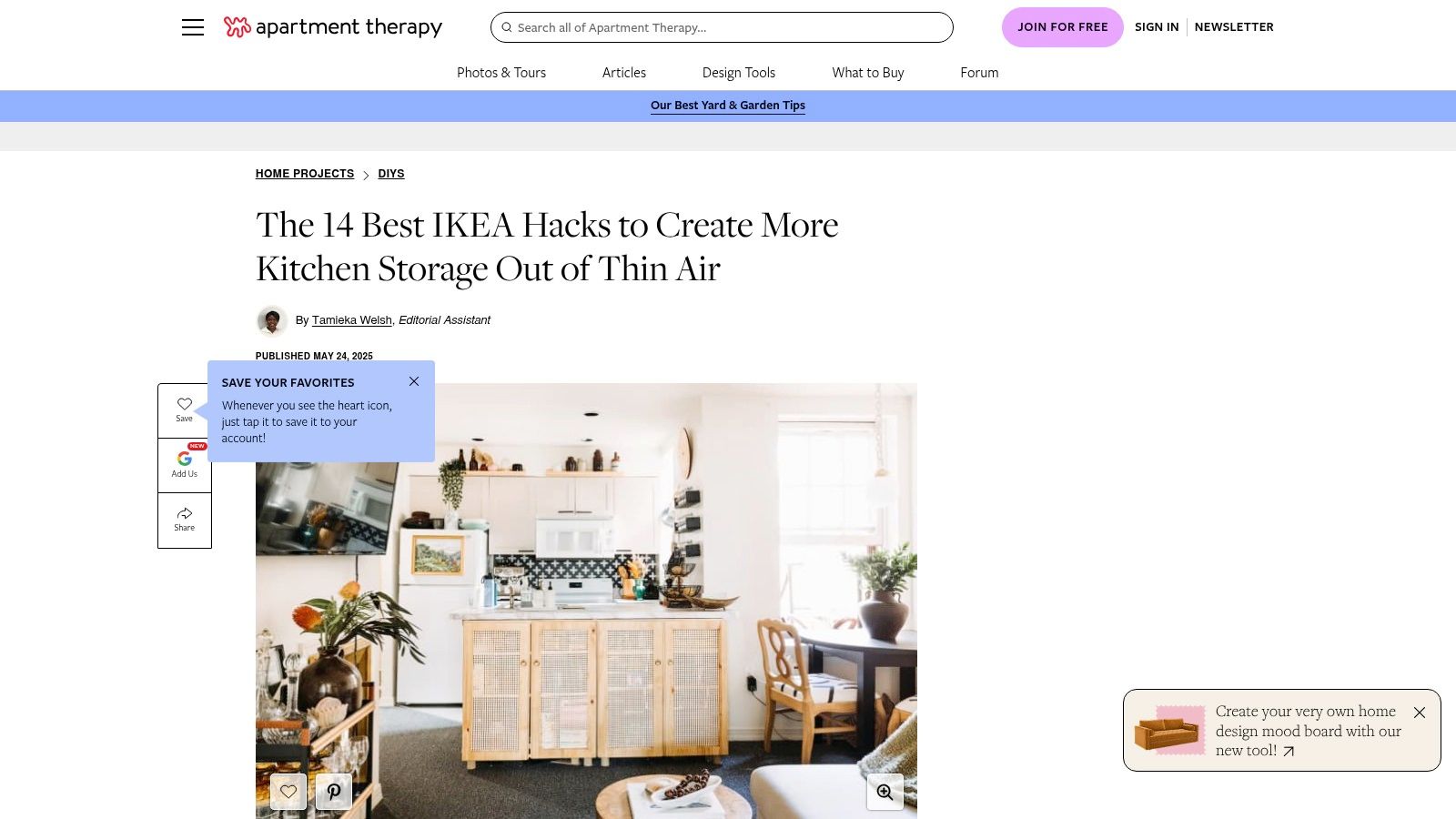
BESTÅ is one of the easiest IKEA pieces to make look more expensive than it is. Add a wood top, swap the hardware, change the legs, and suddenly the standard media unit starts reading like a custom credenza.
This kind of upgrade also benefits from IKEA’s ability to keep high-demand storage products available. IKEA says its demand sensing AI reaches 98% forecast accuracy across 450+ stores and e-commerce channels in 54 markets by analyzing up to 200 data sources per product, according to IKEA’s artificial intelligence demand forecasting story. For shoppers, the practical takeaway is simple. Core storage pieces are easier to plan around when inventory is more predictable.
How to make it feel built in
The trick is not the box itself. It’s the finishing layer.
Use a top that overhangs slightly and has more visual weight than the original surface. Choose legs with enough height to lighten the unit, unless you want a low, architectural look. If you’re hiding media gear inside, think about airflow and remote access before choosing solid fronts.
Three upgrades make the biggest difference:
- A real wood or wood-look top: This is what removes the flat-pack look fastest.
- Hardware with presence: Long pulls or knobs with contrast change the whole face.
- Cable planning early: Drill clean pass-throughs before the unit is full.
A good media credenza isn’t just about hiding cables. It has to make cable access easy later, because you will swap a device eventually.
Cost, time, and skill
Cost is moderate to moderately high, depending on the top and hardware. The shell is approachable. The custom-looking extras drive the final price.
Time is usually a half-day if you keep modifications simple, longer if you paint or fit a custom top. Skill level is beginner to intermediate. Assembly is easy. Making it look perfectly finished takes more care.
Trade-offs to think through
This hack works best for apartments where the living room has to stay visually calm. Closed storage helps a lot with that. It’s less ideal if you want deep storage for bulky board games, big speakers, or random moving leftovers, because media units can become catch-all cabinets fast.
When to use Endless Storage instead
If your media cabinet is about to become a graveyard for old routers, extra cords, game boxes, manuals, and “maybe I’ll use this later” electronics, stop there. That clutter multiplies because it’s hidden.
Use the BESTÅ for the equipment you use now. Move old tech, archived discs, and extra accessories off-site so the unit stays functional. Hidden storage should still be intentional storage.
4. Hack 4 The TRONES Slim Entryway Catch-All

A cramped entry can make the whole apartment feel messy, even when the rest of the place is under control. TRONES fixes a specific problem. It catches the stream of small items that otherwise land on the nearest chair, counter, or floor.
Grouped on a wall, TRONES can hold shoes, dog gear, gloves, reusable bags, mail, and the weird pocket clutter that accumulates by the door. Because the cabinets are shallow, they fit where bulkier furniture doesn’t.
Why this one earns its footprint
The top lip becomes a mini landing strip for keys and sunglasses. Inside, each compartment handles lighter, flatter categories best. Don’t overload them with heavy tools or thick winter stacks unless you want the fronts to feel awkward.
This is especially useful if you’re trying to keep floor area open. IKEA’s room-planning guidance and related small-space storage ideas have pushed more people toward wall-based organization in overlooked spaces, and that same official guide is also a good companion to genius small apartment storage solutions when your bottleneck is the entrance, not the bedroom.
Cost, time, and skill
Cost is low to moderate. TRONES itself is usually one of the more approachable storage pieces for a small-space project. Paint, labels, and a wood topper can enhance the appearance if you want it to feel less utilitarian.
Time is short. This can be done in a couple of hours. Skill level is beginner if you’re comfortable locating studs or using appropriate anchors.
What to store inside
- Daily grab items: Reusable totes, lint roller, umbrellas, dog leash.
- Shoe overflow: Flats, sandals, slippers, or kids’ shoes work better than heavy boots.
- Paper control: One compartment for outgoing mail and returns keeps paper from spreading.
What I’ve learned: The best TRONES setup isn’t the prettiest one. It’s the one where every household member knows exactly which compartment is theirs.
When to use Endless Storage instead
TRONES isn’t a substitute for a real purge of coats, off-season footwear, or moving supplies. If your entry is choking on items you don’t need this month, no slim cabinet will fix that.
Use TRONES for daily turnover. If you’re trying to hide ski gear in summer or four extra tote bags full of “stuff to deal with later,” send the low-use items to storage and give the entry back its breathing room.
5. Hack 5 The BEKVÄM Spice Rack Book and Display Ledges
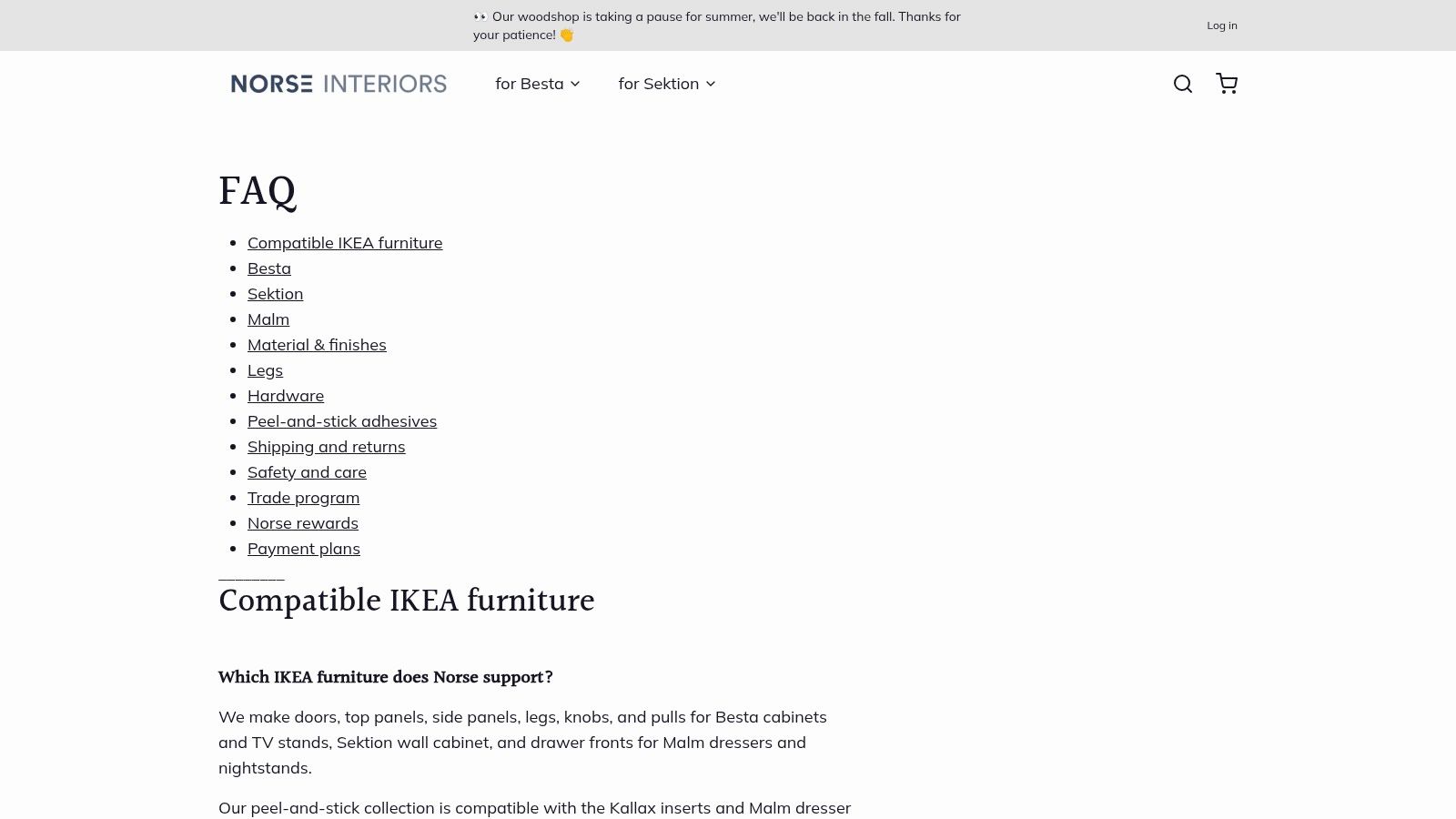
Some hacks succeed because they solve a tiny but common problem. BEKVÄM spice racks turned into narrow ledges do exactly that. They turn skinny wall scraps into useful display and storage without the visual bulk of a full shelf.
I like them in kids’ rooms, next to beds, in kitchens for small cookbooks, or in bathrooms for lightweight products. In a small apartment, shallow storage often beats deep storage because it forces better editing.
Best uses for shallow ledges
Forward-facing books are the classic move. Kids see the covers, which means books get picked up instead of forgotten on a lower shelf. In adult spaces, the same rack can hold a rotating set of books, framed photos, mail, or small toiletries.
The biggest mistake is treating these like general shelves. They’re not. They’re for slim items and visual editing.
A few strong placements:
- Next to a reading chair: One rack for the current books, one for glasses and a small notebook.
- In a nursery or kid room: Lower placement makes books accessible.
- Inside a pantry door area: Good for packets, wraps, or recipe cards if wall conditions allow.
For anyone using this as a reading-zone upgrade, these book organization ideas pair well with the ledge approach.
Cost, time, and skill
Cost is low. That’s part of the appeal. Paint or stain can make them disappear into the wall or stand out as a design feature.
Time is quick. Skill level is beginner, with the usual caveat that bad wall anchors turn easy projects into annoying ones.
What works and what doesn’t
What works is limiting each ledge to one category. Children’s books. Paperbacks. Small framed prints. Hand towels. One idea per ledge keeps it tidy.
What doesn’t work is loading them with thick hardcovers or breakables in a high-traffic area. Shallow racks also collect dust faster when they become decor shelves nobody touches.
Keep the bottom ledge low enough for real use. If a child or adult can’t comfortably reach it, it becomes wall styling instead of storage.
When to use Endless Storage instead
If your real issue is book volume, not book access, ledges won’t help much. They’re excellent for a curated front row, terrible for storing a large collection in a small apartment.
Display the current favorites and move archive books, old textbooks, and sentimental volumes you rarely open out of the room. That keeps the ledges useful instead of turning them into a token fix for an oversized collection.
6. Hack 6 The PAX Custom Closet Command Center
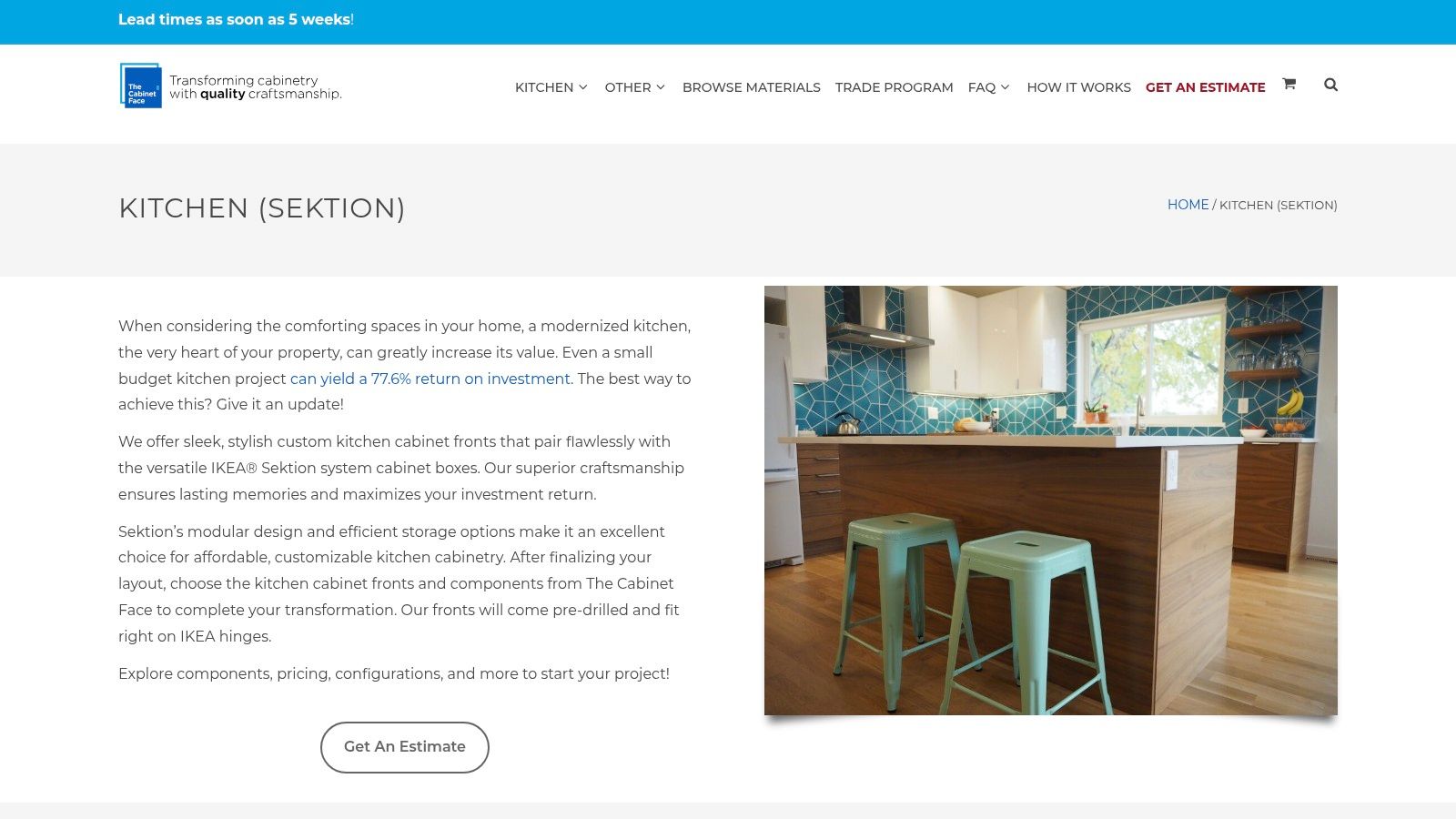
A small apartment hits a breaking point when one chair holds laundry, the desk stores paperwork, and cleaning supplies migrate from room to room. PAX fixes that by giving all the awkward categories one controlled home behind doors.
That closed-front setup is the primary advantage. Visual noise drops fast, and the room feels calmer even before you finish organizing. I use PAX when open shelving has already failed, or when the goal is to combine several storage jobs into one wall: clothes, household overflow, office gear, and project supplies.
Build the inside first
The mistake is treating PAX like a furniture facelift. It works better when you plan it like a workflow.
Start with the categories you need to store every week. Hanging clothes, folded items, printer paper, cables, vacuum attachments, gift wrap, bulk toiletries. Then assign each one a storage type that fits how you use it. Shelves for stacks. Drawers for small items. Pull-outs for things that get buried. Boxes only for lightweight, low-use items.
If closet function is the priority, this guide on how to maximize closet space with smart storage solutions is a useful planning reference before you buy inserts.
A good PAX setup can look custom without custom millwork prices, but only if the interior earns its footprint.
Cost, time, and skill
Cost is medium to high. A simple frame with basic shelves is manageable. Add drawers, lighting, upgraded fronts, trim, and organizers, and the total climbs quickly.
Time is moderate to long. A plain install can take most of a day. A built-in look usually spills into a weekend once you include leveling, fastening, filler pieces, caulk, and paint.
Skill is intermediate. Assembly is straightforward if the floor is level and the walls are cooperative. Scribing trim, correcting gaps, and getting multiple units to read as one clean installation takes more patience than the IKEA instructions suggest.
Real trade-offs
PAX gives you capacity and concealment, but it asks for depth. In a narrow bedroom or office, that matters. Measure door swing, walking clearance, and outlet locations before committing to a full wall of units.
Renters should be careful here. Many PAX builds are safer when anchored, especially on uneven floors or in homes with kids. In a renter-focused IKEA hack discussion, the creator specifically points out that drilling and built-in style modifications can create lease problems for strict no-drill apartments, which is a fair warning to take seriously in this kind of project: renter-focused IKEA hack discussion reference.
Another trade-off is honesty. PAX can hide a mess so well that it becomes a delayed-decision cabinet. If everything goes behind a door with no zones, you have not solved storage. You have just hidden backlog.
Give each vertical section one job. One for clothing, one for office supply overflow, one for household stock. Mixed zones are what turn a good cabinet into a frustrating one.
When to use Endless Storage instead
Choose PAX when the items need regular access and deserve prime real estate in the apartment. In-season clothes, current work materials, active craft tools, and daily household supplies fit well.
Use Endless Storage when you are trying to make room for things you barely touch. Archive files, off-season decor, old hobby equipment, memory boxes, and backup household items can eat an entire PAX unit without improving daily life. If your plan for PAX starts sounding like "everything that does not fit anywhere else," that is the point to store the low-use items off-site and keep the cabinet working as a command center instead of a hidden catch-all.
7. Hack 7 The RÅSKOG Rolling Pantry and Utility Cart
You open a lower cabinet and half the groceries slide forward. The bathroom sink cabinet is packed with backups, but the items you use every morning are still hard to reach. That is the job a RÅSKOG-style cart handles well. It gives active supplies a small, mobile home without asking for permanent floor space.
I use rolling carts where fixed storage would be too deep, too bulky, or in the wrong room. In a small apartment, that flexibility matters. The cart can live beside the fridge this month, then move to a work nook or bathroom later. That makes it one of the few storage pieces on this list that still earns its keep after a move.
Best ways to use a rolling cart
The best setup is simple. Give each tier one job and resist the urge to mix categories.
In kitchens, the cart works best for daily-use items such as snacks, oils, lunch supplies, tea, coffee gear, or produce that does not need refrigeration. In bathrooms, use the top for morning and evening essentials, the middle for hair or skin products, and the bottom for extra toilet paper or cleaning supplies. In living rooms or bedrooms, it works well as a charging station, craft cart, or side table with hidden utility.
A few add-ons improve the result fast:
- Bin inserts or small cups: Keep packets, clips, and tiny tools from scattering.
- Labels: Helpful in shared homes where one cart serves several people.
- Shelf liners or tray mats: Reduce rattling and help glass, bottles, and metal tools stay put.
Put the heaviest items on the bottom tier. A cart loaded top-heavy gets annoying fast, especially on old apartment floors that are slightly uneven.
Cost, time, and skill
This is one of the lower-effort hacks in the article.
- Estimated cost: Low to moderate, depending on the cart and accessories
- Time: About 30 to 60 minutes for assembly and setup
- Skill level: Beginner
The trade-off is capacity. A rolling cart is great for access and flexibility, but it will never replace a real pantry cabinet or deep utility closet. If you keep buying organizers for a cart that is already overloaded, the problem is not the cart. The problem is volume.
If you want the kitchen version to stay useful, pair it with a clear system for what belongs on it. This guide on how to organize a kitchen pantry helps define those boundaries before the cart turns into overflow parking.
What this hack does better than fixed furniture
Mobility is the main advantage. You can pull the cart next to your prep area while cooking, roll it into a bathroom for guests, or tuck it into a closet when you need the floor clear. Fixed furniture cannot do that.
It also solves awkward gaps well. A narrow strip beside the fridge, the dead zone next to a desk, or the open edge of a vanity often cannot fit standard cabinets. A cart can.
The downside is visibility. Everything on a rolling cart reads as part of the room, so clutter shows immediately. This hack works best for items you use often enough to justify keeping them in sight.
When to use Endless Storage instead
Choose the cart for active supplies that need quick access and a small footprint. That includes weekly pantry items, toiletries in rotation, kids' art supplies, pet gear, or cleaning products you use.
Use Endless Storage for the extras that make the cart bulky and messy. Bulk paper goods, duplicate toiletries, seasonal serving pieces, backup pantry stock, and hobby supplies you touch once in a while take up room without helping daily routines. If the bottom tier keeps becoming a holding zone for "just in case" items, move those off-site and keep the cart focused on what earns easy access every day.
7 IKEA Storage Hacks: Quick Comparison
| Hack | 🔄 Implementation (complexity & time) | ⚡ Resources (materials, tools & cost) | ⭐ Expected outcomes (quality/impact) | 📊 Ideal use cases | 💡 Key advantages / Tips |
|---|---|---|---|---|---|
| Hack 1: The KALLAX Window Bench Seat & Storage | Easy, ~2–3 hrs; basic upholstery and light fastening | KALLAX, MDF/foam, fabric, DRÖNA boxes; staple gun, drill; $90–$140 | ⭐⭐⭐⭐, Comfortable seating + organized cubbies | Small living rooms or bedrooms under a window | Adds seating with integrated storage; secure cushion with Velcro or L‑brackets |
| Hack 2: The IVAR "Floating" Wall Desk & Storage | Medium, 2–4 hrs; wall-mounting requires precision and anchors | IVAR units/shelves, heavy‑duty anchors; drill, level, stud finder; $120–$160 | ⭐⭐⭐⭐, Slim, space-saving workstation | Hallways, small-home offices, laptop/study nooks | Strong vertical footprint and customizable finish; always mount into studs or use proper anchors |
| Hack 3: The BESTÅ "Built-in" Media Credenza | Medium, 3–5 hrs + drying; woodworking and finishing steps | BESTÅ frame, wood top, legs, new hardware; drill, sandpaper; $250–$400 | ⭐⭐⭐⭐, Elevated, furniture‑grade media credenza with concealed storage | Living rooms needing a refined TV/AV center | High aesthetic upgrade and cable management; use short screws to secure top from inside |
| Hack 4: The TRONES Slim Entryway "Catch-All" | Easy, ~1 hr; straightforward wall mounting | TRONES cabinets (x3), wall anchors; drill, level; $40–$50 | ⭐⭐⭐, Ultra‑slim hidden storage for daily items | Narrow hallways and entryways as a drop‑zone | Minimal footprint and configurable layout; use top recess as key/mail tray |
| Hack 5: The BEKVÄM Spice Rack Book & Display Ledges | Easy, <1 hr; minimal assembly and mounting | BEKVÄM racks (x3), screws/anchors; drill, level; $20–$30 | ⭐⭐⭐, Forward‑facing display shelves for books/decor | Children's rooms, narrow walls for display shelving | Very affordable and kid‑friendly; paint before mounting for a finished look |
| Hack 6: The PAX Custom Closet Command Center | Hard, 4–6 hrs; requires planning and secure wall anchoring | PAX frame, KOMPLEMENT organizers, optional doors/lighting; drill, level; $200–$500+ | ⭐⭐⭐⭐⭐, Large, hidden, highly configurable vertical storage/office | Closet offices, craft stations, full‑height organization | Extremely modular and concealment-friendly; use planner tool and install integrated lighting |
| Hack 7: The RÅSKOG Rolling Pantry & Utility Cart | Easy, ~20 min; simple assembly from box | RÅSKOG cart; tools included; $40–$50 | ⭐⭐⭐, Mobile, three‑tier storage with high versatility | Tiny kitchens, craft stations, bathroom or bar cart | Portable and tweakable (dividers/paint); reserve for high‑turnover daily items |
From Hacked to Handled Your Next Storage Step
Good ikea hacks for storage do more than squeeze extra bins into a room. They change how the room works. A KALLAX bench can turn a dead window wall into seating plus stash space. TRONES can stop the entry pileup before it spreads. A PAX setup can absorb visual mess that open shelving never could. Small apartments feel bigger when each piece has a clear job.
But every storage hack has a limit. Some solve access problems. Some solve visibility problems. Some solve the lack of vertical storage. None of them solve the deeper issue of keeping too many low-use items in a home that already runs tight on space.
That’s the part many DIY guides skip. Not everything deserves a spot in your apartment year-round. Seasonal clothing, archive papers, keepsakes, holiday decor, moving transition items, and backup household gear all compete with your actual daily life. When those categories start filling benches, carts, credenzas, and closets, even smart furniture starts working against you.
The best decision framework is simple. Use in-home hacks for items that are active, frequent, and worth easy access. Store off-site items that are occasional, sentimental, or purely overflow. That split keeps your apartment from becoming a beautifully organized version of overstuffed.
There’s also a renter reality here. Many people in small apartments can’t drill freely, can’t build permanent wall systems, or just don’t want to sink more time into another weekend project. Sometimes the better move isn’t another shelf or cabinet upgrade. It’s removing the inventory that doesn’t need to live with you right now.
That’s where Endless Storage makes practical sense. It gives you a way to protect the function of the hacks you build. Your KALLAX bench can stay a bench instead of becoming an archive box. Your PAX can serve current clothing and work supplies instead of swallowing every extra category you own. Your rolling pantry cart can hold what you cook with, not overflow stock that belongs somewhere else.
For people moving, this is even more useful. You don’t always need to fully unpack every off-season item the moment you land in a new apartment. For people with clutter, it creates breathing room without forcing rushed decisions. For urban residents, it’s a way to stop paying for square footage with daily inconvenience.
Build the hack that solves the room. Then protect that win by editing what stays in the room.
The smartest homes I’ve seen don’t necessarily have the most storage furniture. They have the right amount of active storage, plus a clear system for everything else. That’s the shift from hacked to handled. Your apartment stops feeling like a storage problem and starts feeling like a place to live.
If you’ve outgrown what even the best IKEA setup can reasonably hold, Endless Storage is a clean next step. You can keep seasonal, sentimental, and overflow items out of your apartment without hauling everything to a traditional unit, and pricing starts at $7.99 per box per month when storing two or more boxes. That makes it easier to let your DIY storage handle everyday life, while Endless Storage handles the rest.
Frequently Asked Questions
Unveiling the Secrets to Effortless Storage
Endless Storage is available nationwide. You pick a plan, tell us where to pickup, and we'll send a UPS van to collect, whichever state you're in.
Your shipping label will be sent to your email within a few minutes, if not instantaneously. It can also be accessed through your customer profile.
Your box will be shipped to one of our climate controlled self storage facilities in our closest self storage facility. Our manager will accept your package, notify you that your box has been received, and securely stored. Only our managers will have access to Endless Storage boxes.
Email us at admin@endless-storage.com click to live chat with us, or send us a message below.
Never! We're committed to transparent pricing with no surprises. You'll lock in your rate with no hidden fees and no long-term contracts.
Fast access guaranteed! Your boxes will arrive at your doorstep within 48 hours of requesting them back. Need to check on delivery? We provide tracking information for complete peace of mind.
Totally flexible! Store month-to-month with no long-term commitment and cancel anytime.
Everything's online! Use your account dashboard to:
• Set up automatic monthly payments
• Request box returns
• Update your address
• Order additional boxes
• Track shipments
Your boxes are insured up to $100 each. Our customer service team will help you file any necessary claims and resolve issues quickly.
Don't worry – we'll email you right away if there's a payment issue. Your items stay safe, though you may have temporary service interruption or late fees until payment is resolved.
When you request our free storage kits, you'll have 30 days to send in your boxes to activate your 3 months of free storage. Think of it like starting a gym membership – your activation window begins when you receive your kits, and your full free trial begins once you send in your first box. During your free months, you'll experience our complete storage service at no cost.
Your 30-day activation window begins when you receive your storage kits. We'll send you an email confirmation when your kits are delivered, marking the start of your activation period.
If you haven't sent any boxes for storage within your 30-day activation window, your free trial will expire and we'll begin charging the regular monthly rate of $9.99 per box. This helps ensure our storage kits go to customers who are ready to use our service.
A box costs $9.99 per month to store (plus sales tax). This price includes free shipping for standard boxes under 50 lbs. and smaller than 16"x16"x16"
Log into your Endless Storage account, locate the box you would like returned, and simply click Return My Box.
Yes, each box stored with us is insured for up to $100 throughout transit as well as the duration of storage within our facilities.
Your box will be at your doorstep within 48 hours of you requesting it back.
Store 10+ boxes? We'll pick them up for free! After your purchase, we'll contact you to schedule a convenient pickup time and arrange UPS collection.
We trust UPS with all shipments, and every box includes $100 insurance coverage. You'll receive tracking information to monitor your items' journey.
Yes! Visit any of our locations by appointment. Just bring a photo ID matching your customer profile.
For everyone's safety, we can't store hazardous materials, firearms, or perishables. All items must fit within our standard boxes.
It's easy! Order your storage kit online, and we'll ship it to you within 1-2 business days. Your shipping labels will be emailed instantly and available in your account.
We're here to help! Email us at admin@endless-storage.com, use our live chat, or send us a message through your account.
To cancel your storage service with Endless Storage, please email your cancellation request to admin@endless-storage.com. Our team will process your request within 2 business days and confirm your cancellation via email.
We understand packing takes time. However, to maintain your free trial benefits, you'll need to send at least one box within the 30-day activation window. If you need more time, you can always start with one box to activate your trial and send the rest later. You can always reach out to admin@endless-storage.com if you have any issues or concerns.
When you request our free storage kits, you're starting a 30-day window to begin using our storage service.
Important: To activate your free trial, send at least one box for storage within 30 days. If no boxes are sent within this 30-day window, a one-time $50 fee applies to cover materials and shipping costs. This fee is clearly disclosed before you sign up.
Think of it like reserving a hotel room – we're setting aside space and sending specialized packing materials for your use. The fee only applies if you request materials but don't begin storage, similar to a hotel's no-show charge.