
How to Store Artwork: An Expert's Guide to Preserving Your Collection
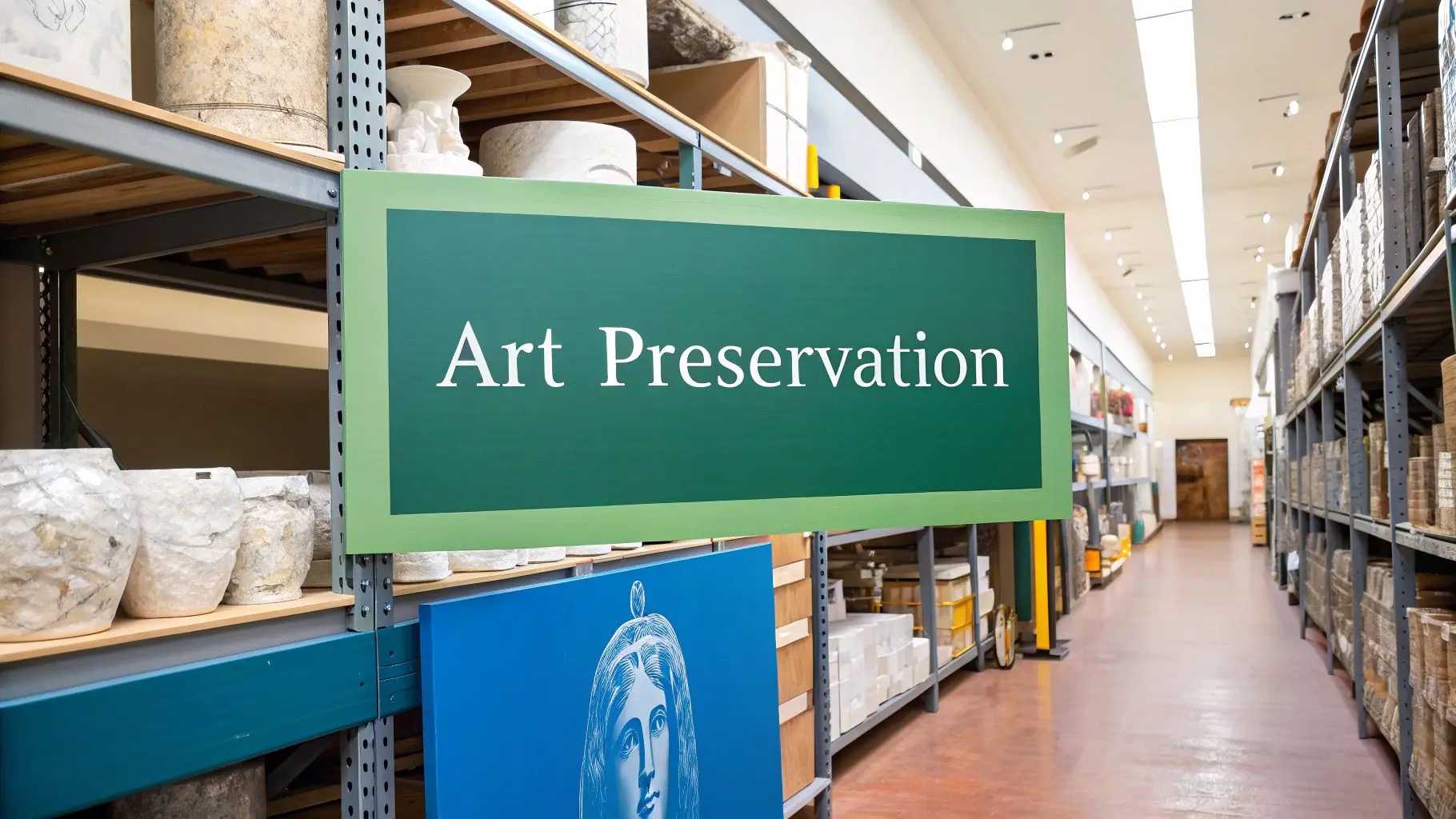
Creating the Perfect Storage Environment
Art storage requires specific conditions to preserve pieces long-term. Like taking care of a rare orchid, artwork needs the right environment to stay in perfect condition. When properly controlled, temperature, humidity, and air quality work together to protect your pieces from damage.
The Impact of Temperature and Humidity
When temperature shifts up and down, artwork materials respond by expanding and contracting. This movement often leads to cracks, warping, and structural weakness. High moisture levels breed mold, while dry conditions make materials brittle and fragile. The ideal conditions for most artwork are:
- Temperature: 18-24°C (64-75°F)
- Relative humidity: 40-55%
A notable case from 2003 shows the importance of stable conditions - twenty valuable pieces, including a Georges Braque lithograph, suffered damage from poor temperature and humidity control. Learn more about proper art storage conditions here: Considerations When Storing and Archiving Delicate Artworks
Air Quality Considerations
Clean air plays a key role in keeping artwork pristine. Dust, pollution, and certain gases can stain, corrode, and harm pieces over time. Good ventilation and filtration are must-haves for any art storage space. Using air purifiers with HEPA filters helps remove harmful particles, while regular dusting prevents buildup on surfaces.

Creating Optimal Storage at Home
You can create good art storage conditions without a dedicated room. Skip areas like attics, basements, and garages where temperature and humidity swing widely. Instead, choose interior closets away from outside walls and direct sun. For valuable pieces, consider a climate-controlled unit from Endless Storage, which maintains ideal conditions year-round.
Monitoring and Maintaining Your Environment
Keeping perfect storage conditions requires regular checks. Use basic tools like hygrometers for humidity and thermometers for temperature readings. Check these often and adjust your climate control as needed. Watch for signs of pests or mold and fix any issues quickly. These simple steps help protect your art's beauty and value for future generations.
Mastering Storage Techniques for Different Art Mediums
Different types of artwork require different storage methods, much like how various plants need specific care to grow. Understanding the right storage approach for each medium helps prevent damage and maintain the artwork's condition over time. Here's how to properly store and protect different types of art.
Paintings: Shielding from the Elements
Paintings need careful protection from environmental factors that can cause damage. Canvas works are especially sensitive to changes in temperature and humidity that can lead to stretching, shrinking, or paint damage. To protect paintings properly:
- Wrap them in polyethylene or Mylar sheeting for visibility while protecting
- Use HTS frames with polyethylene sealing for larger pieces
- Store upright with space between each piece
- Keep away from direct sunlight and heat sources
- Plan careful handling procedures to prevent physical damage
Learn more about artwork preservation
Sculptures: Support and Stability
Three-dimensional artwork presents unique storage challenges based on the materials used. Bronze, marble, and wooden sculptures each need specific care approaches:
- Use custom-fitted crates or padded supports for delicate pieces
- Get proper dollies rated for heavier sculptures
- Control temperature and humidity based on the material
- Keep wooden sculptures in stable humidity to prevent warping
- Store metal pieces in dry conditions to prevent corrosion
Prints and Works on Paper: Archival Protection
Paper-based artwork requires extra attention due to its delicate nature. These pieces can easily suffer from light damage, moisture issues, and pest problems. Key storage needs include:
- Using acid-free mats, backing boards, and folders
- Storing flat in archival boxes or portfolios
- Limiting exposure to light
- Maintaining cool, dry conditions
- Regular checking for any signs of deterioration

Mixed Media: Addressing Diverse Needs
Mixed media pieces combine multiple materials, requiring careful consideration of each component's needs. A piece might include paint, paper, fabric, and found objects - each needing specific care. Consider these tips:
- Assess each material individually
- Use acid-free tissue paper for textile elements
- Choose breathable containers when needed
- Check regularly for signs of deterioration
- Adjust storage methods based on the most sensitive materials
Protecting Works on Paper: Essential Preservation Strategies
Artwork on paper requires extra attention and care in storage. Drawings, prints, and photographs can easily become damaged from the environment and mishandling. Taking the right precautions helps ensure these delicate pieces stay preserved for years to come.
Environmental Control for Paper Art
Temperature and humidity control make a huge difference in protecting paper-based art. Paper naturally absorbs and releases moisture from the air - a property called hygroscopic. This can cause the paper to expand and contract, leading to warping and cracking over time. The best storage conditions maintain a steady temperature under 70°F (21.1°C) with 30-50% relative humidity. Learn more from Paper Storage Best Practices. Keep artwork away from direct light to prevent fading, especially for watercolors and photos.
Proper Storage Materials
Using the right storage supplies helps prevent damage. Acid-free mats, backing boards, and boxes provide essential protection. Regular cardboard contains acids that can ruin artwork - avoid using it for storage. Skip plastic wrap too, since it traps moisture that can lead to mold. Instead, use archival-quality polyester sleeves designed specifically for artwork storage.
Handling and Organization
Simple handling practices help avoid accidental damage. Always wash your hands first to keep oils and dirt off the artwork. Use a sturdy backing board when moving pieces to prevent bending. Set up a clear organization system - you might sort by artist, date, or type of artwork. Take photos and keep detailed records to track your collection's condition over time.
Archival Storage Options
Several storage methods work well for paper artwork. Archival boxes safely hold multiple pieces. Portfolios with acid-free sleeves work great for smaller collections. For valuable artwork or larger sets, consider flat files or solander boxes that provide extra protection from environmental factors and pests. Professional art storage services offer climate-controlled spaces and easy access - perfect for high-value pieces. Following these guidelines helps preserve paper artwork for future generations to enjoy.
Building Effective Collection Management Systems

Managing an art collection requires careful organization and attention to detail to protect and track each piece properly. A well-designed system helps prevent disarray while ensuring artworks remain safe, properly documented, and easy to locate when needed.
Simple Inventory Systems
Start with a basic inventory to organize your collection. Document each artwork's key details - title, artist, dimensions, medium, and current condition. This creates a clear record of your collection and helps identify which pieces need special care.
- Create spreadsheets that you can easily update
- Take clear photos of each piece
- Check and update records monthly
Utilizing Digital Management Tools
Modern digital tools make it simpler to handle growing collections. Most software includes features for monitoring artwork condition, tracking loans, and mapping storage locations. Cloud storage systems give you access to your records from anywhere while keeping the data secure.
| Feature | Benefit |
|---|---|
| Condition Reports | Track artwork health and maintenance |
| Location Tracking | Know exact placement of each piece |
| Data Backup | Protects information against loss |
Comprehensive Documentation Practices
Good documentation forms the foundation of collection management. Keep detailed condition reports for each piece, noting any changes over time. This helps ensure you spot and address conservation needs quickly.
Learning from Leading Institutions
While major galleries employ full teams for collection management, their methods can work for smaller collections too. Museums focus on thorough documentation, regular checks, and systematic reviews. Adapting these basic practices benefits collections of any size.
Tailoring Systems to Your Needs
Each art collection has unique requirements, so adjust your management approach accordingly. Whether managing a handful of pieces or hundreds, using solid organizational principles helps keep your artwork safe and well-preserved.
Endless Storage offers modern solutions with flexible, climate-controlled spaces perfect for maintaining these systems. Their storage options adapt to fit your collection's specific needs.
Professional Storage Solutions for Every Space
Smart art storage goes beyond just finding places to put things - it's about creating a practical system where you can both protect and easily access your pieces. Having the right storage setup matters whether you're working with a dedicated art room or just a small corner. Let's explore how to store artwork effectively while making the most of your space.
Optimizing Storage Areas for Maximum Protection
Smart galleries focus heavily on storage methods that keep their art collections safe and well-organized. High-density shelving and mobile storage units help pack more art into less space while keeping everything within easy reach. For instance, sliding shelf systems let you store more artwork in a compact way, while still being able to access individual pieces without moving others.
Setting up specific zones for different types of art helps create natural order in your storage area. Picture having all your paintings in one section and sculptures in another. This approach not only protects your pieces but also makes finding and retrieving specific works much simpler.
Space-Saving Techniques for Art Storage
You can set up effective art storage even in small spaces without risking damage to your pieces. Wall-mounted racks and vertical hanging systems work well for both displaying and storing framed pieces, which helps save floor space. Think of how libraries store books vertically - the same principle works great for artwork too.
Using clear storage containers for smaller items lets you spot what you need right away without having to dig through boxes. When you combine these containers with good labeling, even a small storage space can become remarkably organized and functional.
Exploring Storage Equipment Options
You'll find storage equipment choices for every budget, from high-end to cost-effective solutions. While museum-grade storage systems offer top-level protection, they can be expensive. More budget-friendly options like strong metal shelving and acid-free storage boxes can still provide excellent protection for your art.
When picking storage furniture, focus on materials that won't harm your artwork. Stay away from wooden materials that might release damaging chemicals. Instead, choose powder-coated steel or similar neutral materials. Using the right archival materials like acid-free boxes and tissue paper is key for protecting delicate pieces, especially works on paper. For those short on space, services like Endless Storage offer climate-controlled storage options that can help protect your collection without needing a dedicated storage room.
Maximizing Space and Maintaining Proper Care
Good art storage combines smart use of space with proper care standards. Making full use of vertical space, choosing compact furniture, and keeping similar items together helps create better organization. It's like organizing a kitchen - using vertical space, clear containers, and grouping similar items together helps make the most of what you have.
Remember that proper storage helps maintain your collection's value and ensures it lasts longer. By choosing the right storage solutions and staying organized, you'll keep your artwork safe and accessible for years to come.
Maintaining Your Collection for the Long Term

Taking care of stored artwork requires ongoing attention, much like tending to a garden. By developing good maintenance habits early on, you can keep your collection in great shape for years to come. Let's explore practical ways to preserve your artwork properly.
Establishing Effective Inspection Routines
Regular checks help catch problems before they become serious - similar to how routine car maintenance prevents major repairs down the road. Major museums and galleries follow strict schedules to monitor their stored pieces and track any condition changes.
- Frequency: Schedule checks every 3-6 months, depending on your local weather and art types
- Checklist: Create a simple checklist covering pests, mold spots, and climate readings
- Documentation: Take photos and notes during each check to track changes over time - this helps with insurance claims and conservation work
Cleaning Stored Artwork: A Gentle Approach
Regular cleaning helps protect art from dust, dirt, and pests. However, you need to be very careful with cleaning methods since harsh products can damage artwork permanently.
- Dusting: Use only soft brushes or microfiber cloths on frames and covers
- Surface Cleaning: Ask an art expert before deep cleaning - they know which methods work best for different materials
- Pest Control: Watch for pest signs and use safe deterrents like cedar blocks, especially around wooden frames or fabric pieces
Adapting and Updating Your Storage System
Your storage setup should grow along with your collection. Whether you're adding new pieces or moving to a new space, you may need to adjust how you store things.
- Expanding Storage: Choose storage units you can add to later, like stackable boxes or adjustable shelves
- Relocation: Use climate-controlled moving services and professional art handlers when transporting pieces
- Re-evaluation: Check if your storage methods still work well as your collection grows
When to Seek Professional Conservation Assistance
It's important to know when you need expert help. If you spot mold, serious damage, or unusual wear, contact an art conservator right away. They have the right tools and knowledge to handle complex repairs safely.
- Assessment: Get expert opinions on damage and repair options
- Specialized Cleaning: Let professionals handle deep cleaning jobs
- Restoration: Trust experts to fix and stabilize damaged pieces
Good art storage needs constant care and attention. Following these guidelines helps protect your investment and keeps your collection safe for future generations. For reliable, temperature-controlled storage options that make art storage easier, check out Endless Storage. Their facilities offer secure protection for your valuable pieces.