
Does Renters Insurance Cover Storage Units? Coverage, Limits, and Claims
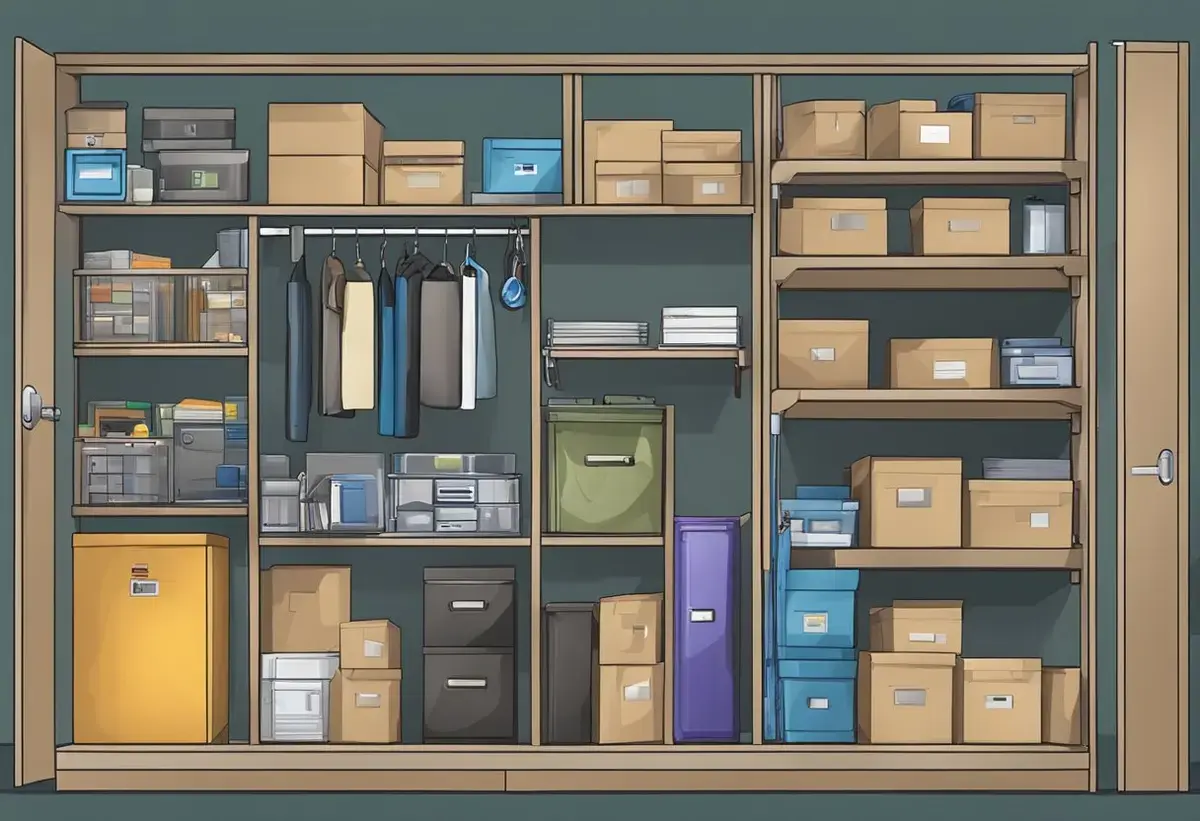
Usually, renters insurance can cover belongings kept in a storage unit—but the amount is often lower than the coverage for belongings kept at home. Many policies treat a storage unit as “off-premises” or “away from home” storage. That means a covered loss, such as theft or fire, may be covered, subject to the policy’s limit, deductible, exclusions, and special limits for valuables.
The number to check first is the off-premises personal-property limit. A common example is 10% of the personal-property coverage on the policy, but that is not a universal rule. The insurer’s policy documents control.
The quick answer: check the off-premises limit
Start with the declarations page, then read the personal-property and off-premises coverage sections of the policy. Ask the insurer how the limit applies to the specific storage arrangement before moving expensive belongings.
| Personal-property limit on the policy | Example 10% off-premises limit | What that could mean for storage |
|---|---|---|
| $20,000 | $2,000 | Up to $2,000 may be available for a covered loss away from home, before the deductible. |
| $30,000 | $3,000 | Items worth more than $3,000 may need additional protection. |
| $50,000 | $5,000 | High-value categories can still have their own lower limits. |
These are illustrations, not coverage promises. Some policies use a different percentage, a fixed dollar amount, or a different rule altogether.
What renters insurance may cover in a storage unit
When coverage extends to belongings away from home, it commonly applies only when a named or covered event causes the loss. Depending on the policy, that can include:
- Theft: belongings are stolen from the storage location.
- Fire or smoke: a fire damages stored personal property.
- Vandalism: someone intentionally damages the contents.
- Some sudden accidental damage: only if the policy lists the event as covered.
Coverage is not automatic just because an item is in storage. The loss must fit the policy, the item must be owned by the insured, and the claim is still reduced by the deductible. Actual-cash-value policies may also subtract depreciation, while replacement-cost coverage can pay differently. Confirm which version applies before filing a claim.
Common exclusions and limits to review
Storage can expose gaps that are easy to miss. Use this checklist before relying on a renters policy:
- Flood and earthquake: these are commonly excluded from a standard renters policy unless separate coverage applies.
- Mold, pests, and gradual damage: damage from neglect, humidity, insects, rodents, or wear may not be covered.
- High-value items: jewelry, watches, art, collectibles, cash, firearms, and some electronics can have special sublimits.
- Business property: work inventory or equipment may have a separate, lower limit—or no coverage in storage.
- Unexplained loss: an item that simply cannot be found is not always a covered claim.
- Storage-provider requirements: a facility can require proof of insurance or offer its own insurance product. That does not change the terms of the renters policy.
Make a short inventory before moving anything: what is in each box, its approximate value, the purchase date, and photos or receipts where available. A box-by-box list makes it easier to compare the value in storage with the policy limit.
How to decide whether the coverage is enough
Add up the replacement value of what will be stored, then compare that number with the off-premises limit and the special limits for valuables. If a $30,000 renters policy has a 10% storage limit, the working amount could be $3,000—not $30,000. If the stored items are worth more, ask the insurer about an endorsement or scheduled personal-property coverage.
Also confirm whether the policy covers replacement cost or actual cash value. A five-year-old television and a new television do not have the same actual cash value. That distinction can change the claim payment even when the item is covered.
What to do after theft or damage
- Keep evidence. Take photos and video of the unit, lock, boxes, and damaged property before moving or discarding anything.
- Notify the storage provider. Ask for an incident report and preserve any access or security records they can provide.
- Report theft promptly. File a police report when theft or vandalism is involved and keep the report number.
- Make an itemized list. Include each item, estimated value, purchase date, receipts, photos, and serial numbers if available.
- Contact the insurer. Start the claim as soon as practical, provide the documents requested, and keep copies of every submission.
- Do not dispose of damaged property too soon. The insurer may need to inspect it or review photos first.
Storage that comes to you
Endless Storage collects boxes from the door, stores them in a climate-controlled facility, and brings them back within 48 hours. Storage starts at $2.99 per box per month. Before storing valuables, confirm the insurance terms that apply to the specific items and choose coverage that matches their value.
See how much box storage could save or review Endless Storage pricing.
Frequently asked questions
Does renters insurance cover items in a storage unit?
Often, yes. Many renters policies extend personal-property coverage away from home to a storage unit when a covered loss, such as theft or fire, occurs. The policy wording, covered cause of loss, deductible, and off-premises limit decide the actual payout.
How much renters insurance coverage applies to a storage unit?
A common limit is 10% of the policy personal-property limit, but the limit varies by insurer and policy. For example, a $30,000 personal-property limit could leave $3,000 available for covered property stored away from home. Read the declarations page and policy before relying on that amount.
What is usually not covered in a storage unit?
Standard renters policies commonly exclude flood and earthquake damage unless separate coverage applies. They can also limit certain valuables, such as jewelry, collectibles, cash, or firearms. Wear and tear, pests, mold, and unexplained loss may also be excluded depending on the policy.
Do I need separate insurance for a storage unit?
It depends on the value of the items and the off-premises limit in the renters policy. If the limit or special-item limits are too low, ask the insurer whether an endorsement, scheduled personal-property coverage, or separate storage insurance is available.
What should I do if property is stolen or damaged in storage?
Protect the property from further loss, notify the storage provider, report theft to police when appropriate, photograph the damage, make an itemized list, and contact the insurer promptly. Keep receipts, photos, inventory records, and all communications.