
Clothes Storage Ideas: 10 Ways to Make More Closet Space
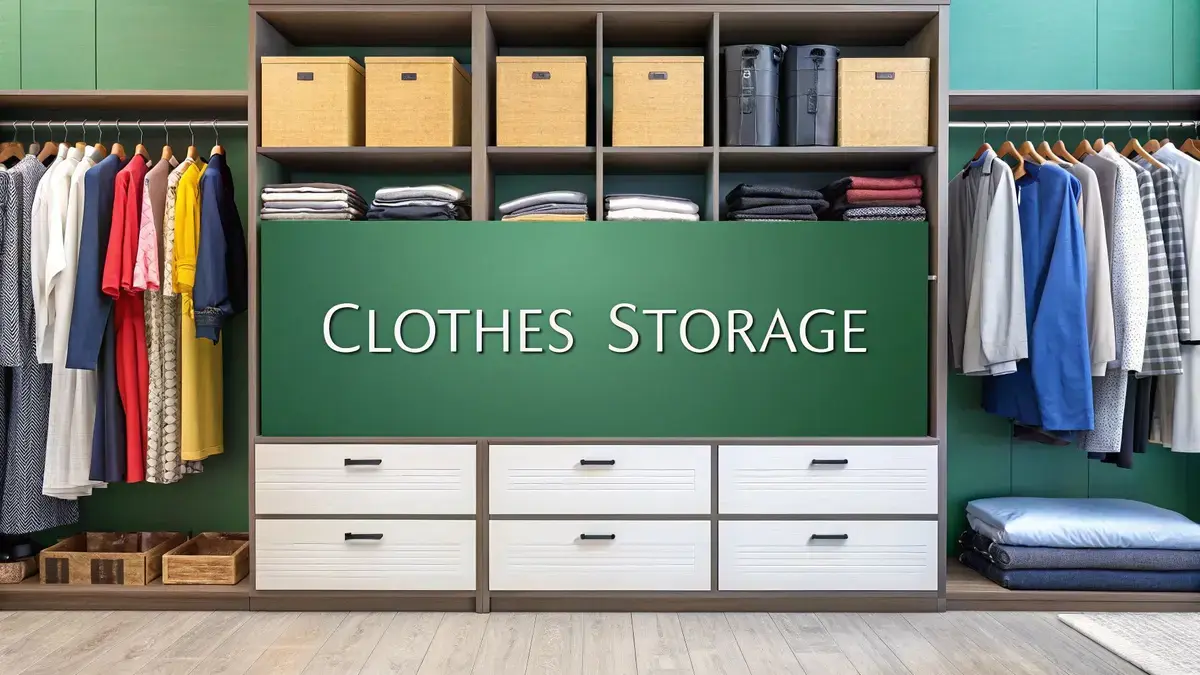
Good clothes storage starts with fewer things competing for the same closet. Keep the clothes you wear now within reach, pack the rest clean and labeled, and use the empty space deliberately. These 10 clothes storage ideas work in small closets, apartments, and shared homes without requiring a renovation.
For seasonal clothes that do not fit at home, Endless Storage collects packed boxes from your door and returns a requested box within 48 hours. Storage starts at $2.99 per box per month, with climate-controlled storage and $100 of coverage per box included. Collection and return are quoted before booking, so the cost is clear.
1. Start with a clothes edit, not another organizer
Storage works better when it holds clothes you actually plan to wear. Pull everything out by category: everyday clothes, occasion wear, seasonal items, donate, sell, and recycle. If an item has not fit, been worn, or been useful for a year, give it a decision instead of moving it to the back of the closet.
Keep sentimental clothing in one labeled box. That preserves it without letting it take over everyday space.
2. Store only the current season in the closet
A closet feels smaller when winter coats, summer dresses, and everyday clothes all share the same rail. Rotate by season: keep the clothes needed for the next few months at home and pack the rest.
- Wash or dry-clean items before storing them.
- Make sure every item is fully dry.
- Group boxes by season and category, such as “winter sweaters” or “summer shoes.”
- Label the outside of every box with the contents.
Need more detail on packing? Read how to store clothes long term.
3. Use the full height of the closet
Most closets waste the space below short hanging clothes and above the top shelf. Add a second hanging rod for shirts, skirts, and folded pants. Use the upper shelf for clearly labeled bins with items that are not part of the weekly routine.
Keep long coats and dresses together on one side. That prevents a second rod from blocking them and makes the closet easier to scan.
4. Switch to slim, matching hangers
Bulky mixed hangers use more rail space than most people expect. A matching set of slim hangers can make a crowded closet easier to use and keep clothes from slipping into a tangled row.
Use sturdy hangers for coats and structured jackets. Reserve thinner non-slip hangers for shirts, dresses, and lightweight items.
5. Fold bulky clothes instead of hanging them
Sweaters, heavy knits, and stretch fabrics can lose shape on a hanger. Fold them and store them in shallow bins, shelf dividers, or drawers. Place heavier pieces at the bottom of each stack and avoid piles so tall that they collapse when one item is removed.
File-folding T-shirts, leggings, and activewear makes each item visible. It also reduces the need to dig through a drawer for one shirt.
6. Use under-bed space for occasional clothes
Under-bed storage is useful for clothes that are needed a few times a year: formalwear, extra bedding, swimwear in winter, or winter accessories in summer. Measure the clearance before buying containers and choose low bins that slide out easily.
Use containers with lids to reduce dust. Add a label on the side facing out so the right box is easy to find.
7. Use vacuum bags selectively
Vacuum bags can reduce the room taken by clean, dry puffer jackets, blankets, and durable seasonal clothes. They are not right for every fabric. Delicate wool, down, leather, and structured garments can be damaged by long periods of tight compression.
Do not overfill the bags, and store them away from heat and moisture. See the best vacuum storage bags guide before choosing a size or material.
8. Give accessories their own small zones
Shoes, belts, scarves, and bags create clutter when they are left on closet shelves. Use one basket, clear bin, or drawer section for each group. Over-the-door hooks and shallow wall shelves can help when floor space is limited.
Store shoes clean and dry. Stuff soft boots or bags with paper so they keep their shape.
9. Keep a simple box inventory
A short inventory prevents a closet reset from becoming a scavenger hunt. Write the box name and a few contents in a phone note or spreadsheet. Update it when an item moves in or out.
For example, “Box 3: wool sweaters, ski base layers, gloves” is more useful than “winter clothes.” The better the label, the less often every box needs to be opened.
10. Move the long-term overflow out of the apartment
Some clothes do not belong in the everyday closet, but they do not need to be thrown away. That can include seasonal outerwear, baby clothes being saved for a sibling, occasion wear, or items waiting for a move.
Endless Storage is built for this kind of box-sized overflow. Pack and label a box, arrange collection from your door, and request it back when needed. It is a practical alternative to paying for an entire storage unit when the load is mostly boxes.
A simple clothes storage plan
- Keep the current season in the closet.
- Donate, sell, or recycle clothes that no longer earn their space.
- Fold heavy knits and use hanging space for items that need it.
- Label every seasonal box by its actual contents.
- Move long-term overflow out of the apartment if it is taking over daily space.
The goal is not to own a perfect closet. It is to make the clothes needed this week easy to find, while keeping the rest clean, protected, and out of the way.
Frequently asked questions
What is the best way to store clothes long term?
Clean and dry every item first, then sort by season and label each box clearly. Keep clothes in a dry, climate-controlled place and avoid tightly compressing delicate fabrics for long periods.
How can I make more room in a small closet?
Remove clothes that are no longer worn, add a second hanging level for short items, use slim hangers, and store the off-season somewhere else.
Are vacuum storage bags good for clothes?
They are useful for clean, dry, durable items such as puffer jackets and bedding. Avoid using them for delicate wool, down, leather, or structured garments over a long period.
How do I store seasonal clothes without filling my apartment?
Keep the current season at home and pack the other season in labeled boxes. Use under-bed space for occasional items or a box-storage service for clothes that will not be needed for months.