Decluttering your closet is a simple, but not always easy, process. It all comes down to emptying everything out, sorting your items into four key categories (we'll get to those in a bit), and then thoughtfully putting back only what belongs. This turns a task that feels huge and stressful into a project you can actually manage, leaving you with a closet that feels functional and calm.
Confronting Your Closet Chaos
You know the feeling. You swing open your closet doors, only to be hit with a wave of stress. The daily scavenger hunt for a decent outfit begins, ending with that all-too-familiar thought: "I have nothing to wear," despite staring at a mountain of clothes. This isn't just a minor annoyance; it's a daily drain on your mental energy.
This guide isn’t about just finding more space. It’s about introducing a simple, actionable system to get your wardrobe under control. Once you understand the why behind the clutter, you’ll feel more motivated to start a process that’s about so much more than just tidying up.
The Real Cost of Clutter
A disorganized closet can be a major source of frustration first thing in the morning. Research backs this up, highlighting the emotional toll that clutter takes and how it turns the simple act of getting dressed into a daily battle. According to a survey by OnePoll, 25% of women describe their closets as disorganized, and a shocking 10% report feeling depressed every single time they open their closet doors.
That constant, low-level stress saps your energy and wastes your time, making your mornings way harder than they need to be. Taking back control of this space is really about reclaiming your peace of mind.
Moving From Overwhelmed to Action
The secret to getting started is realizing that decluttering isn't about achieving perfection—it’s about making progress. Before you even touch a single hanger, it can be helpful to review some general tips to declutter your home to get into the right mindset for organizing.
The goal is to create a wardrobe that serves your current lifestyle, not one that houses relics of the past or aspirational purchases you've never worn. It’s about making your closet work for you, not the other way around.
If you're not even sure where to begin or how big your clutter problem really is, a little objective feedback can help. Understanding the scale of the project helps you prepare mentally and set aside the right amount of time. You can get a clearer picture with our free Clutter Assessment Calculator to see exactly where you stand. Sometimes, that first step is all the motivation you need to finally tackle the mess.
A Practical Blueprint for Sorting Your Clothes
Alright, you’ve got your game face on. Now for the most hands-on part of this whole adventure: actually sorting through the mountain of clothes. This is where the magic happens, transforming that overwhelming pile into a wardrobe that actually works for you.
The secret here is to sidestep decision fatigue. Instead of one giant, intimidating "get rid of" pile, we're going to get a little more strategic. Grab some boxes, bins, or even just clear some floor space for four distinct zones: Keep, Donate/Sell, Store, and Discard. This approach breaks the process down into smaller, less daunting choices, so you can decide the fate of each item without the usual guilt and second-guessing.
The Four-Category Sorting System
Think of this system as your roadmap. As you pick up each piece of clothing, you'll ask yourself a few honest questions and put it into one of these categories.
- Keep: These are the slam dunks. The items you genuinely love, wear all the time, and that fit your life right now. Don't hang onto something just because it was pricey or might fit again someday. Does it make you feel great when you wear it? If yes, it’s a keeper.
- Donate/Sell: This pile is for all the perfectly good stuff that just doesn't serve you anymore. It's too nice to toss, but it’s just taking up valuable real estate in your closet.
- Store: Consider this your "not right now" category. It's the perfect spot for seasonal items (like that bulky parka in July) or truly sentimental pieces you just can't part with but don't actually wear.
- Discard: This one is for items that have lived a full life. We're talking stained, torn, or hopelessly worn-out clothes that aren't in any condition to be passed on.
This decision tree can be a lifesaver when you're on the fence. It gives you a clear, logical path for every single item.

Following a flowchart like this takes the emotion out of it and helps you move from the "undecided" pile to a final, confident decision.
Navigating the Donate or Sell Dilemma
Trying to figure out what's worth selling versus what should just be donated can be tricky. My rule of thumb? High-quality pieces from well-known brands, cool vintage finds, or anything with the tags still on usually have great resale potential. Your everyday basics or fast-fashion items are almost always better off in the donation bin.
If you're still stuck on making that call, we've put together a much more detailed guide on how to decide what to keep and what to sell. It’s packed with insights to help you make smart choices that are good for your wallet and your community.
The most important part of this process is being ruthlessly honest with yourself. This isn't just about cleaning up; it's about curating a collection of clothes that truly reflects and serves who you are today.
And remember, there's a good reason this feels so impactful. We typically only wear 20% of our clothes 80% of the time. That staggering statistic shows just how much prime real estate in our closets is taken up by stuff we barely touch. A decisive sorting system is your best tool for reclaiming all that wasted space.
Handling the "Store" and "Discard" Piles
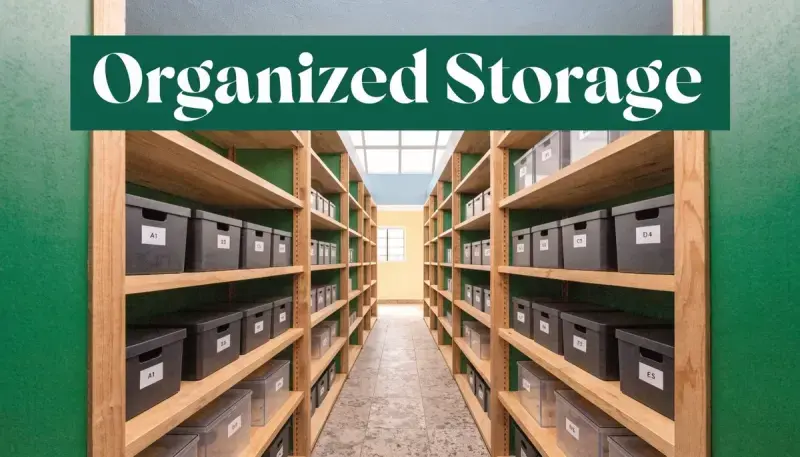
Your 'Store' pile is a secret weapon for creating instant breathing room. Bulky seasonal gear is the number one candidate here. By getting those items out of your primary closet, you immediately make space for the clothes you’re actually wearing now. This is where an off-site storage solution can be an absolute game-changer.
Finally, let's talk about the 'Discard' pile. Before you toss anything in the trash, do a quick search for local textile recycling programs. Many places accept worn-out clothing, keeping it out of landfills. It's a small final step that makes your decluttering effort responsible and even more rewarding.
Designing a Smarter Closet Layout

Now for the fun part. After all that hard work of sorting and purging, you get to rebuild your closet—but this time, with a real plan. This is about more than just putting things back; it’s about creating a system that makes getting dressed feel effortless and maybe even enjoyable. A thoughtful layout can turn a chaotic closet into a curated, functional wardrobe.
One of the easiest and most impactful changes you can make right away is swapping out mismatched, clunky hangers for a uniform set of slim, velvet ones. I’m not kidding—this one move can instantly free up to 30% more hanging space. It also gets rid of that visual noise and stops your silky tops from constantly sliding onto the floor. It's a small investment with a huge payoff.
This kind of strategic thinking is crucial because the problem usually isn't a lack of space. In fact, disorganization is behind 80% of household clutter. That statistic from OrganizedInteriors.com really puts things in perspective. It proves that a smart layout is far more important than just having a bigger closet.
Create Functional Closet Zones
Zoning is simply grouping similar items together to create a logical flow. Think of your closet as your own personal boutique. When you dedicate specific areas to different clothing categories, you’ll always know exactly where to find what you need. It completely cuts down on that frantic morning search for the right outfit.
A good place to start is by creating zones based on your life and daily activities. It’s a practical approach that stops you from having to dig past formal dresses just to find your gym shorts.
- Workwear Zone: All your office attire goes here. Group together blazers, trousers, blouses, and work-appropriate dresses so they're ready to go on busy mornings.
- Casual Wear Zone: This is for all your everyday staples—jeans, t-shirts, cozy sweaters, and weekend outfits.
- Activewear Zone: Keep your workout clothes, yoga pants, and sports gear in one easy-to-grab spot.
- Special Occasion Zone: Formal dresses, suits, and anything you wear less frequently should get their own dedicated section, keeping them safe and out of the way of your daily-use items.
This system makes your closet intuitive. When you need something for a specific purpose, you go straight to that zone, bypassing everything else. It’s a simple shift that makes your wardrobe work for you, not against you.
Maximize Every Inch of Space
With your zones established, it’s time to start thinking vertically. For folded items like sweaters, knits, and t-shirts, ditch the traditional stacking method. Instead, try file-folding—where items are folded into neat rectangles and stored upright in drawers or bins. This trick lets you see everything you own in a single glance. No more forgotten shirts buried at the bottom of a pile!
Don’t just organize your closet—design it. Your closet should be a reflection of how you live, making the daily ritual of getting dressed feel calm and effortless rather than stressful and rushed.
If you’re looking for more clever organizational hacks, check out our guide on how to maximize closet space with smart storage solutions. Trust me, putting even a few of these ideas into practice can completely transform your closet and bring a little more order to your daily routine.
Unlocking Space with Seasonal Storage
If your closet feels perpetually overstuffed, that "Store" pile you made is about to become your secret weapon. This isn't about getting rid of clothes you love; it's about a smart, seasonal rotation that opens up a surprising amount of prime real estate in your closet.
Think about it: instead of fighting with bulky winter coats in the middle of July or digging past swimsuits to find a sweater in January, you can create a closet that only holds what you're actually wearing right now.
This is hands-down one of the best ways to declutter without the pain of letting go. By temporarily moving out-of-season items, you instantly give your wardrobe breathing room. Your closet transforms from a chaotic storage unit into a curated, functional space, making your daily routine so much simpler.

Preparing Your Clothes for Hibernation
How you pack your clothes for storage matters. A lot. Just tossing them in a box is a recipe for musty smells, pests, or finding your favorite sweater with permanent creases. A little bit of prep work now saves a ton of heartache later.
First things first: everything needs to be clean. Even if an item looks clean, invisible body oils or tiny food particles can attract pests and cause stains to set in over time. Do a final load of laundry or a trip to the dry cleaner before packing anything away.
Next, you'll want to choose the right containers. Cardboard boxes are cheap and easy, but they’re not great for long-term storage since they don't protect against humidity or pests.
- Airtight Plastic Bins: These are fantastic for shielding clothes from moisture, dust, and insects. I always recommend clear bins so you can get a quick visual of what’s inside without having to unstack and open everything.
- Fabric Storage Bags: For natural fibers like wool or cashmere, breathable canvas or cotton bags are a great choice. They allow for better air circulation, which those materials love.
As you pack, don't cram things in. Gently fold or roll knitwear to keep it from stretching out. For really delicate items, using some acid-free tissue paper between pieces can prevent wrinkling. For a full deep dive, our guide on how to store seasonal clothes has all the details you’ll need.
Modern Solutions for Off-Site Storage
Of course, the biggest challenge for most people—especially if you're in an apartment or a smaller home—is finding where to put all these boxes. Attics can get dangerously hot in the summer, and basements are often damp. Both are bad news for your clothes. This is where modern storage has really stepped up.
By getting seasonal items out of sight, you're not just clearing physical space—you're reducing visual clutter and mental load. Your closet becomes a calm, organized space that only holds relevant, ready-to-wear options.
For city dwellers trying to make the most of limited space, services like Endless Storage make the whole process completely painless. With plans starting at $7.99 per box per month (for two or more boxes), they send free storage kits right to you, pick them up, store them in a climate-controlled facility, and bring them back whenever you need them—usually within 48 hours.
This completely sidesteps the hassle of renting a traditional self-storage unit. It turns seasonal rotation from a massive annual project into a simple, sustainable habit.
Building Habits for Lasting Organization
You’ve done the heavy lifting—sorting, organizing, and finally getting your closet to a place that feels calm and functional. High five! But now for the real challenge: keeping it that way.
The key is to ditch the "one-time project" mindset and embrace a simple, low-effort maintenance routine. Lasting organization isn’t about perfection. It’s about building a few easy habits that stop clutter from ever getting a foothold again.
Knowing how to declutter your closet is only half the battle. You also need to adopt a few ground rules to protect all that hard-earned space.
The One In, One Out Rule
If you only adopt one new habit, make it this one: the 'one in, one out' rule. It’s incredibly simple, but it’s a game-changer.
Every time you bring a new item of clothing home, an old one has to go. This single habit stops accumulation dead in its tracks and forces you to be way more intentional with your shopping.
Bought a new sweater? Awesome. Now, pick one you haven't reached for in a while to donate or sell. This creates a natural balance in your wardrobe, making sure your closet never gets overstuffed again.
Quick Weekly and Seasonal Resets
Massive decluttering sessions are draining. That’s why small, consistent efforts are so much more effective in the long run.
The 15-Minute Weekly Tidy: Dedicate just 15 minutes once a week—maybe Sunday evening—to a quick reset. Hang up the clothes that have made their way to "the chair," put shoes back on their racks, and straighten up your folded items. It’s a tiny investment of time that prevents small messes from snowballing.
The Twice-Yearly Swap: Keep up with the seasonal rotation we talked about earlier. Swapping your clothes twice a year not only keeps your closet relevant but also gives you a built-in moment to re-evaluate your wardrobe. It’s the perfect time to spot anything you didn't wear all season.
Maintaining an organized closet is less about discipline and more about creating systems that do the work for you. These small habits are the guardrails that keep your space tidy with minimal effort.
If you need a little extra motivation, remember that getting rid of clutter can slash 40% of your housework. That’s a powerful stat that shows how your efforts in the closet can benefit your entire home.
To make sure your new habits stick, dive into some expert guides on the best ways to organize your closet. And if you're feeling inspired to take on more, check out our guide on transforming your home with the ultimate decluttering challenge.
Your Closet Decluttering Questions Answered
Even the most straightforward decluttering plan can hit a few snags. What do you do with that bridesmaid dress you’ll never wear again but feel guilty tossing? How often do you really need to tackle this project? Let's get into the most common questions that pop up.
Think of this as your go-to guide for those moments you feel stuck. Knowing how to handle these little roadblocks makes the entire journey of clearing out your closet feel so much more manageable.
How Often Should I Declutter My Closet?
There's no single right answer, but a deep declutter once or twice a year is a great rule of thumb. The perfect time to do this is when you’re swapping out your seasonal clothing anyway. It’s a natural moment to reassess what you own and what you actually wore.
For day-to-day upkeep, a quick 15-minute tidy-up each week can work wonders. But the real game-changer is adopting the ‘one in, one out’ rule. Every time you buy something new, something old has to go. This simple habit prevents clutter from ever building back up, making your big decluttering sessions faster and way less painful.
What Do I Do with Sentimental Items I Never Wear?
We all have them. That lucky college sweatshirt, your grandmother's wedding dress, the t-shirt from a concert you'll never forget. These pieces are important, but they don’t belong in your everyday closet, taking up valuable real estate from the clothes you actually wear.
Create a dedicated ‘memory box’ or garment bag for these treasures. Storing them safely in a clean, dry place honors their importance and preserves the memories, all without sacrificing prime closet space for your functional wardrobe.
The Whole Process Feels Too Overwhelming. Where Do I Start?
The "all or nothing" approach is the number one reason people give up before they even start. So, don't try to tackle your entire closet at once. The key to beating that feeling of overwhelm is to start small. Seriously small.
Instead of pulling every last thing out, just pick one manageable category. It could be your shoes, your t-shirt collection, or even a single drawer. Set a timer for 30 minutes and focus only on that small area. Finishing one small task builds momentum and confidence, making the rest of the project feel much more achievable. It's all about making steady progress, not achieving perfection overnight.
Ready to make seasonal storage and decluttering completely effortless? With Endless Storage, you can reclaim your closet space without the hassle. We deliver free storage kits to your door, pick them up, and return your items within 48 hours whenever you need them. Find out how simple it can be to create the organized closet you deserve at https://www.endless-storage.com.
Frequently Asked Questions
Unveiling the Secrets to Effortless Storage
Endless Storage is available nationwide. You pick a plan, tell us where to pickup, and we'll send a UPS van to collect, whichever state you're in.
Your shipping label will be sent to your email within a few minutes, if not instantaneously. It can also be accessed through your customer profile.
Your box will be shipped to one of our climate controlled self storage facilities in our closest self storage facility. Our manager will accept your package, notify you that your box has been received, and securely stored. Only our managers will have access to Endless Storage boxes.
Email us at admin@endless-storage.com click to live chat with us, or send us a message below.
Never! We're committed to transparent pricing with no surprises. You'll lock in your rate with no hidden fees and no long-term contracts.
Fast access guaranteed! Your boxes will arrive at your doorstep within 48 hours of requesting them back. Need to check on delivery? We provide tracking information for complete peace of mind.
Totally flexible! Store month-to-month with no long-term commitment and cancel anytime.
Everything's online! Use your account dashboard to:
• Set up automatic monthly payments
• Request box returns
• Update your address
• Order additional boxes
• Track shipments
Your boxes are insured up to $100 each. Our customer service team will help you file any necessary claims and resolve issues quickly.
Don't worry – we'll email you right away if there's a payment issue. Your items stay safe, though you may have temporary service interruption or late fees until payment is resolved.
When you request our free storage kits, you'll have 30 days to send in your boxes to activate your 3 months of free storage. Think of it like starting a gym membership – your activation window begins when you receive your kits, and your full free trial begins once you send in your first box. During your free months, you'll experience our complete storage service at no cost.
Your 30-day activation window begins when you receive your storage kits. We'll send you an email confirmation when your kits are delivered, marking the start of your activation period.
If you haven't sent any boxes for storage within your 30-day activation window, your free trial will expire and we'll begin charging the regular monthly rate of $9.99 per box. This helps ensure our storage kits go to customers who are ready to use our service.
A box costs $9.99 per month to store (plus sales tax). This price includes free shipping for standard boxes under 50 lbs. and smaller than 16"x16"x16"
Log into your Endless Storage account, locate the box you would like returned, and simply click Return My Box.
Yes, each box stored with us is insured for up to $100 throughout transit as well as the duration of storage within our facilities.
Your box will be at your doorstep within 48 hours of you requesting it back.
Store 10+ boxes? We'll pick them up for free! After your purchase, we'll contact you to schedule a convenient pickup time and arrange UPS collection.
We trust UPS with all shipments, and every box includes $100 insurance coverage. You'll receive tracking information to monitor your items' journey.
Yes! Visit any of our locations by appointment. Just bring a photo ID matching your customer profile.
For everyone's safety, we can't store hazardous materials, firearms, or perishables. All items must fit within our standard boxes.
It's easy! Order your storage kit online, and we'll ship it to you within 1-2 business days. Your shipping labels will be emailed instantly and available in your account.
We're here to help! Email us at admin@endless-storage.com, use our live chat, or send us a message through your account.
To cancel your storage service with Endless Storage, please email your cancellation request to admin@endless-storage.com. Our team will process your request within 2 business days and confirm your cancellation via email.
We understand packing takes time. However, to maintain your free trial benefits, you'll need to send at least one box within the 30-day activation window. If you need more time, you can always start with one box to activate your trial and send the rest later. You can always reach out to admin@endless-storage.com if you have any issues or concerns.
When you request our free storage kits, you're starting a 30-day window to begin using our storage service.
To avoid any charges, simply send at least one box for storage within 30 days to activate your 3-month free trial. If you decide not to use our service and don't send any boxes within the 30-day window, a one-time $50 fee will apply to cover the costs of materials and shipping. This helps ensure our storage kits go to customers who are ready to use our service.
Think of it like reserving a hotel room – we're setting aside space and sending specialized packing materials for your use. The fee only applies if you request materials but don't begin storage, similar to a hotel's no-show charge.