Easy Storage Solutions for Small Spaces: A Renter's Guide
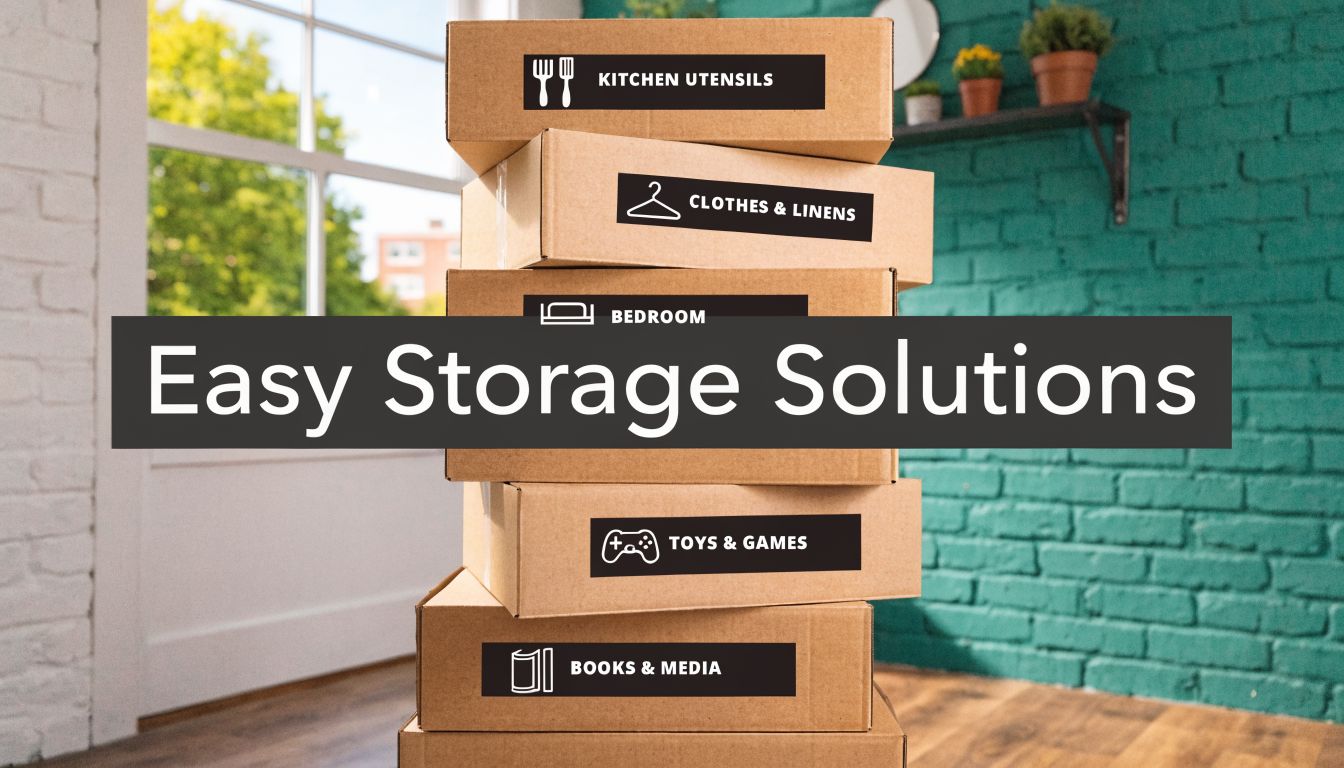
Your apartment probably looks organized in one corner and overwhelmed in the next. The chair holds laundry that isn’t dirty enough to wash but isn’t clean enough to put away. The entryway collects shoes, bags, and delivery boxes. Your closet is packed so tightly that pulling out one sweater drags three others with it.
That’s normal in a small rental. It’s not a personal failure, and it doesn’t mean you need to own less than everyone else. It means your home needs a better system than the ones built for larger spaces and permanent setups.
Most storage advice still assumes you can install shelves, drill into studs, or dedicate a garage wall to overflow. Renters don’t have those luxuries. Good easy storage solutions for a small apartment have to be flexible, damage-free, and realistic enough to survive everyday life.
The Reality of Living in a Small Space
A small apartment gets crowded in sneaky ways. One extra appliance on the counter. A spare blanket at the foot of the bed. Boots by the door because the closet is already full. None of it seems dramatic on its own. Together, it makes your home feel like it’s always asking you to move things around before you can relax.
Renters feel this pressure sharply because the usual fixes often aren’t available. You can’t always mount cabinets, add built-ins, or rework a closet. You’re trying to create order with temporary tools in a space that may not even have enough storage to begin with.
That’s why generic advice misses the mark. You don’t need a dream pantry makeover. You need a place for luggage, off-season coats, extra toiletries, paperwork, hobby supplies, and bedding without losing your dining chair, your floor, or your patience.
A 2025 Apartment List report found that 68% of urban renters in major U.S. markets struggle with insufficient storage, and a 2025 Clutter.com survey found that 52% of small-space dwellers would pay 20% more for hassle-free, remote storage according to this summary of renter storage challenges. Those numbers ring true because small-space living isn’t only about square footage. It’s about friction. Every item without a home creates another tiny decision in your day.
For a lot of renters, the goal shouldn’t be minimalist perfection. The goal is calm. A good system lets you find what you need, keep surfaces usable, and stop treating your apartment like a puzzle you have to solve every night. If you want a practical starting point for that reset, this guide to organizing small spaces for clutter-free living is a useful companion.
The Great Declutter Reclaiming Your Space Before You Pack
Decluttering works better when you stop asking, “Could I maybe use this someday?” and start asking, “Does this item deserve room in my home right now?” That shift matters in a small apartment. Space is limited, so every object competes with your comfort.

Use the four-box method without overthinking it
Set up four clearly labeled containers: Keep, Store, Donate, and Discard. Then work one micro-zone at a time. A single drawer is enough. One shelf is enough. Don’t pull everything from every room unless you have the energy to finish it.
The power of this method is that it forces a decision. “I’ll deal with it later” is how clutter survives for years. If something is useful but not useful in your daily apartment life, it probably belongs in Store, not in a kitchen cabinet or under your bed.
Here’s where people get stuck:
- “But I paid good money for it.” That doesn’t make it a good fit for your current home.
- “I might need it one day.” Maybe. But “one day” doesn’t deserve premium shelf space.
- “I don’t know where else it should go.” That’s a storage problem, not proof that it belongs in your living room.
Practical rule: Keep the items you use now, store the items you value but don’t need daily, and let go of the items that are only creating guilt.
Try the container concept
Pick a real physical limit and honor it. That’s the container concept. Your scarf collection fits in one bin. Your baking tools fit on one shelf. Your sentimental papers fit in one file box. The container becomes the boundary.
This works especially well for renters because it keeps categories from expanding into the rest of the apartment. If your nightstand drawer is full, the answer usually isn’t a second overflow pile on the floor. The answer is editing what lives in the drawer.
A few categories usually respond well to this approach:
- Bathroom backups that multiply under the sink
- Beauty products you tried once and never touched again
- Kitchen gadgets for tasks a knife already handles
- Office supplies scattered in tote bags and catch-all bowls
- Seasonal decor that spends most of the year getting in the way
Decide what earns in-home space
In a rental, prime storage should go to the things that support daily life. That means clothes in current rotation, cookware you use, linens you reach for, and work essentials you need without hassle.
Sentimental and seasonal items matter too, but they shouldn’t crowd out what you use every day. A winter coat in July is not a daily-life item. Neither is holiday decor in April or duplicate bedding for guests who visit twice a year.
If you need a steadier process, this step-by-step small apartment decluttering guide can help you move room by room without stalling out.
What works and what doesn’t
A few decluttering approaches consistently help in small homes.
- What works: Short sessions with a clear endpoint. Fifteen focused minutes beats an all-day marathon you abandon halfway through.
- What works: Grouping like with like. Seeing all your tote bags, candles, or chargers together makes excess obvious.
- What works: Making your “store” category intentional. Storage should support your home, not delay decisions forever.
What usually fails is “panic tidying.” Shoving everything into decorative baskets can make a room look better for a day, but hidden clutter is still clutter if you can’t retrieve anything easily.
You’re not trying to prove that you can live with less. You’re deciding what makes your home easier to live in.
Smart Packing Strategies for Maximum Efficiency
Once you’ve pared down what stays, packing becomes a systems job. Good packing isn’t only about protection. It’s about retrieval. If you can’t tell what’s in a box without opening three others, the system will break the first time you need one item quickly.
Pack by category, not by room alone
People often toss things into boxes based on whatever is nearby. That creates mixed boxes full of unrelated items, which are frustrating to unpack and worse to store.
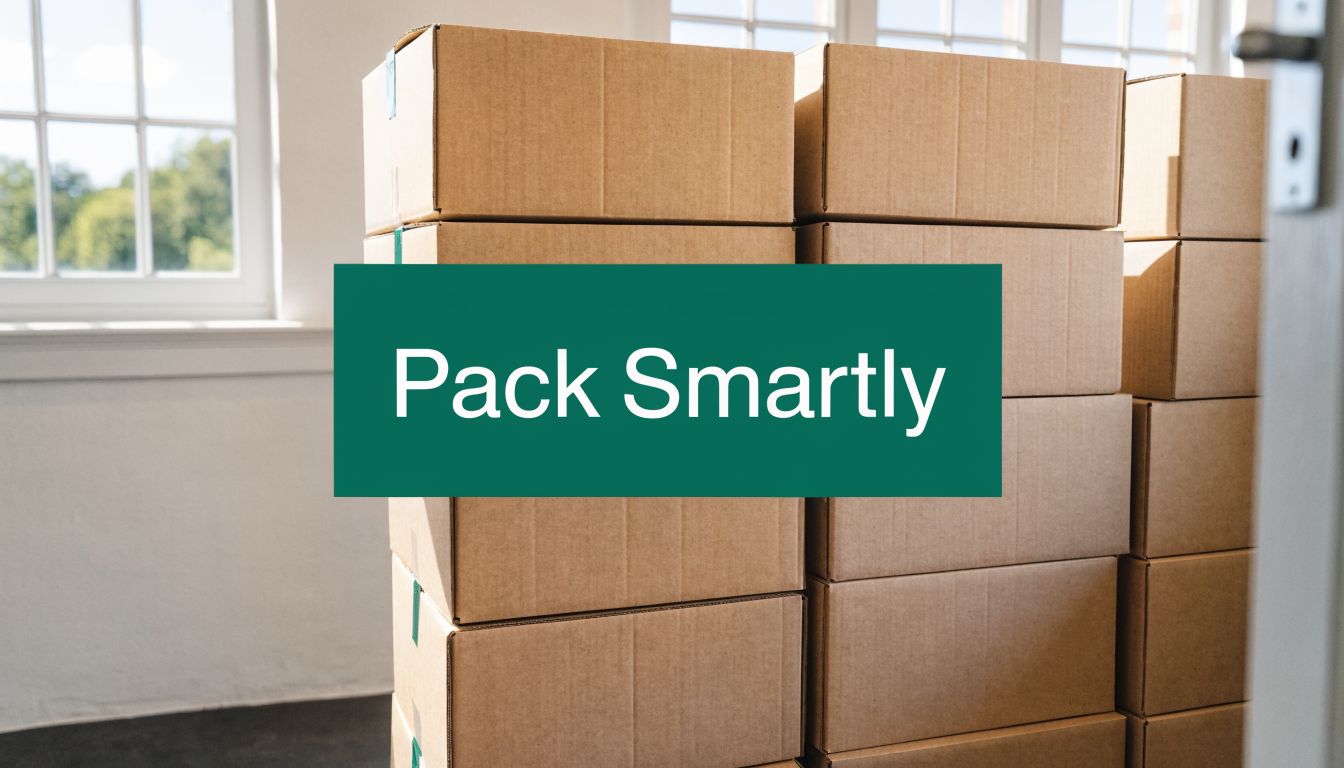
Pack by category first, then note the room. A box labeled “Bedroom” doesn’t help much. A box labeled “Bedroom 3. Winter scarves, gloves, knit hats” does.
Use a simple naming system like this:
- Room tag such as Bedroom, Hall, Kitchen, Office
- Box number such as 1, 2, 3
- Contents summary with specific items
- Access level marked Daily, Occasional, or Long-Term
That gives you labels like Hall 2. Extension cords, batteries, light bulbs. Occasional. Clear beats pretty every time.
Use soft goods as padding
You don’t always need specialty materials for every item. In small apartments, renters often already have useful packing supplies on hand. Dish towels can cushion plates. Socks can wrap glassware. Pillowcases can protect handbags. Reusable grocery bags can group loose items inside a larger box.
That said, don’t improvise with anything dirty, damp, or fragile itself. If an item is breakable and valuable, use proper packing paper or bubble wrap instead of hoping a sweatshirt will do the job.
For clothing, file-folding and rolling both save space. File-folding works well in bins because you can see everything at once. Rolling works better for duffels and smaller boxes. Bulky coats should be cleaned before storage, zipped or buttoned, and packed with enough breathing room that they don’t come out permanently crushed.
Build a simple inventory you’ll actually maintain
A packing system fails when the inventory lives only in your memory. You need one list that matches your labels. Notes app, spreadsheet, or paper notebook all work. The best system is the one you’ll update consistently.
Include these fields:
- Box code matching the outside label
- Main contents in plain language
- Fragile yes/no
- Stored date
- Priority for how likely you are to need it back soon
If you ever use a box-return service, this becomes even more useful because you can request a specific box instead of guessing. This guide on packing efficiently for a move is worth reviewing if you want a cleaner process from the start.
Common packing mistakes in small apartments
Packing problems usually come from three habits.
- Overfilling boxes: Heavy boxes are hard to move, easy to tear, and annoying to stack. Books especially should go in smaller containers.
- Using vague labels: “Misc.” is not a category. Neither is “Stuff.”
- Skipping first-use planning: Keep a small set of essentials accessible. Don’t bury your charger, medication, or everyday shoes inside long-term storage.
Label for your tired future self, not your energetic current self.
A good packing system turns clutter into managed inventory. That’s the difference between storing with confidence and creating a cardboard version of the same problem.
Mastering Your Home with Renter-Friendly Storage Hacks
The apartments that feel calm aren’t always bigger. They just use space more deliberately. In rentals, the winning moves are usually reversible ones. You want storage that adds capacity without adding repair costs when you move out.
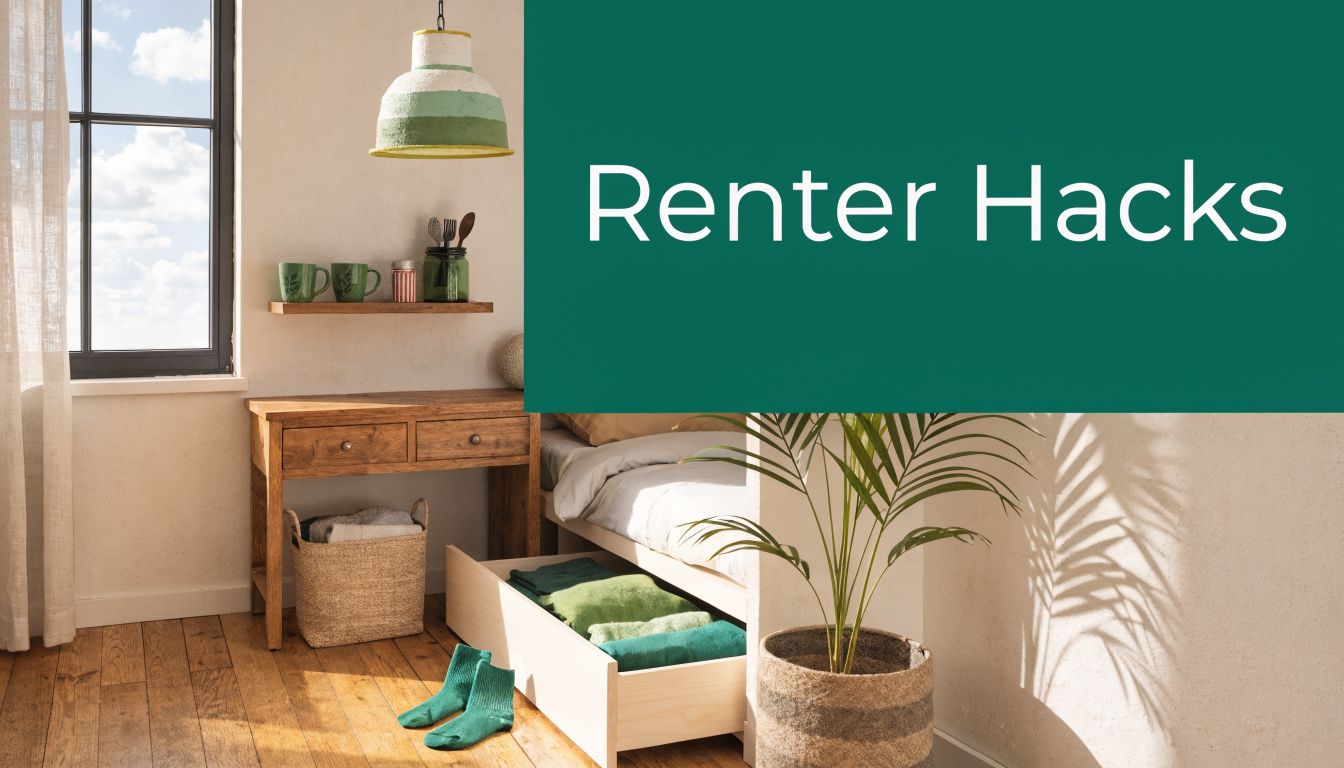
A bedroom is a good example. In many rentals, the closet is shallow, the dresser is undersized, and the bed frame wastes a huge footprint. That’s why under-bed storage earns its place so often. Low-profile bins work, but a more polished option can make the room function better every day. If you’re using a futon or compact bed setup, futon bed storage drawers can be a practical way to add concealed storage without modifying the room.
Entryway fixes that stop clutter at the door
The entryway becomes a dumping ground fast because it handles high-frequency items. Shoes, keys, mail, bags, umbrellas, pet gear. If there’s no landing zone, the floor becomes one.
A slim setup usually works better than bulky furniture:
- Over-the-door hooks for coats and everyday bags
- A narrow shoe cabinet or covered shoe bench to hide visual mess
- One tray or small bin for keys, sunglasses, and mail that needs action
- A foldable umbrella stand or tall basket tucked into a corner
The trick is limiting each category. If six pairs of shoes live by the door, that area will always look crowded. Keep only the pairs in active rotation there. The rest belong in closet storage or off-site rotation.
Use vertical space without drilling
Kitchens and bathrooms often need more layers, not more floor items. Tension rods, shelf risers, and freestanding carts solve a lot without damaging walls.
A few renter-safe upgrades I see work repeatedly:
- Tension rods under the sink to hang spray bottles and free the cabinet base
- Shelf risers in kitchen cabinets so mugs and plates don’t waste upper airspace
- Magnetic organizers on the fridge for spices, foil, or paper goods
- Rolling carts in awkward gaps beside the fridge, desk, or vanity
- Over-the-door organizers for pantry overflow, cleaning products, or accessories
These aren’t glamorous. They’re effective. And in a small apartment, effective matters more than matching bins.
If you want a visual walkthrough of space-saving ideas that work well in compact rooms, this clip is worth a watch.
Make furniture earn its footprint
A coffee table that only holds coffee is fine in a large home. In a small rental, that same footprint should ideally store something. Blankets, board games, cords, guest linens, or paperwork all need homes.
Look for pieces that perform two jobs:
| Furniture piece | Hidden use |
|---|---|
| Storage ottoman | Holds throws, workout gear, or extra pillows |
| Lift-top coffee table | Stores tech accessories, notebooks, and remotes |
| Bench with storage | Works in an entryway, at the foot of the bed, or under a window |
| Nesting tables | Replace one bulky side table and separate only when needed |
For more examples specific to rentals, this roundup of genius small apartment storage solutions is a practical resource.
Small-space storage works best when each item has a repeatable home, not just a temporary hiding place.
Introducing Flexible Storage with Endless Storage
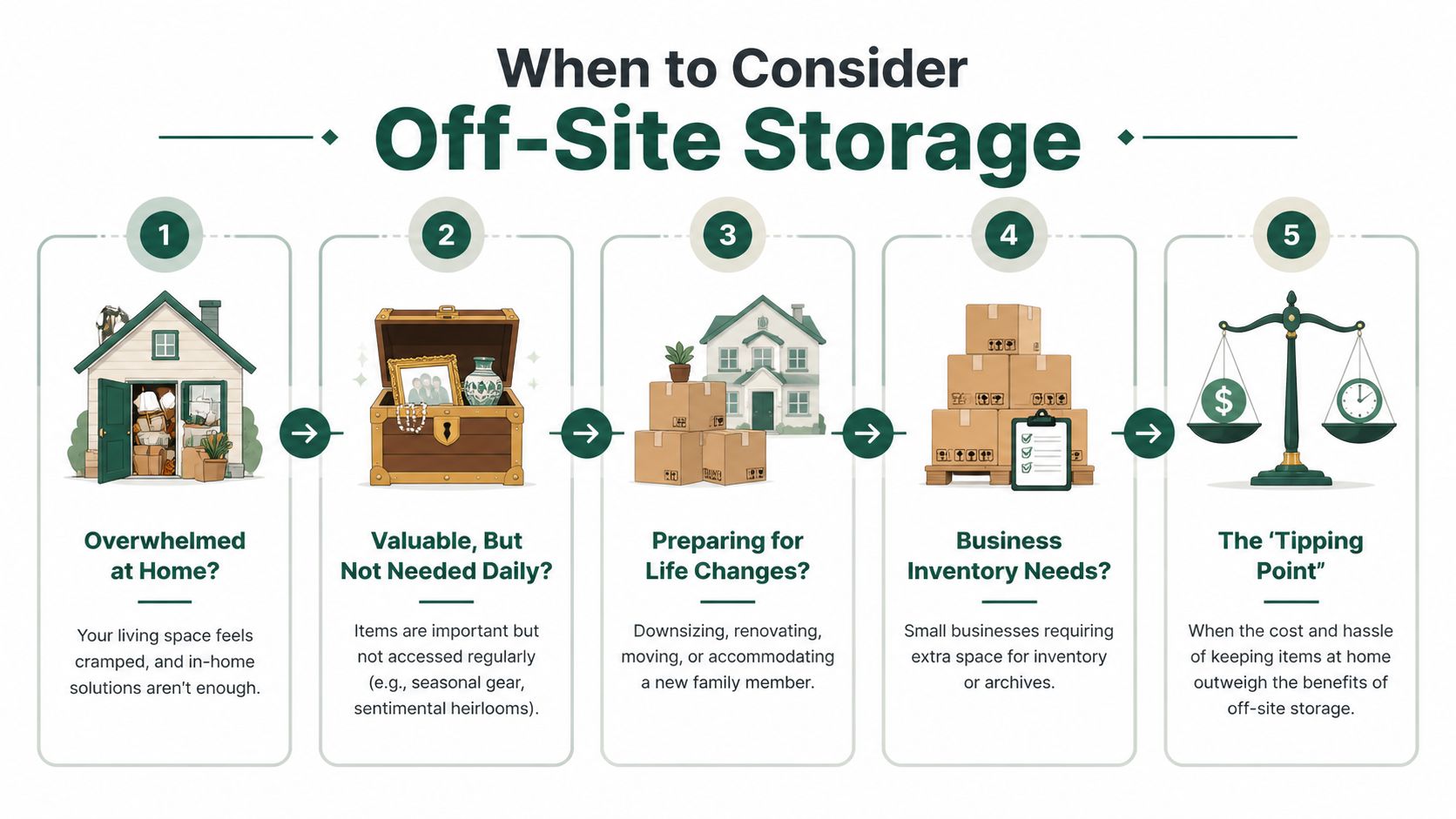
Some apartments hit a tipping point. You’ve decluttered. You’ve used the under-bed area, the closet door, the top shelf, the rolling cart, the storage bench. The home is functioning better, but it’s still carrying things that matter and don’t belong in daily circulation.
That’s the moment to consider off-site storage. Not because you failed to organize well enough, but because your apartment is doing too many jobs at once.
The broader market supports that reality. The self-storage industry has seen strong demand, with occupancy reaching 82.3% in some major markets, according to this review of self-storage demand trends. For renters in dense neighborhoods, that usually translates into a familiar problem. Traditional storage exists, but getting to it can be inconvenient, especially if you don’t own a car or don’t want routine trips to a facility.
The tipping point is usually easy to recognize
You’re probably there if any of these sound familiar:
- Your closet is full of the wrong season. Coats, boots, holiday decor, or beach gear are taking up prime daily space.
- Sentimental items are crowding useful areas. Keepsakes matter, but they don’t need to live in your main dresser.
- Life is changing. You’re moving in with a partner, preparing for a baby, downsizing, renovating, or between leases.
- Work or side-hustle inventory is creeping into home life. Samples, supplies, packaging, and archive boxes can consume an apartment quickly.
People in those situations often compare the benefits of a moving company with storage because combining transport and storage can reduce friction during a transition. That’s a useful way to think about the problem in general. Convenience matters as much as square footage.
What fits well in box-based storage
A per-box service makes sense when you don’t need a whole unit and don’t want to pay for one. It’s a practical option for items that are important, not fragile in a special-handling sense, and not needed every day.
A simple approach to consider is this:
| Category | Examples | Why It's a Good Fit |
|---|---|---|
| Seasonal clothing | Winter coats, scarves, gloves, summer swimwear | Bulky, low-frequency items that rotate predictably |
| Extra linens | Guest sheets, spare blankets, decorative bedding | Useful but not needed in everyday circulation |
| Books and papers | Archived notebooks, reference books, personal files | Dense items that eat shelf space quickly |
| Holiday decor | Ornaments, string lights, table decor | High sentimental value, very low daily use |
| Hobby gear | Craft supplies, yarn, specialized tools, board game expansions | Worth keeping, but often too bulky for active living space |
| Baby and kid gear between stages | Outgrown clothes, small equipment, keepsakes | Important to save, but not necessary in current rotation |
What usually should not go off-site
Don’t store anything you need weekly, anything highly perishable, or anything you’d panic about not having immediate access to. Daily medication, passports, current tax paperwork, chargers you use all the time, and everyday kitchen basics should remain at home.
The right storage mix gives your apartment breathing room without making life less convenient.
One option in this category is Endless Storage, which offers storage by the box rather than by the unit. According to the company information provided, it sends storage kits, supports online account management, uses climate-controlled facilities, and offers 48-hour return shipping. Pricing starts at $2.99 per box per month. For renters, that model can be easier to manage than a traditional unit because you can store only what you’ve already identified as overflow instead of trying to “fill” rented space.
Off-site storage should protect your living space from overflow. It shouldn’t turn retrieval into a weekend project.
The strongest easy storage solutions are usually hybrid ones. Keep daily essentials at home. Use damage-free tools for active categories. Move true overflow out of your apartment so your square footage supports your life instead of storing your past.
Your Action Plan for a Clutter-Free Home
A clutter-free apartment doesn’t come from one giant organizing weekend. It comes from a repeatable system. Edit first. Pack with labels that make sense later. Use renter-safe storage at home for what stays active. Move low-access items out of daily space when they start competing with comfort.
First-timer packing supply checklist
Start small and gather only what supports the plan.
- Boxes in a few useful sizes: Small for books and heavy items, medium for linens and mixed household goods.
- Packing paper or soft household padding: Towels, pillowcases, and clean fabric can help for sturdy items.
- Strong tape and a marker: If the label won’t survive handling, the system won’t either.
- A notes app or spreadsheet: Your inventory doesn’t need to be fancy. It needs to match the box labels.
- One donation bag and one trash bag: Decluttering goes faster when exits are built into the process.
Seasonal storage swap checklist
Apartments feel bigger when your home only holds the current season.
In spring, consider storing:
- Heavy winter coats and boots
- Holiday decor
- Thick flannel bedding
- Cold-weather sports gear
In fall, consider retrieving or rotating back:
- Layered clothing
- Extra blankets
- Boot trays and rain gear
- Seasonal kitchen items you use
The habit that keeps this manageable is review. At the start of each season, do a short reset. What didn’t you use? What are you tired of stepping around? What category is expanding again?
A realistic maintenance rhythm
A good apartment system usually includes these three checkpoints:
- Weekly reset: Clear surfaces, return stray items, and empty the “I’ll deal with it later” chair.
- Monthly edit: Pick one category such as toiletries, pantry overflow, cords, or paper.
- Seasonal swap: Rotate low-access items out and bring relevant ones back in.
If you’re weighing outside options, it can also help to compare Perth self-storage options or similar local comparisons in your own city so you can see how convenience, access, and pricing models differ. Even if you don’t live there, the comparison framework is useful.
The biggest shift is mental. Organization in a small rental isn’t about fitting everything somewhere. It’s about deciding what your home should support on a daily basis. Once you do that, easy storage solutions stop feeling like a desperate cleanup tactic and start feeling like part of a stable routine.
If your apartment is carrying more than it comfortably should, Endless Storage can be a practical next step for the items you want to keep but don’t need in daily rotation. Order the boxes, pack deliberately, and give your living space back to the parts of life that happen there.