
Best Way to Store Wine: 8 Expert Methods for 2026
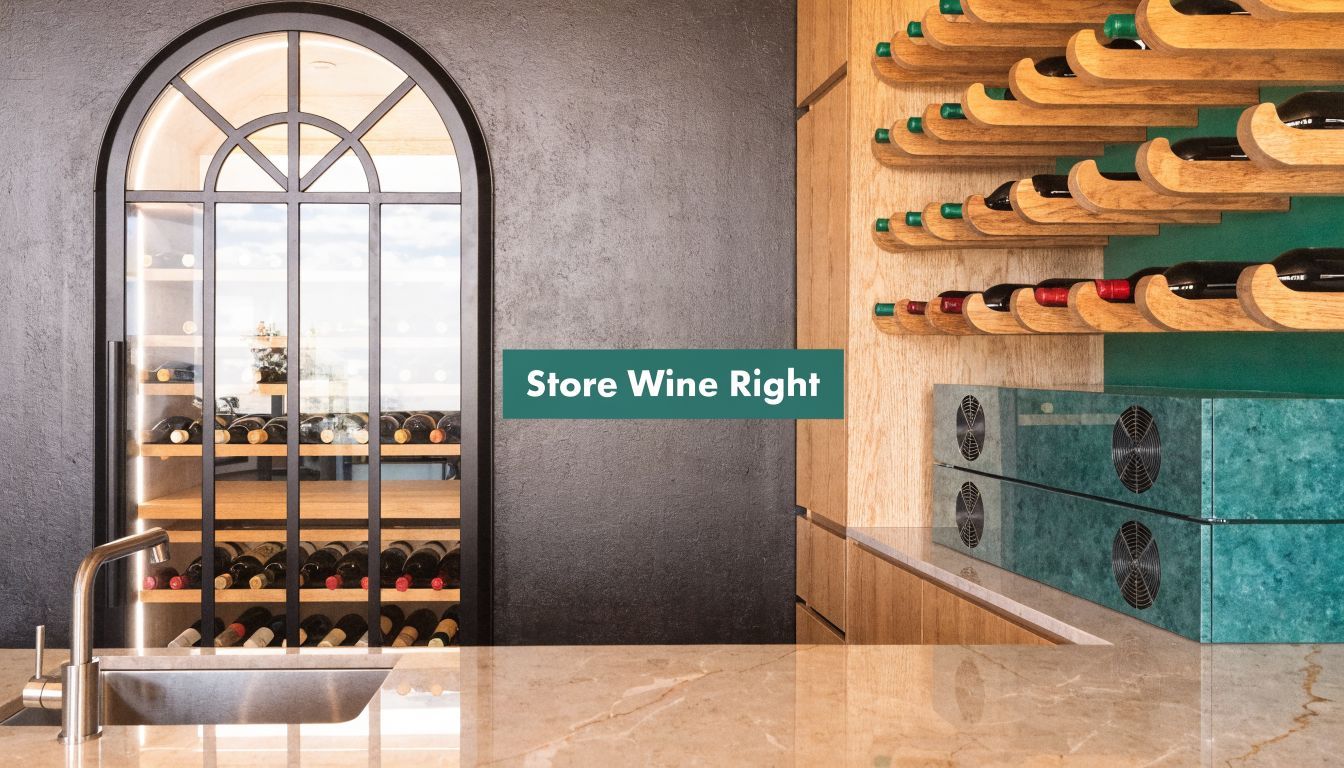
You set a good bottle on top of the fridge for “just a few days,” then a week later it has been warmed by the kitchen, shaken every time the door slams, and pushed behind cereal boxes to make room. That is how wine gets ruined in small homes.
The best way to store wine depends less on fantasy cellar advice and more on the life you live. Apartment layouts run hot. Closets do double duty. Moves happen. Decluttering happens. A smart storage setup has to balance cost, space, and convenience, especially if you keep anywhere from a few weeknight bottles to a small collection you do not want to replace.
Wine keeps best in a stable, cool, dark spot with as little vibration as possible. Long-term storage also benefits from enough humidity to keep natural corks from drying out. If your home cannot offer that consistently, climate-controlled storage for temperature-sensitive household items becomes worth considering, particularly for bottles you are saving through a move or for anything with real replacement value.
That is the lens for this guide. I’m not ranking storage methods by tradition or by what looks impressive in a dining room. I’m ranking them by how well they work in real homes, how much space they take, what they cost to maintain, and how easy they are to scale from a few bottles to boxed, climate-controlled storage if your collection grows.
1. Wine Refrigerator Units
A wine fridge earns its keep fast in a small home. If your apartment runs warm, your kitchen gets afternoon sun, or you buy more than a few bottles at a time, a dedicated unit gives you consistent conditions without asking a closet or cabinet to do a job it cannot do well.
Unlike a standard kitchen refrigerator, a wine fridge is designed for steadier storage temperatures and lower vibration. The Wine Spectator guide to storing wine notes that wine stores best in a cool, stable environment, which is exactly where these units help.

Where a wine fridge works best
This is one of the best options for renters who want better storage without committing to built-ins or using up closet space. Countertop and slim freestanding units work well for a small, drink-soon collection. Larger models make more sense if you buy by the case, keep bottles for holidays, or want a buffer before graduating to off-site storage.
The trade-off is straightforward. You gain temperature control and easy access, but you give up floor space and add another appliance to move later. In a studio, that matters. In a one-bedroom with a dead corner near a dining nook, it can be an easy win.
Placement decides whether the unit performs well. Keep it away from windows, ovens, radiators, and dishwashers. If the only open spot is in a hot kitchen lane, expect the compressor to work harder and the unit to run less efficiently.
A few setup habits prevent the usual problems:
- Leave clearance for airflow: Follow the manufacturer’s venting instructions so heat can escape.
- Confirm the actual temperature: Use a thermometer once in a while instead of trusting the display forever.
- Store by frequency of use: Put weeknight bottles up front and long-hold bottles where they will not get jostled.
- Use the shelves well: A simple storage organization system for maximizing small spaces helps if you are trying to fit wine into a crowded apartment without wasting vertical space.
For many households, a wine fridge is the best middle-ground option on the cost, space, and convenience matrix. It gives better protection than open-room storage and easier access than off-site storage. It also scales poorly once your collection grows past what you can reasonably dedicate floor space to, which is why I usually recommend it for active drinkers with a modest collection, not for people accumulating cases.
2. Horizontal Wine Bottle Racks and Storage
A horizontal rack is usually the simplest answer when a wine fridge is too bulky, too expensive, or not worth hauling to the next apartment. It stores bottles efficiently, keeps labels visible, and fits into spaces that would otherwise go unused, like the bottom of a pantry, a dining room sideboard, or a shelf inside a closet.
For bottles sealed with natural cork, side storage is the standard approach for longer holding. The goal is practical. Keep the cork from drying out while the bottle rests in a position that is stable and easy to organize. That makes racks a strong option on the cost, space, and convenience matrix if your home already has a consistently cool, darker spot.

Best use case for racks
Racks work best in homes where the room conditions are already doing part of the job. An interior closet shelf, a shaded cabinet, or a low-traffic corner away from heat can all work well. In a small apartment, that matters more than the rack material. Wood, metal, stackable cubes, and compact countertop systems can all store wine adequately if the surrounding area stays steady.
The trade-off is straightforward. A rack gives order and access, but it does not control temperature, humidity, or light. If the room runs warm every afternoon or gets hit by direct sun, the rack is only making bad storage look tidy.
I usually recommend racks for active drinkers keeping a modest collection at home, especially people who want a flexible setup that can be disassembled during a move. They are less useful for long-term aging or for anyone whose collection has already grown beyond a few shelves.
A few setup choices make a noticeable difference:
- Store bottles level or with a slight downward angle: That supports cork contact without overcomplicating the setup.
- Separate short-term and hold bottles: Keep the bottles you plan to open soon within easy reach so you are not constantly shifting the rest.
- Choose low-disturbance locations: Avoid spots near doors that slam, speakers, radiators, or HVAC vents.
- Check the spot in summer and winter: Apartment conditions change more than people expect.
- Use vertical space carefully: A compact rack paired with smart under-bed storage solutions for overflow items can free up a better shelf or closet zone for wine.
One caution I give often. Do not confuse display storage with protective storage. Open racks look good in dining rooms and kitchens, but if the only available wall gets afternoon sun or sits above a dishwasher, the better choice is a less photogenic spot that provides protection for the bottles.
3. Closet and Under-Bed Wine Storage
This is the most underestimated option for small-space living. It can work surprisingly well, but only if you’re honest about the conditions.
Apartment-focused guidance often points renters toward closets, cupboards, and under-bed storage because they use dead space and avoid lease issues tied to permanent fixtures, as noted by Apartment Advisor’s apartment wine storage article. That makes this method practical for renters who can’t install wall racks or built-ins.
What makes this work
A coat closet in an interior hallway is often better than a stylish open shelf in the dining area. It’s darker, more protected, and less exposed to daily temperature swings. Under-bed storage can also work for short-term bottle organization if the room itself stays stable and you’re not storing near a heating source.
Often, people overestimate their space. A closet isn’t a cellar just because it’s dark. If it shares a wall with a laundry unit, hot water heater, or sun-baked exterior wall, it may be one of the worst spots in the apartment.
Here’s a visual look at compact-space storage ideas:
How to improve a small-space setup
A closet setup gets better when you add a few controls instead of relying on luck.
- Add cushioning: Foam shelf liners help reduce bottle movement.
- Use low-heat lighting: Motion-sensor LEDs are better than bright built-in bulbs.
- Monitor conditions: A small wireless thermometer helps you catch bad temperature swings.
- Keep bottles off the floor: Elevation helps protect labels and boxes from dust and minor moisture issues.
If you’re using the space beneath your bed, this under-bed storage guide for maximizing small spaces offers practical setup ideas.
4. Wine Storage Boxes and Shipping Containers
A move is usually when bottle storage falls apart. Bottles end up in grocery bags, loose in moving cartons, or buried behind winter clothes because the apartment has run out of safe space.
Wine boxes solve a specific problem. They make a collection stackable, trackable, and easier to protect during a move, a renovation, or a period of decluttering. For renters, they also scale better than fixed furniture. You can start with one case, add another later, and keep the system intact if you change apartments.
This option works best for reserve bottles and overflow, not for the wines you reach for every Friday night. Access is slower than a rack or fridge, but the trade-off is better protection and a smaller footprint. In a cost, space, and convenience matrix, boxes usually land in the middle. Lower cost than a dedicated built-in setup, less convenient than open storage, and far more flexible for people who move often.
I recommend wine-specific boxes with dividers, not random shipping cartons from the last delivery. The goal is to keep bottles separated, reduce label scuffing, and limit movement in transit. If you are storing off-site, pair the boxes with a climate-controlled service so the packaging is not doing all the work. That setup is one of the more practical modern alternatives to a traditional cellar, especially for apartment dwellers who want preservation without giving up closet space.
Per-box storage is also easier to live with than many people expect. You can store only the bottles worth protecting, keep everyday drinkers at home, and avoid paying for more room than you need. If you are also reworking a tight kitchen or pantry, these clever storage solutions and design tips show the same principle. Use compact systems that fit real homes instead of designing around an idealized one.
A few habits make box storage work well:
- Use boxes with internal dividers sized for wine bottles.
- Label each box by type, region, or drinking window.
- Keep a simple digital inventory so you can find one bottle without opening everything.
- Store boxes off concrete floors if the area gets dusty or damp.
- Reserve this method for medium-term holding, moving periods, or off-site storage.
For packing technique, follow this guide to packing fragile items safely for shipping. Good packing prevents broken glass, torn labels, and the frustration of discovering damage after the box comes back out of storage.
5. Dining Room and Display Wine Racks
A dining room rack works well for the bottles you expect to open soon. It works poorly for bottles you want to protect through a hot summer, a bright window exposure, or a long stretch between moves.
That trade-off matters even more in smaller homes. In an apartment, the dining area often shares air, light, and temperature swings with the kitchen and living room. A rack that looks tidy and saves cabinet space can still be the wrong place for anything age-worthy.
Display racks are best used as short-term, visible storage. Keep the bottles there that are already in rotation, the ones you want easy to grab for dinner, guests, or a weekend gift. Save your better bottles for a darker, steadier setup elsewhere.
Where display racks make sense
A wall rack in a shaded dining nook can be practical if you manage it like a holding zone, not a cellar. I recommend setting a clear rule: if you would be annoyed to see the bottle spoiled, do not store it on open display.
The biggest risks are simple and predictable. Direct sun, warm walls, heat from nearby appliances, and the constant temperature drift that comes with daily living all work against the bottle. As noted earlier, heat is one of the fastest ways to shorten a wine's life.
Open display also creates a maintenance problem people rarely plan for. Bottles collect dust, labels fade faster, and it is easy to forget how long something has been sitting there because the rack feels like furniture instead of storage.
Use these guidelines:
- Keep it for short rotation: Store near-term drinking bottles, not keepsakes or aging wines.
- Choose the wall carefully: Skip spots near windows, radiators, stoves, and exterior walls that run hot in summer.
- Limit rack size: In small spaces, a compact rack prevents display storage from turning into overflow.
- Check bottle position: Horizontal storage still helps keep corks from drying out on cork-finished bottles.
- Review it monthly: If a bottle has lingered longer than planned, move it to a better environment or drink it.
For apartment dwellers, this method ranks well on access and appearance, but poorly on long-term protection. It is a decor-forward option, not a preservation-first one. If you are trying to make a small dining area do more than one job, these clever storage solutions and design tips can help you use the room without giving every bottle a front-row seat.
6. Wine Cooler Cabinets and Built-In Units
Built-in wine storage is what people buy when they want appliance-grade control without the look of a standalone mini fridge. It’s a strong middle ground between convenience and design.
Sub-Zero, Miele, and Viking all make units that integrate into cabinetry and feel more furniture-like than freestanding coolers. In the right home, that’s a real advantage. The collection stays protected, the room looks finished, and bottles remain accessible.
The trade-off nobody mentions enough
Built-ins make the most sense if you expect to stay put. If you rent, move often, or aren’t sure your collection will stay the same size, they can lock you into a very expensive decision.
They also need planning. Ventilation, cabinet dimensions, electrical access, and future bottle count matter more than the finish color or handle style. A built-in that’s too small becomes overflow storage almost immediately.
Smart systems have expanded what these cabinets can do. Sommelier Business describes professional smart cellar technology that maintains storage conditions in the 12 to 14°C range with 60 to 70% humidity and reports improved preservation outcomes among high-end users in its article on advanced wine storage technology.
If you want a statement piece and dependable storage in one unit, this category delivers. If you need flexibility, it often doesn’t.
For homeowners doing a kitchen renovation or adding a bar area, built-ins can be excellent. For small-space renters, a standalone unit or off-site box storage is usually the more forgiving choice.
7. Professional Wine Storage Facilities
Once the collection gets valuable, sentimental, or large enough to create stress at home, professional storage starts making a lot of sense. This is less about luxury and more about removing avoidable risk.
Professional wine storage facilities offer controlled climate, better security, and usually better inventory discipline than most homes can provide. They also free up square footage, which matters more than people admit when bottles start taking over closets, cabinets, and spare corners.

Who should consider a professional facility
This is a good fit for collectors, frequent movers, people downsizing, or anyone with bottles they’d hate to replace. It’s also useful if your apartment can’t maintain decent humidity. Wineracks America highlights that many apartments fall below recommended humidity in heating season and that off-site climate-controlled storage directly addresses that weakness in its apartment wine storage discussion.
Some facilities are traditional wine banks. Others operate more like modern logistics services. The best ones make retrieval simple, document inventory clearly, and offer enough access that your wine doesn’t feel locked away.
What I’d check before signing up:
- Climate monitoring: Ask how they maintain stable temperature and humidity.
- Insurance: Confirm what’s covered and how claims work.
- Access process: Know how fast you can get bottles back.
- Handling standards: Good facilities move wine carefully, not like general storage stock.
If you want pickup convenience rather than hauling boxes yourself, these storage companies that pick up your items show what that service model looks like. For broader context, this overview of temperature controlled storage units is also useful.
8. Traditional Wine Cellar Conversion
A basement room can look like the perfect wine solution right up until the first humid summer, dry winter, or cooling-system repair bill. Cellar conversions can store wine extremely well, but they make sense for a narrower group of people than the photos suggest.
A proper conversion gives you control over the full storage environment: insulation, vapor barrier placement, cooling, humidity management, lighting, and racking layout. The catch is that every part has to work together. Wine Guardian’s guidance on building a residential wine cellar makes that clear. Good cellar performance depends on the room assembly as much as the cooling unit.
That design standard is why cellars remain the benchmark for long-term aging. A well-built cellar supports a larger collection, keeps bottles organized, and can handle mixed case storage better than many furniture-style solutions. If you own your home, expect to stay put, and plan to keep buying wine for years, the investment can be justified.
For small apartments, renters, and people who move often, the trade-offs are hard to ignore.
Cellar conversions take dedicated square footage, upfront construction work, and ongoing maintenance. They also lock your storage strategy to one address. I usually place them low on a cost, space, and convenience matrix for modern living, even though they score high on capacity and aging potential. If your collection is growing but your housing situation is not permanent, per-box climate-controlled storage or a professional facility often solves the actual problem with less cost and less commitment.
The biggest mistake is treating a cellar like a décor project. A room can have beautiful wood racks and still store wine badly if the envelope, humidity, or cooling setup is wrong.
Traditional cellars are still excellent. They are just best reserved for settled homeowners with enough collection size to justify the build.
Top 8 Wine Storage Methods Compared
| Option | 🔄 Implementation Complexity | ⚡ Resource Requirements | ⭐📊 Expected Outcomes | 💡 Ideal Use Cases | ⭐ Key Advantages |
|---|---|---|---|---|---|
| Wine Refrigerator Units | Low, plug-and-play setup | Moderate, electricity, ventilation, $200–$3,000 | Precise short-to-medium term temp & humidity control | Apartments, small collections, accessible storage | Space-efficient, UV protection, dual-zone options |
| Horizontal Wine Bottle Racks | Low, simple assembly/mounting | Minimal, no power, $20–$500, wall/floor space | Good for cork preservation and long-term aging if ambient stable | Closets, under-bed, decorative storage in small homes | Affordable, no electricity, preserves cork contact |
| Closet and Under-Bed Wine Storage | Low–Medium, minor insulation/organization | Minimal to moderate, shelving, optional portable fridge | Variable; can be good if insulated and dark, otherwise inconsistent | Urban dwellers maximizing dead space, hidden collections | Low-cost, concealable, leverages unused space |
| Wine Storage Boxes & Shipping Containers | Very low, pack & store workflow | Low, boxes plus climate-storage service ($≈7.99/mo/box) | Reliable short-to-medium term climate protection offsite | Moving, downsizing, overflow storage, seasonal needs | Very affordable, transportable, insured inventory |
| Dining Room & Display Wine Racks | Low, install/display only | Minimal, no power, moderate cost for aesthetic pieces | Convenient access; poor for long-term aging due to light/temp exposure | Frequently consumed wines, decorative display in living areas | Doubles as décor, immediate access, easy to maintain |
| Wine Cooler Cabinets & Built-In Units | Medium–High, installation and ventilation required | High, electricity, significant space, $1,500–$10,000+ | Consistent climate for larger collections; integrated look | Renovated kitchens, serious collectors seeking integrated storage | Large capacity, attractive finish, adds home value |
| Professional Wine Storage Facilities | Low for user (service onboarding) | High, monthly fees ($50–$300+/case), transport logistics | Laboratory-grade climate, security, insurance, inventory management | Investment-grade collections, long-term secure storage | Best protection, scalable capacity, professional handling |
| Traditional Wine Cellar Conversion | Very High, construction, HVAC, professional design | Very high, $5,000–$50,000+, permanent space and upkeep | Optimal long-term aging, large capacity, stable environment | Permanent homeowners and serious collectors with space | Ultimate environmental control, resale value, privacy |
Choosing Your Perfect Wine Storage Solution
The best way to store wine depends on three things: how much you own, how long you plan to keep it, and how much space your life can realistically give up. A grand cellar is typically not essential. What is needed is a storage method that protects the bottle without making daily life harder.
If you keep a modest collection and want easy access, a dedicated wine refrigerator is usually the strongest all-around choice. It gives you controlled storage at home, fits apartment living better than commonly thought, and works well for bottles you want within reach. If your room conditions are already decent, horizontal racks can also work well, especially for cork-finished bottles that need to stay on their sides. They’re affordable, compact, and easy to scale, but they rely heavily on the surrounding environment.
Closet and under-bed storage are practical when space is tight and you’re disciplined about location. A dark interior closet can outperform a flashy display rack every day of the week. Open display storage, by contrast, is best treated as short-term staging. It looks good, but it rarely gives wine the consistent conditions that longer storage requires.
Once moving, downsizing, or apartment clutter enters the picture, boxes become much more appealing. That’s where modern storage services stand out. A per-box, climate-controlled setup is often a better fit for real life than trying to force a growing collection into a small home. You get protection, cleaner organization, and less friction when your living situation changes.
For larger or more valuable collections, professional wine facilities offer peace of mind that most homes can’t match. They’re especially useful when your apartment runs dry in winter, warm in summer, or lacks a stable place for wine. And if you own a permanent home, plan to collect seriously, and want a dedicated showcase, a cellar conversion remains the premium route, though it’s the least flexible.
That’s the practical ranking. Start with the least complex option that reliably protects the wine. Upgrade when your collection or living situation demands it. If you want a broader perspective on preservation, aging, and bottle care, this complete guide to wine storage is a helpful companion read.
The right storage setup does more than save space. It protects the moment you bought the bottle for in the first place.
If your wine collection is starting to compete with your closet, kitchen, or moving boxes, Endless Storage gives you a simple way to protect it without renting a full unit. Their storage-by-the-box model, climate-controlled facilities, insurance coverage, and delivery-based convenience make them a practical fit for apartment dwellers, frequent movers, and anyone who needs a modern answer to wine storage that works in real life.