The absolute best way to store handbags is a three-part strategy: keep them stuffed to hold their shape, tuck them into a breathable dust bag, and stand them upright somewhere cool, dark, and dry. This simple routine is your best defense against misshapen leather, faded colors, and other preventable damage.
Why Proper Handbag Storage Is So Important

Your handbag collection isn't just an assortment of accessories—it's a real investment in craftsmanship, style, and your own personal story. But I’ve seen it time and time again: beautiful bags get tossed into the back of a closet, only to be found months later with permanent creases, stretched-out straps, or discolored patches.
Putting a little thought into storage is the only way to save them from that sad fate. Good handbag care is more than just tidying up. It's about actively preserving the value and integrity of every single bag.
The True Value of Your Collection
Every bag you own has both financial and sentimental worth. It’s no secret that the global handbag market is booming. The market was valued at around $77.39 billion in 2026 and is expected to climb to $104.36 billion by 2032. This isn’t just a trend; it shows that handbags are widely seen as legitimate assets.
This financial reality means that storing your bags correctly isn’t just about being neat—it’s smart asset protection. A well-maintained bag can hold or even increase its value.
Core Principles of Handbag Preservation
Getting handbag storage right really boils down to three fundamentals. Nail these, and you’re set.
- Maintain Structure: A handbag's silhouette is everything. If you let it slump or stack things on top of it, you’re asking for permanent creases and a misshapen mess. The goal is to keep it looking exactly as it did the day you bought it.
- Protect Materials: Leather dries out and cracks, suede is a magnet for stains, and metal hardware can tarnish. Shielding the exterior from dust, moisture, and accidental bumps is non-negotiable for keeping a bag in pristine condition.
- Control the Environment: Extreme temperatures, direct sunlight, and humidity are the enemies. Sunlight will fade vibrant colors in a surprisingly short amount of time, while damp spaces are an open invitation for mold and mildew. For more on this, a detailed guide on the best way to store handbags in your closet offers some fantastic insights.
Protecting your handbags is an active process. By focusing on structure, material safety, and a stable environment, you ensure that every piece in your collection remains a source of pride and joy for years to come.
Ultimately, a stable, controlled environment is the cornerstone of it all. If you have a particularly valuable collection or are just short on space, looking into the benefits of climate-controlled storage can be a real game-changer. This guide will walk you through exactly how to put these principles into practice.
Don't Skip the Pre-Storage Cleaning Ritual
Before you even think about putting a handbag away, a deep clean is an absolute must. Trust me, storing a dirty or unprepared bag is just asking for trouble. Little bits of residue, hidden crumbs, or faint stains can attract pests and eventually set in as permanent damage. This cleaning ritual is your best defense, ensuring your bags go into storage in pristine condition.
First things first: completely empty the bag. Check every single pocket, zipper compartment, and hidden sleeve. You’re not just looking for old receipts; I've seen forgotten pens leak, makeup melt into a liner, and a single piece of candy become a sticky, disastrous mess. Use a small, soft-bristled brush or a lint roller to get any lingering dust or debris out of the interior lining.
Tailor Your Cleaning to the Material
Once the inside is clear, it's time to tackle the exterior. But hold on—a one-size-fits-all approach is a recipe for disaster here. Different materials demand their own specific care routines to avoid causing more harm than good.
- Leather: For smooth leather, a simple wipe-down with a soft, dry microfiber cloth gets rid of surface dust. If you spot a minor scuff, use a specialized leather cleaner applied sparingly to a cloth (never spray it directly on the bag). Always, always test any new product on a small, hidden spot first, like a bottom corner or the inside of a strap.
- Suede and Nubuck: These materials are delicate and need a gentle hand. A dedicated suede brush is your best friend for lifting away dirt and fluffing up the nap. Always brush in one direction to avoid messing up the texture, and use a suede eraser for small, dry marks. Whatever you do, keep water far away from suede.
- Canvas and Fabric: Most canvas bags can be spot-cleaned pretty easily. Mix a mild soap with lukewarm water and use a clean white cloth. Gently dab at any stains, but be careful not to completely soak the fabric—that can leave water rings or damage any leather trim.
- Vegan Leather: This material is generally pretty tough. A quick wipe with a damp cloth is usually enough to handle dust and minor dirt. For more stubborn spots, a little bit of mild soap and water will work, but always dry it completely when you're done.
I can't stress this enough: stay away from harsh household cleaners like Windex or all-purpose sprays. The chemicals and alcohol in these products will strip color, dry out leather, and cause permanent damage to your handbag's finish.
Conditioning and Final Inspection
After cleaning, conditioning is a critical step, especially for leather bags. Think of leather conditioner as moisturizer for your bag; it puts back the natural oils that stop the material from drying out, getting brittle, and eventually cracking.
Put a small amount of a quality leather conditioner on a clean, soft cloth. Work it into the leather with gentle, circular motions. Let it sit for a few minutes to really soak in, then buff off any excess with another clean cloth. This not only protects the leather but also brings back its beautiful, natural sheen. This whole idea of proper prep is universal—it makes all the difference, just like when you're figuring out how to pack clothes for storage to keep them from getting wrinkled and damaged.
Finally, give the hardware—zippers, clasps, buckles—a quick look-over and polish. A clean microfiber cloth is often all you need to make them shine again. Check that all the zippers glide smoothly and the clasps work right. It’s so much easier to fix a minor issue now than to discover a broken buckle when you’re excited to use the bag months down the line. This final check wraps up the prep work, leaving your handbag perfectly clean, conditioned, and ready for safe keeping.
Maintaining Your Handbag's Shape and Structure
Once your handbag is perfectly clean, the next mission is protecting its shape. A bag's silhouette is everything, and letting it slump, fold, or get crushed in storage is the fastest way to cause permanent creases and weaken the material. You've got to support it from the inside out.
Think of it this way—your bag has an architecture. A structured tote is meant to stand tall, while a slouchy hobo needs to have that soft drape. Your storage strategy has to respect the bag's intended form, not fight against it.
This quick overview shows the essential pre-storage steps before you even think about stuffing or covering your bags.

Following these simple actions—emptying, wiping, and conditioning—ensures that no lingering dirt or damaging items get sealed inside during storage.
The Art of Properly Stuffing Your Handbag
Stuffing isn't just about cramming paper inside until a bag looks full. There’s a delicate balance here. Overstuffing can be just as bad as under-stuffing, as it can stretch the seams and distort the bag’s natural lines. The goal is to provide enough filling for support without creating any tension.
You want a firm but gentle fill that mimics how the bag looks when it's comfortably in use. It should look natural, not bloated. For example, a rectangular satchel needs its crisp corners supported, but a soft bucket bag just needs enough filling to keep it from collapsing on itself.
"The secret to preserving a handbag’s shape is to think of the stuffing not as filler, but as a custom support system. It should hold the bag up from within, preventing gravity from winning the long game."
Let's get into the best materials for this crucial job.
Choosing the Right Stuffing Material
The material you choose to stuff your handbag with matters—a lot. Some options are fantastic for long-term preservation, while others can cause some nasty surprises down the road. I've seen it happen.
- Acid-Free Tissue Paper: This is the gold standard for a reason. It's lightweight, gentle, and won't transfer any weird chemicals or dyes to your bag's interior lining. Just ball it up loosely to fill the main compartments.
- Purse Pillows or Shapers: For your most prized bags, these are a fantastic investment. They’re designed to fit specific models or general shapes, providing perfectly distributed support without any guesswork. They are especially useful for structured bags that need to maintain those rigid lines.
- Soft, Color-Fast Fabrics: Old, clean cotton t-shirts or soft towels can work in a pinch. But you have to be 100% certain they are color-fast. Never use a brightly colored shirt inside a light-colored bag—dye transfer is a very real, very sad risk. Also, make sure there are no zippers or buttons that could snag the lining.
One material to avoid at all costs is newspaper. The ink can easily smudge and stain the interior, and the paper itself is acidic. Over time, it will yellow and degrade, potentially damaging the bag's material.
To help you decide, here's a quick comparison of the most common stuffing options.
Handbag Stuffing Material Comparison
Each material has its place, so choose what makes the most sense for the bag you're trying to protect.
Protecting the Exterior with Dust Bags
Once your bag is perfectly stuffed, the final layer of defense is a good dust bag. This simple cover is what stands between your bag and dust, scratches, and—most importantly—color transfer from other items stored nearby.
The best dust bags are made from soft, breathable fabrics like cotton or flannel. These materials allow air to circulate, which is vital for preventing the moisture buildup that leads to mold or mildew. This is especially critical for leather and suede.
Never, ever store your handbags in plastic bags or sealed plastic containers. Plastic is the enemy. It traps moisture and creates a humid micro-environment that’s a perfect breeding ground for mold. It essentially suffocates the material, which can cause irreparable damage. If you're using lidded containers, our guide on choosing the right storage boxes with lids can help you find breathable options.
This level of care is becoming more important as people view their collections as assets. In fact, the luxury handbag market hit $32.29 billion in 2025 and is projected to grow to $54.66 billion by 2033. It’s a clear sign that consumers are investing in high-value pieces that demand proper care. You can find more insights about the growth of the luxury handbag market on skyquestt.com.
Choosing the Right Storage Environment
Once you’ve gone through the effort of cleaning, conditioning, and stuffing your handbags, the last thing you want to do is undermine all that hard work by stashing them in the wrong spot. The environment you choose can either preserve your collection for years or ruin it in a matter of months.
Finding the right way to store handbags is all about protecting them from their biggest enemies: light, extreme temperatures, humidity, and physical stress. A bag left in a sunny room will fade. One tossed in a damp basement will start to mildew. And one hung on a hook will end up with permanently stretched-out straps.
Let's walk through the best options for keeping your bags safe, both for the ones you use every day and for the special pieces you're preserving for the long haul.
Everyday Access At Home
For the bags you have in regular rotation, you need a storage solution that balances protection with convenience. The goal is a system that keeps them organized and safe from daily wear and tear, even when they’re sitting on the sidelines.
A few excellent at-home options include:
- Shelves in a Closet: This is a classic for a reason. Placing your stuffed handbags upright in their dust bags on a shelf is one of the most effective methods. It prevents them from getting crushed and allows air to circulate. Just make sure the shelf is deep enough so the door doesn’t squish them.
- Cubbies or Dividers: If you’ve got the space, dedicated cubbies are a fantastic solution. Each bag gets its own little home, which stops them from leaning on each other and causing color transfer or indentations. Shelf dividers can create a similar effect on a long shelf.
- Dedicated Cabinets: A closed cabinet offers an extra layer of defense against dust and sunlight. A cabinet with solid (not glass) doors is perfect for preventing any light exposure, which is a big deal for brightly colored or delicate leather bags.
One critical rule to follow: Never, ever hang your handbags by their straps for long periods. The constant pull from the bag’s weight will permanently stretch, weaken, and can even break the handles over time. Always let the base of the bag support its own weight.
Long-Term Preservation Solutions
For those special bags—the seasonal pieces, vintage finds, or sentimental heirlooms—long-term storage requires a higher level of care. These are the bags you don’t need to grab on a whim, so preservation becomes the top priority.
This is where you need to get serious about creating a stable environment. Attics and basements are probably the worst places you could choose, thanks to their wild swings in temperature and humidity. Those unstable conditions are a recipe for disaster, leading to cracked leather, tarnished hardware, and musty smells. A spare room or a climate-controlled closet is a much safer bet.
Protecting these investments is more important than ever. Market projections show the global handbag market is expected to grow from $68.86 billion in 2026 to $120.43 billion by 2034, with a 7.24% compound annual growth rate. This isn't just about accessories; it's about valuable assets that are worth protecting.
When to Consider Professional Storage
Sometimes, the perfect storage environment just isn’t available at home, especially if you're a collector living in a smaller city apartment. When you're dealing with a valuable collection, limited closet space, or a home climate that’s just not suitable (hello, humidity!), professional storage is a smart move.
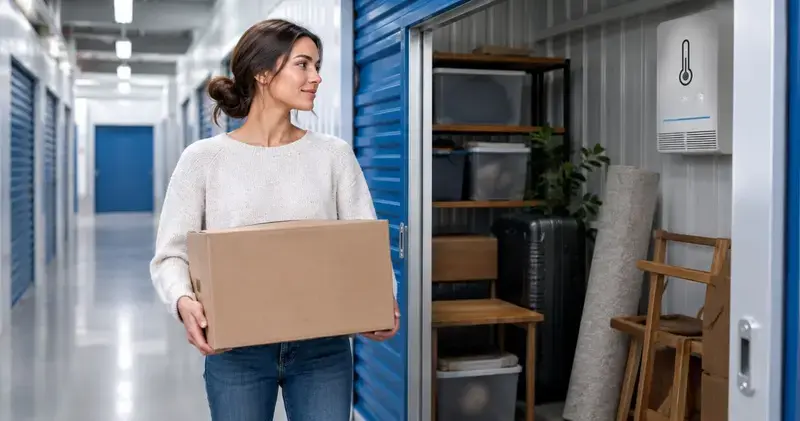
But not all storage is created equal. A standard drive-up storage unit is no better than an attic, leaving your bags exposed to the same damaging temperature swings. For something as delicate as a handbag collection, climate-controlled storage is non-negotiable.
This type of storage maintains a consistent temperature and humidity level all year round, creating ideal archival conditions that halt the aging process and prevent damage. It’s the ultimate defense against the environmental threats that can ruin a prized collection. For anyone thinking about external options, this complete self-storage options handbook is a great resource.
The Modern Approach to Climate-Controlled Storage
Let’s be honest, handbag collectors rarely need a massive 10x10 storage unit. That’s total overkill. What you really need is a secure, perfectly controlled environment for a few specific, valuable items. This is where modern storage-by-the-box services like Endless Storage really shine.
This model is perfectly suited for preserving a handbag collection without the cost and hassle of a full-sized unit. You can store each handbag in its own box, knowing it's safe in a professionally managed, climate-controlled facility. It gives you complete peace of mind that your investment is being protected by experts.
This approach is very similar to how you’d care for other valuable accessories. In fact, our guide on how to store luggage shares many of the same core principles of protection and care.
By choosing a service like this, you get access to premium storage conditions without paying for space you don't need. It’s a smart, efficient, and secure way to ensure your collection stays in pristine condition for years to come.
How to Organize and Maintain Your Collection
Finding the best way to store your handbags is an ongoing commitment, not a one-and-done task. Once your collection is cleaned, stuffed, and perfectly placed, the real work of preservation begins. Long-term care is what truly separates a well-maintained collection from a forgotten one.
It all comes down to creating a smart inventory system and sticking to a regular maintenance schedule. This proactive approach helps you catch small issues before they become heartbreaking problems, ensuring your investment pieces stay pristine for years to come.
Creating Your Handbag Inventory
Knowing what you have and where you have it sounds basic, but it’s a crucial step that many collectors skip. An inventory system is your personal catalog, helping you track each bag's location, condition, and even how often you use it. You don't need complicated software; a tool you already use will work perfectly.
- Spreadsheet: A simple Google Sheet or Excel file is incredibly effective. Make columns for the bag's name, designer, color, purchase date, and storage location (e.g., "Top shelf, master closet"). I also like to add a notes section for its last inspection date or any signs of wear.
- Notes App: For a more visual approach, an app like Evernote or Apple Notes is fantastic. You can create a dedicated note for each handbag, drop in photos from different angles, and add descriptive tags for quick searching (like #leather, #tote, or #seasonal).
- Dedicated Collection Apps: Apps like Stylebook or Closet+ are designed for wardrobe management and are great for cataloging your bags right alongside your outfits. Many even include features for tracking how often you use an item.
Whatever method you choose, consistency is everything. Update your inventory whenever a new bag joins the family or when you move things around. It'll save you from that frantic search later. If you want to dive deeper, we have a helpful guide on how to create an inventory system that can get you started.
A well-organized inventory isn't just for insurance purposes—it's a practical tool for appreciating and managing your collection. It helps you remember what you own, encouraging you to rotate your bags and enjoy them more fully.
This simple act of cataloging reinforces the idea that your collection is an asset worth managing with care.
The Importance of Regular Rotation and Inspection
Just like a fine wine needs the right cellar conditions, your handbags benefit from being taken out of storage every so often. A regular inspection and rotation schedule—ideally every 6 to 12 months—is vital for their long-term health. Even in perfect conditions, extended storage can be tough on natural materials.
Your maintenance check doesn't have to be complicated. Just set a recurring reminder on your calendar to go through your collection.
- Air Them Out: First, carefully remove each bag from its dust cover and let it sit in a well-ventilated room for a few hours. This simple step prevents musty odors from developing and allows the material, especially leather, to breathe.
- Inspect for Issues: Give each bag a thorough once-over. Look closely for any signs of trouble—mildew spots (a real concern in humid climates), color fading, or new scuffs. Don't forget to check the hardware for any early signs of tarnish and make sure zippers and clasps are still running smoothly.
- Check the Stuffing: Over time, tissue paper can get compressed and lose its supportive power. Open the bag and check that the stuffing is still doing its job. If it has flattened out, take a moment to refluff it or replace it to ensure the bag keeps its proper shape.
- Rotate Your Collection: This is the perfect opportunity to swap out seasonal bags. Bring your spring pastels to the front and move your heavy winter totes into storage. This not only keeps your daily options fresh but ensures no single bag sits untouched for too long.
This cycle of care reinforces that handbag storage isn't a passive activity. It’s an active process of preservation that protects both the financial and sentimental value of your cherished collection.
Common Handbag Storage Mistakes to Avoid

Knowing how to store your bags is one thing, but knowing what not to do is just as important. With the best intentions, a few common slip-ups can cause some serious, irreversible damage. I’ve seen it happen—a prized accessory turns into a misshapen, faded, or cracked disappointment.
Many of these mistakes are just habits we don't think twice about, but they slowly chip away at the quality of your collection. By catching and correcting these missteps, you can avoid costly repairs and keep every bag you own looking its best.
Let’s walk through the most frequent errors I see and the simple ways to fix them.
Mistake 1: Hanging Bags by Their Handles
This is probably the most common—and damaging—mistake of all. Draping a bag from a hook or a doorknob puts constant, focused stress on the straps and where they attach to the bag. Over time, gravity always wins. It stretches the material, weakens the stitching, and can even cause the handles to tear right off.
The Fix: Always let your bags sit upright on a flat surface, like a shelf or the floor of your closet. This simple change allows the base of the bag to support its own weight, just as it was designed to. It completely eliminates the strain on the handles, preserving their shape and strength for the long haul.
Mistake 2: Using Plastic Bags or Bins
It seems like a good idea, right? Sealing a handbag in a plastic bag or bin to keep it safe from dust. Unfortunately, this is a critical error. Plastic is non-breathable, which means it traps moisture inside and creates a humid little microclimate. That’s a perfect breeding ground for mold and mildew, which will permanently stain and ruin leather, suede, and fabric.
The Fix: Stick with the breathable fabric dust bag that came with your handbag. If you don't have the original, a plain cotton or flannel pillowcase works just as well. The goal is to shield the bag from dust and light while still allowing air to circulate, keeping the materials healthy and dry.
"A handbag needs to breathe, especially natural materials like leather. Sealing it in plastic is like suffocation—it prevents moisture from escaping, which can lead to mildew and a musty smell that's nearly impossible to remove."
Mistake 3: Exposing Bags to Sunlight
Direct sunlight is one of the fastest ways to ruin a beautiful handbag. UV rays act like bleach, causing vibrant colors to fade and turn dull in a surprisingly short amount of time. I’ve seen a gorgeous burgundy tote left near a window develop a sad, pinkish patch after just one season. On top of that, sunlight dries out leather, making it brittle and prone to cracking.
The Fix: Store your collection somewhere dark. Inside a closet or a cabinet with solid doors is ideal. If your bags are out on open shelves, just make sure they're far away from any windows. Keeping them tucked inside their dust bags adds another crucial layer of protection against any ambient light, too.
Mistake 4: Stacking or Crowding Bags
Tossing your bags into a pile at the bottom of the closet or squishing them together on a shelf is a recipe for disaster. Stacking puts pressure on the bags at the bottom, which leads to permanent indentations, creases, and lost silhouettes. Crowding them causes other problems, like color transfer between dark and light bags or scuffs from hardware rubbing against delicate materials.
The Fix: Give each handbag its own personal space.
- Stand them upright: Line them up on a shelf with a few inches of breathing room between each one.
- Use dividers: Shelf dividers are a fantastic tool for creating individual "stalls" for each bag, which stops them from leaning on each other.
- Keep them separated: Make sure every bag is in its own dust bag. This creates a protective barrier that prevents scuffs and stops color from bleeding.
By steering clear of these common pitfalls, you shift from simply owning your handbags to actively preserving them. Each small adjustment makes a huge difference in their condition, ensuring they stay beautiful and functional for years to come.
Of course, even with the best plan in place, specific questions always pop up once you start organizing your collection. Figuring out the best way to store your handbags often means troubleshooting a few unique situations. Let’s tackle some of the most common questions I hear from fellow collectors.
How Often Should I Air Out My Stored Handbags?
For any bags you have tucked away in long-term storage, it's a great habit to check on them every 6 to 12 months. Think of it as a quick "breather." This gives you a chance to inspect their condition, make sure no mildew or pests have appeared, and just let the materials air out a bit.
This is especially critical for natural materials like leather, which really benefit from occasional exposure to prevent them from drying out or developing that dreaded musty smell. Even in a perfectly climate-controlled space, a periodic check is just a smart move for long-term preservation.
Is It Safe to Stuff My Purses with Newspaper?
I'm going to be blunt: never use newspaper to stuff your handbags. The ink is notorious for transferring onto the bag's interior lining, leaving behind permanent stains that are a nightmare—if not impossible—to remove.
On top of that, newspaper isn't acid-free. Over time, it will degrade, yellow, and could potentially damage the very material you're trying to protect. Always, always opt for safer alternatives to maintain your bag's shape without risking its integrity.
Stick to what works. I only use proven, safe materials for stuffing bags. Acid-free tissue paper, dedicated purse shapers, or even clean, soft fabrics like old cotton t-shirts are all excellent choices that protect your investment from the inside out.
Can I Store a Light-Colored Bag Next to a Dark One?
I strongly advise against storing light and dark-colored handbags where they can touch each other directly. This is practically an open invitation for color transfer, where dye from the darker bag can leech onto the lighter one, creating a permanent, frustrating stain.
The fix is simple: make sure every single handbag is stored inside its own individual, breathable dust bag. This simple barrier offers total protection against color transfer and also shields your bags from dust and minor scratches. It’s a tiny step that prevents a massive headache down the road.
Ready to give your collection the expert care it deserves without cluttering your home? Endless Storage offers secure, climate-controlled storage by the box, perfect for preserving your valuable handbags. Learn more and get started at https://www.endless-storage.com.
Frequently Asked Questions
Unveiling the Secrets to Effortless Storage
Endless Storage is available nationwide. You pick a plan, tell us where to pickup, and we'll send a UPS van to collect, whichever state you're in.
Your shipping label will be sent to your email within a few minutes, if not instantaneously. It can also be accessed through your customer profile.
Your box will be shipped to one of our climate controlled self storage facilities in our closest self storage facility. Our manager will accept your package, notify you that your box has been received, and securely stored. Only our managers will have access to Endless Storage boxes.
Email us at admin@endless-storage.com click to live chat with us, or send us a message below.
Never! We're committed to transparent pricing with no surprises. You'll lock in your rate with no hidden fees and no long-term contracts.
Fast access guaranteed! Your boxes will arrive at your doorstep within 48 hours of requesting them back. Need to check on delivery? We provide tracking information for complete peace of mind.
Totally flexible! Store month-to-month with no long-term commitment and cancel anytime.
Everything's online! Use your account dashboard to:
• Set up automatic monthly payments
• Request box returns
• Update your address
• Order additional boxes
• Track shipments
Your boxes are insured up to $100 each. Our customer service team will help you file any necessary claims and resolve issues quickly.
Don't worry – we'll email you right away if there's a payment issue. Your items stay safe, though you may have temporary service interruption or late fees until payment is resolved.
When you request our free storage kits, you'll have 30 days to send in your boxes to activate your 3 months of free storage. Think of it like starting a gym membership – your activation window begins when you receive your kits, and your full free trial begins once you send in your first box. During your free months, you'll experience our complete storage service at no cost.
Your 30-day activation window begins when you receive your storage kits. We'll send you an email confirmation when your kits are delivered, marking the start of your activation period.
If you haven't sent any boxes for storage within your 30-day activation window, your free trial will expire and we'll begin charging the regular monthly rate of $9.99 per box. This helps ensure our storage kits go to customers who are ready to use our service.
A box costs $9.99 per month to store (plus sales tax). This price includes free shipping for standard boxes under 50 lbs. and smaller than 16"x16"x16"
Log into your Endless Storage account, locate the box you would like returned, and simply click Return My Box.
Yes, each box stored with us is insured for up to $100 throughout transit as well as the duration of storage within our facilities.
Your box will be at your doorstep within 48 hours of you requesting it back.
Store 10+ boxes? We'll pick them up for free! After your purchase, we'll contact you to schedule a convenient pickup time and arrange UPS collection.
We trust UPS with all shipments, and every box includes $100 insurance coverage. You'll receive tracking information to monitor your items' journey.
Yes! Visit any of our locations by appointment. Just bring a photo ID matching your customer profile.
For everyone's safety, we can't store hazardous materials, firearms, or perishables. All items must fit within our standard boxes.
It's easy! Order your storage kit online, and we'll ship it to you within 1-2 business days. Your shipping labels will be emailed instantly and available in your account.
We're here to help! Email us at admin@endless-storage.com, use our live chat, or send us a message through your account.
To cancel your storage service with Endless Storage, please email your cancellation request to admin@endless-storage.com. Our team will process your request within 2 business days and confirm your cancellation via email.
We understand packing takes time. However, to maintain your free trial benefits, you'll need to send at least one box within the 30-day activation window. If you need more time, you can always start with one box to activate your trial and send the rest later. You can always reach out to admin@endless-storage.com if you have any issues or concerns.
When you request our free storage kits, you're starting a 30-day window to begin using our storage service.
To avoid any charges, simply send at least one box for storage within 30 days to activate your 3-month free trial. If you decide not to use our service and don't send any boxes within the 30-day window, a one-time $50 fee will apply to cover the costs of materials and shipping. This helps ensure our storage kits go to customers who are ready to use our service.
Think of it like reserving a hotel room – we're setting aside space and sending specialized packing materials for your use. The fee only applies if you request materials but don't begin storage, similar to a hotel's no-show charge.