Your Ultimate Moving to New City Checklist for 2025: 10 Key Steps
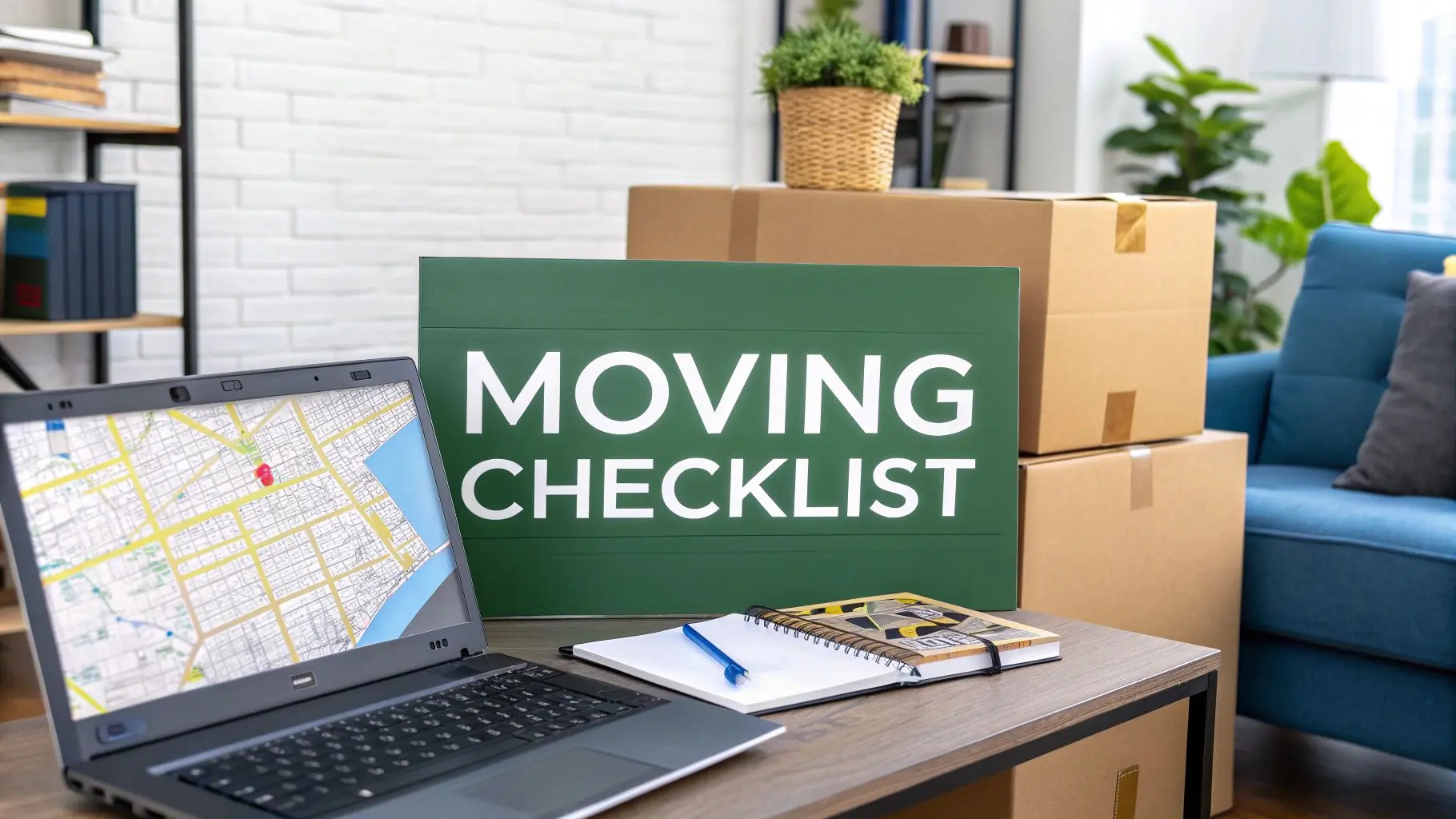
Embarking on Your Next Chapter: How to Navigate a Seamless City Move
Moving to a new city is a monumental step, filled with the promise of new experiences, career opportunities, and a fresh start. Yet, the journey from deciding to move to comfortably settling in can feel like a complex puzzle with countless moving parts. The key to a smooth transition lies in meticulous planning and organization. A well-structured timeline can transform a potentially overwhelming process into a series of manageable, actionable steps. This definitive guide breaks down the relocation journey into a clear, timeline-based moving to new city checklist.
We'll cover everything from the initial research phase months before you pack a single box, to the crucial tasks on moving day, and finally, the essential steps to make your new city truly feel like home. This comprehensive checklist is designed to provide specific, actionable insights, helping you avoid common pitfalls and ensuring you arrive in your new city prepared, confident, and ready for what's next.
Whether you're moving into a compact urban apartment or have more space to work with, our timeline-based approach addresses every critical detail. From decluttering and packing logistics to updating legal documents and setting up new healthcare, each stage is carefully outlined. You will find practical advice for budgeting your move, transferring utilities without interruption, and even tips for building a new social network from scratch. This isn't just a list of things to do; it's a strategic roadmap designed to bring order to the chaos, allowing you to focus on the excitement of starting your next chapter. Let's dive into the ultimate plan for a successful relocation.
1. Research and Choose Your New City
Long before you pack a single box, the most critical part of your moving to a new city checklist is selecting the right destination. This foundational step involves a deep dive into what your life could look like in a potential city, ensuring it aligns with your career ambitions, financial realities, and personal lifestyle. It's about moving beyond the postcard image and into the practical details of daily living.

Why This is the First Step
Choosing a city is the bedrock upon which every other decision rests. A hasty choice can lead to dissatisfaction, financial strain, or a difficult social transition. Thorough research prevents buyer's remorse on a life-sized scale, confirming that your new urban environment supports your goals, from job market viability to the weekend activities you enjoy.
How to Conduct Your Research
A comprehensive approach combines digital tools with real-world exploration. Start by defining what matters most to you, then use targeted resources to find your answers.
- Financial Analysis: Use a cost-of-living calculator like Numbeo to compare your current city's expenses with potential new ones. Factor in average salaries for your profession, rent prices, and local taxes to create a realistic budget.
- Neighborhood Vetting: Explore city guides and neighborhood rankings on sites like Niche. Once you have a shortlist, analyze walkability and transit options using Walk Score to see how you'll get around without a car.
- Community Insight: Join local Reddit communities (e.g., r/asksf, r/chicago) or city-specific Facebook groups. These forums provide unfiltered opinions from actual residents on everything from the best coffee shops to neighborhood safety.
Pro Tip: If possible, plan a long weekend trip to your top-choice city. Spend time in your target neighborhoods during the day and at night to get a genuine feel for the atmosphere, noise levels, and local culture before you commit.
2. Secure Employment or Income Source
Once you have a city in mind, the next crucial item on your moving to a new city checklist is to establish a reliable source of income. Relocating without a job lined up introduces significant financial risk and can derail your transition before it even begins. Securing employment beforehand provides the financial stability needed to cover moving costs, secure housing, and settle in without unnecessary stress.
Why This is a Critical Step
Landing a job is about more than just a paycheck; it’s about creating a smooth landing in your new environment. A confirmed offer letter is often required by landlords to approve a rental application, making it a prerequisite for finding a place to live. Furthermore, knowing your salary helps you finalize your budget, determine which neighborhoods are affordable, and plan your finances with confidence.
How to Secure Your Income
A strategic job search leverages online platforms and professional networking. Tailor your approach based on your industry and whether you're seeking remote, hybrid, or in-person work.
- Targeted Job Search: Utilize platforms like LinkedIn, Indeed, and Glassdoor to search for roles specifically in your new city. Set up job alerts and filter by location to stay on top of new postings. For remote-first roles, browse dedicated sites like FlexJobs.
- Proactive Networking: Update your LinkedIn profile to indicate you are "Open to Work" in your target city. Connect with recruiters and professionals at companies you admire in the area. Informational interviews can provide valuable insights and lead to unadvertised opportunities.
- Negotiate Relocation: When you receive an offer, don't hesitate to ask about relocation assistance. Many companies offer a stipend, a moving bonus, or reimbursement for moving expenses, which can significantly ease the financial burden.
Pro Tip: In your cover letter, clearly state your relocation plans and your target move date. This transparency shows employers you are serious and well-organized, turning a potential logistical hurdle into a demonstration of your proactive planning skills.
3. Arrange Housing and Create Housing Budget
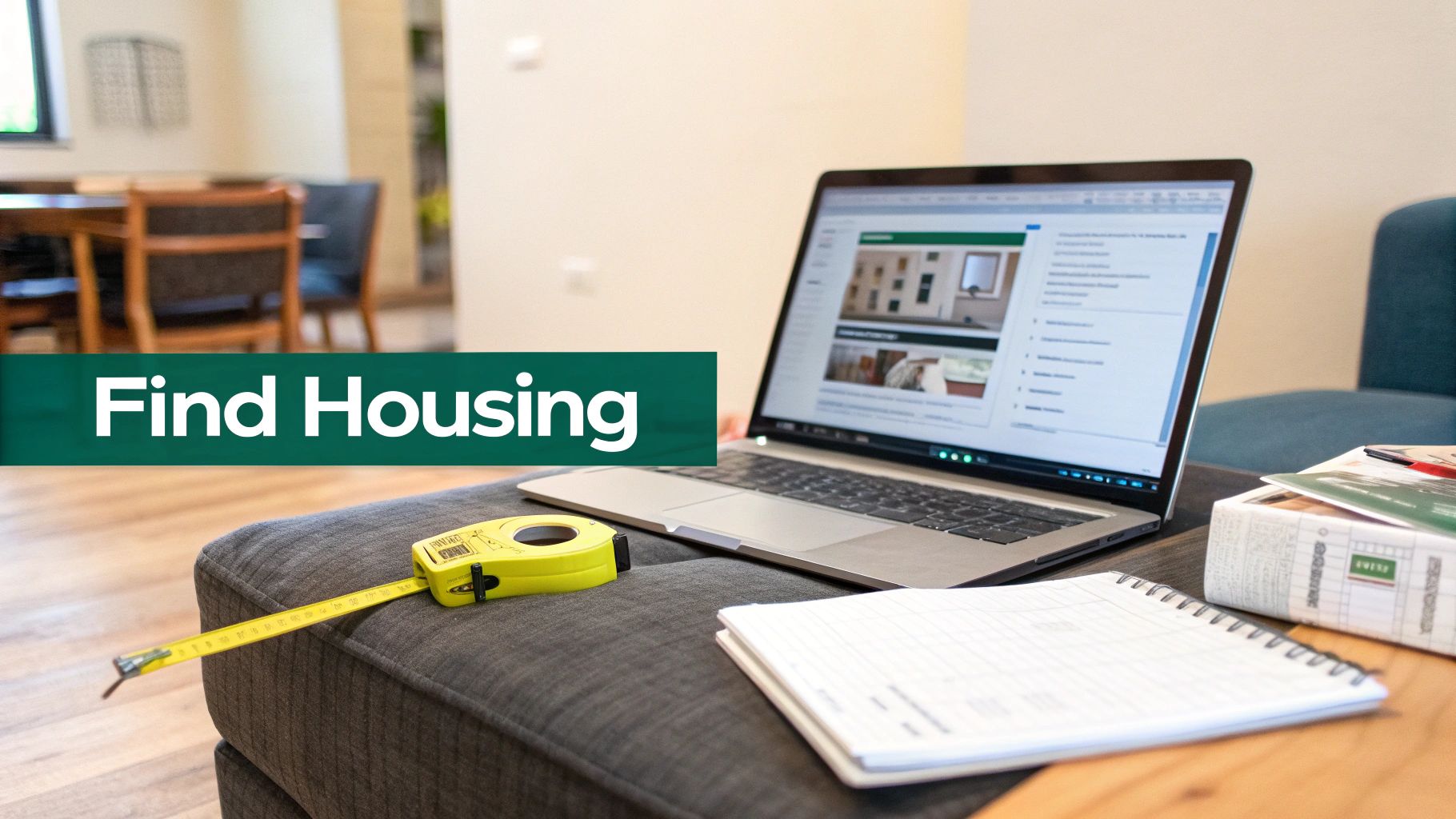
With your destination decided, the next monumental task in your moving to a new city checklist is securing a place to live. This step goes beyond simply finding a roof over your head; it involves creating a realistic housing budget that aligns with the local market and protects your financial health. Since housing is often the largest single expense, getting this right is crucial for a smooth and sustainable transition.
Why This is a Critical Step
Your choice of housing directly impacts your daily commute, social life, and overall budget. Securing a place before you move provides peace of mind and a stable foundation from which to start your new life. A well-researched housing budget prevents the stress of overextending yourself financially, ensuring you can enjoy your new city without constant money worries.
How to Find Your New Home
A multi-pronged strategy using digital tools and careful financial planning will help you find the perfect place within your means.
- Define Your Budget: Before browsing, calculate what you can afford. A common rule is to spend no more than 30% of your gross monthly income on rent. Remember to factor in initial costs like a security deposit and first and last month's rent.
- Search Smart: Use a combination of platforms to get a full view of the market. Websites like Zillow and Apartments.com are excellent for broad searches, while PadMapper can help you find listings with specific features.
- Virtual Diligence: If you can't visit in person, request live video tours via FaceTime or Zoom. Ask the agent to show you everything, including running water, opening windows, and the view from each room. Check neighborhood reviews on platforms like Yelp to understand the local vibe and potential issues.
Pro Tip: Consider booking a short-term rental through a service like Airbnb for your first month. This gives you a temporary home base, allowing you to explore neighborhoods in person and avoid the pressure of signing a long-term lease sight unseen.
4. Plan and Budget Your Moving Expenses
Once you've chosen your city, the next critical task in your moving to a new city checklist is to map out the financial journey. A detailed moving budget is your best defense against unexpected costs and financial stress. This step involves methodically accounting for every potential expense, from hiring movers to the first month's rent, ensuring you have a clear financial picture before the first box is even packed.
Why This is a Crucial Step
Moving is almost always more expensive than people anticipate. Without a comprehensive budget, you risk depleting your savings or even going into debt. A well-planned budget transforms the unknown into a predictable expense, allowing you to make informed decisions, identify savings opportunities, and allocate funds where they matter most, preventing financial surprises during an already hectic time.
How to Build Your Moving Budget
Creating an effective budget requires research and a clear understanding of the different moving options available. Start by breaking down costs into major categories to ensure nothing is overlooked.
- Get Multiple Quotes: Contact at least 3-5 moving companies like Bellhop or Two Men and a Truck to get detailed quotes. Compare full-service options, labor-only services, and DIY truck rentals from providers like U-Haul to see what fits your needs and budget best.
- Account for All Expenses: Your budget should include more than just the movers. Factor in packing supplies (boxes, tape, bubble wrap), transportation costs (gas, flights, hotels), and potential storage fees. Remember to set aside funds for initial housing costs like a security deposit and first month's rent.
- Identify Cost-Saving Opportunities: Moving during the off-peak season (mid-week, mid-month, or fall/winter) can significantly reduce costs. Aggressively decluttering before you pack lowers the volume of items you need to move, directly cutting transportation expenses. For a deeper dive into financial planning, learn more about how to estimate moving costs.
Pro Tip: Keep a detailed spreadsheet of all your estimated and actual expenses. This not only helps you stay on track but also becomes an invaluable tool for future moves. Be sure to include a 10-15% contingency fund for unexpected costs like last-minute supplies or a flat tire on the moving truck.
5. Update Legal Documents and Address
Once your moving date is set, one of the most crucial administrative tasks on your moving to a new city checklist is updating your official address and legal documents. This is a non-negotiable step that ensures continuity in your financial, legal, and civic life. Failing to do so can result in missed bills, lost mail, and even legal complications related to residency, voting, and taxes.
Why This is a Critical Step
Updating your address is about more than just getting your magazines delivered to the right place. It’s a legal requirement that officially ties you to your new residence. Government agencies like the DMV and IRS, financial institutions, and insurance providers all rely on your current address to send sensitive information and maintain compliance. A prompt update prevents identity theft risks, ensures you receive important notices, and establishes your residency in your new city.
How to Systematically Update Your Information
Tackle this task with a detailed checklist to ensure no one is missed. Start this process two to four weeks before your move to allow time for changes to take effect.
- Government and Legal: The most important updates. File an official change of address with the USPS online to have your mail forwarded. Next, check your new state’s DMV requirements; most require you to update your driver’s license and vehicle registration within 30 days of moving. Also, update your information with the Social Security Administration and the IRS.
- Financial Institutions: Notify your banks, credit card companies, investment firms, and loan providers. Most allow you to do this quickly through their online portals or mobile apps. This prevents your new cards or statements from being sent to an old address.
- Services and Subscriptions: Don't forget to update your address with your employer (for payroll), insurance providers (health, auto, life), utility companies, and any subscription services you use, from streaming platforms to monthly delivery boxes.
Pro Tip: Set up USPS Mail Forwarding as a safety net. For a nominal fee, it will redirect most of your mail for up to a year, catching any accounts you may have forgotten to update directly. This gives you a buffer to make all necessary changes without missing crucial correspondence. To get a detailed guide, you can learn more about how to change your address when moving on endless-storage.com.
6. Set Up Utilities and Essential Services
Walking into your new apartment only to find the lights don't work and there's no running water is a moving day nightmare. Arranging for utilities and essential services ahead of time is a crucial part of your moving to a new city checklist. This step ensures your new home is habitable and comfortable from the moment you arrive, preventing unnecessary stress and logistical headaches.
Why This is an Essential Step
Coordinating utilities is about more than just convenience; it's about a seamless transition. Many providers, especially in dense urban areas, require appointments and may have a backlog of service calls. Scheduling in advance guarantees that essentials like electricity, water, gas, and internet are active on day one, allowing you to focus on unpacking rather than scrambling to get connected.
How to Coordinate Your Services
Begin this process about a month before your move to allow ample time for scheduling and account setup. A systematic approach ensures no service is overlooked.
- Identify Local Providers: Research the companies that service your new address for electricity, natural gas, water, sewer, and trash removal. Your landlord or building management can typically provide this information. For internet, use a comparison tool like BroadbandNow to see which providers (e.g., Comcast, Verizon, AT&T) offer the best speeds and prices in your area.
- Schedule Activation and Deactivation: Contact both your new and old utility providers. Schedule the shut-off at your old residence for the day after you move out and the activation at your new home for the day you move in.
- Handle Account Details: Be prepared to pay a deposit, which is common for new customers. Provide a forwarding address to your old providers so the final bill can reach you. For more guidance, learn more about how to transfer utilities to ensure a smooth switch.
Pro Tip: When scheduling your internet installation, request the earliest possible morning appointment on your move-in day. This minimizes the chance of delays and ensures you have Wi-Fi up and running to help with move-in logistics, entertainment, and staying connected.
7. Build Social Connections and Local Network
Beyond the logistics of boxes and utilities, a crucial part of your moving to a new city checklist is proactively building a social foundation. Integrating into a new community is essential for combating loneliness, establishing a support system, and feeling truly at home. This step involves intentionally creating connections, both personal and professional, before you even arrive and continuing the effort long after you've unpacked.
Why This Step Is Crucial
Moving can be an isolating experience, and waiting for friendships to happen organically can take a long time. Purposefully building a network from day one accelerates your integration and significantly boosts your long-term happiness and mental well-being. A strong social circle provides emotional support, professional opportunities, and local knowledge that you can't find in a guidebook.
How to Build Your Network
Combine digital platforms with real-world activities to cast a wide net. Start by exploring your interests and leveraging them to meet like-minded individuals.
- Pre-Move Digital Networking: Join local Facebook groups for your new neighborhood or for specific hobbies (e.g., "Chicago Runners," "Denver Board Gamers"). These communities are great for asking questions and getting a feel for the local culture before you arrive.
- Interest-Based Groups: Use platforms like Meetup.com to find groups centered around your interests, from hiking and book clubs to tech talks and language exchanges. Attending an event is a low-pressure way to meet new people.
- Hyper-Local Engagement: Be a "regular" somewhere. Frequent the same coffee shop, dog park, or library. Introduce yourself to your immediate neighbors and attend neighborhood block parties or community center events.
- Friendship-Focused Apps: Don't shy away from apps designed for making friends. Tools like Bumble BFF allow you to connect with others in your area who are also actively looking to build their social circle.
Pro Tip: Volunteer for a local nonprofit or cause you care about. It’s an excellent way to meet people who share your values while making a positive impact on your new community, creating a deep sense of connection and purpose.
8. Research Healthcare Providers and Register
Amid the chaos of packing and logistics, one of the most vital tasks on your moving to a new city checklist is securing your health and wellness foundation. Establishing care with new doctors, dentists, and specialists before you need them is crucial for a seamless transition. This proactive step ensures continuity of care, prevents stressful searches during an illness, and makes your new city feel like home faster.
Why This is a Crucial Step
Waiting until a medical issue arises to find a doctor in an unfamiliar city is a recipe for anxiety. By researching and registering with providers ahead of time, you gain peace of mind knowing exactly where to go for routine checkups or urgent needs. It allows you to make informed choices based on reviews and credentials rather than rushed decisions based on proximity or immediate availability during an emergency.
How to Establish Your New Healthcare Network
A multi-pronged approach using digital tools and direct communication will help you build your new medical support system efficiently. Start by confirming your insurance coverage and then identify the right professionals for your needs.
- Verify Insurance and Find Providers: First, confirm that your current health insurance plan offers coverage in your new location. If you need a new plan, it's important to note that moving often counts as an insurance qualifying life event, which can trigger a special enrollment period. Use platforms like Zocdoc or your insurer’s online portal to find in-network primary care physicians, dentists, and specialists.
- Transfer Medical Records and Prescriptions: Contact your current providers to have your medical records sent to your new doctor's office. For prescriptions, ask your current pharmacy to transfer them to a new, convenient location near your home or work. This ensures your new team has a complete health history.
- Locate Emergency and Urgent Care: Don't wait for an emergency to happen. Research the highest-rated hospitals and locate the nearest 24-hour urgent care facilities. Save their addresses and contact information in your phone for quick access.
Pro Tip: Schedule an initial "new patient" appointment with your primary care physician within the first month of your move. This visit helps establish a baseline of your health, officially gets you into their system, and builds a rapport before any urgent medical needs arise.
9. Declutter and Downsize Your Belongings
One of the most impactful items on your moving to a new city checklist is to intentionally reduce your possessions before you start packing. Decluttering isn't just about tidying up; it's a strategic move that directly cuts moving costs, saves you from transporting items that won't fit your new life, and simplifies the entire unpacking process. It offers a clean slate, ensuring you only bring what you truly need and love into your new space.
Why This is a Crucial Step
Moving is priced by weight and volume, so every book, piece of furniture, and box of old decorations adds to the final bill. Why pay to move a bulky armchair that won't fit through your new apartment's doorway or boxes of seasonal items you haven't used in years? Downsizing gives you the freedom of a fresh start and prevents your new home from becoming cluttered before you've even settled in.
How to Systematically Downsize
Begin this process at least two months before your move date to avoid a last-minute rush. Adopt a methodical approach to sort through your belongings efficiently. For a more detailed guide, you can explore our resources on how to declutter before moving.
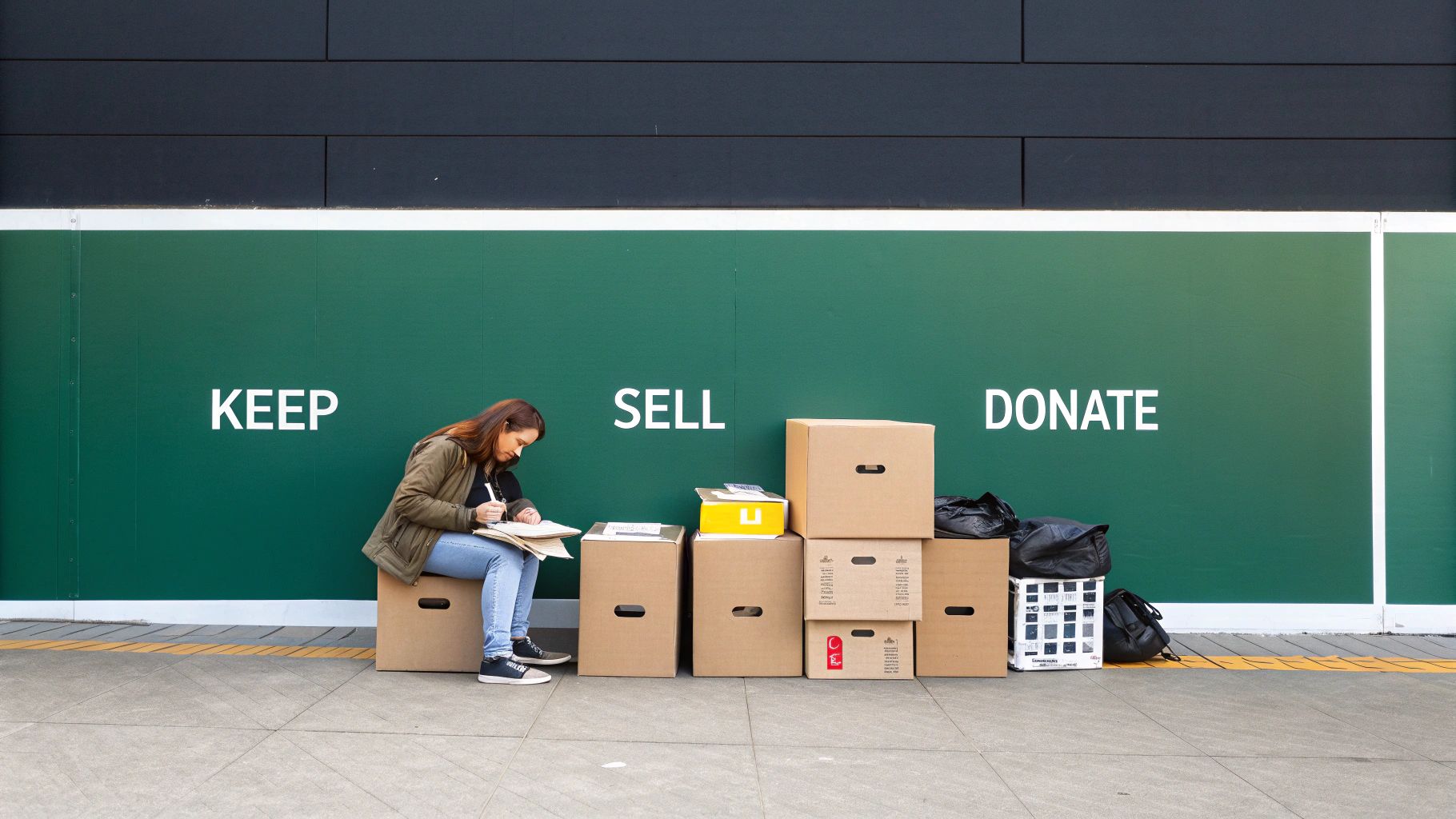
- The Four-Box Method: Set up four designated areas or boxes labeled: Keep, Sell, Donate, and Discard. Tackle one room at a time, and be decisive as you sort each item into a category.
- Sell Strategically: For items you wish to sell, platforms like Facebook Marketplace or eBay are excellent. Take clear, well-lit photos and price items competitively for a quick sale. The cash you earn can help offset moving expenses.
- Donate and Discard Responsibly: Schedule a pickup with organizations like Goodwill or The Salvation Army for larger donations. For electronics, find a local e-waste recycling program, and remember to shred any sensitive documents before discarding them.
Pro Tip: Measure the doorways, hallways, and room dimensions of your new home before deciding to keep large furniture. This simple step can save you from the major headache of moving an item that ultimately won't fit.
10. Create and Execute a Moving Timeline and Checklist
A successful move is a well-managed project, and the cornerstone of any good project is a detailed timeline. Creating a moving timeline and checklist transforms the overwhelming mountain of tasks into a series of manageable, weekly goals. This structured approach is a core component of any effective moving to a new city checklist, preventing the last-minute panic that leads to forgotten tasks and unnecessary stress.
Why This is a Critical Step
Without a plan, moving becomes a chaotic scramble. A timeline provides clarity and momentum, ensuring that critical deadlines, like booking movers or transferring utilities, are met well in advance. It distributes the workload over several weeks, making the process less physically and mentally draining. This strategic planning is the difference between a smooth transition and a frantic, exhausting experience.
How to Build Your Moving Timeline
Your timeline should be tailored to your specific situation, but most follow a similar reverse-chronological structure from your moving day. Start by listing every single task you can think of, then assign each one to a specific week.
- Choose Your Timeline: A standard move often uses an 8-week timeline. For more complex or long-distance moves, a 12-week plan offers more breathing room. If you're in a hurry, a condensed 4-week emergency timeline can help you prioritize the absolute essentials.
- Use Digital Tools: Leverage project management apps like Trello or Asana to create digital checklists. You can set due dates, add notes, and share the plan with roommates or family members. A simple Google Sheet also works perfectly for tracking progress.
- Categorize and Conquer: Group related tasks together. For example, dedicate one week to "Housing Logistics" (signing the lease, setting up utilities) and another to "Decluttering and Donations." For a detailed plan, exploring the ultimate moving checklist for a stress-free guide can assist significantly in your preparations.
Pro Tip: Build a "buffer week" into your schedule about two to three weeks before the move. This extra time is invaluable for catching up on any delayed tasks or handling unexpected problems without derailing your entire plan. Learn more about creating a moving checklist and timeline on endless-storage.com.
10-Point New City Move Checklist Comparison
Welcome Home: Thriving in Your New Environment
The last box is unpacked, the utilities are connected, and the moving truck has long since departed. You've successfully navigated the intricate logistics of relocating, a monumental achievement in itself. This comprehensive moving to new city checklist was designed to guide you through every stage, from the initial eight-week countdown to the final push of moving day. But the journey doesn't conclude here; it transitions into its most rewarding phase: transforming your new address into a genuine home and weaving yourself into the fabric of your new community.
This final chapter is less about checklists and more about embracing the adventure of a new beginning. Give yourself the grace and time to settle. It's completely normal to feel a mix of excitement and disorientation. The goal now is to build routines, cultivate connections, and rediscover the sense of belonging that makes a place feel like home.
Recapping Your Journey: The Foundation You've Built
Let’s quickly revisit the critical pillars you've already established by following this guide. You didn't just move your belongings; you strategically planned an entirely new life chapter.
- Strategic Planning: From researching neighborhoods and securing housing to meticulously budgeting for every expense, you laid a solid financial and logistical foundation. This foresight prevents future stress and allows you to focus on enjoying your new city.
- Logistical Mastery: You tackled the complex tasks of updating legal documents, forwarding mail, and setting up essential services before they became last-minute emergencies. This proactive approach ensures a seamless transition into your daily life.
- Intentional Downsizing: By decluttering and downsizing, especially for a smaller urban apartment, you made a conscious choice to bring only what adds value to your life. This wasn’t just about saving space; it was about starting fresh, unburdened by the unnecessary.
These steps were the scaffolding. Now, it's time to build the life you envisioned within that framework.
Actionable Next Steps: From Surviving to Thriving
The immediate post-move period is about actively engaging with your new environment. Don't wait for the city to come to you; go out and meet it.
1. Become a Neighborhood Regular:
Your first month is the perfect time to explore your immediate surroundings on foot. Identify your "spots." Find the coffee shop with the best latte, the park with the quietest benches, and the grocery store with the freshest produce. Becoming a familiar face in these places is the first step toward feeling like a local.
2. Say 'Yes' to Social Invitations:
Whether it’s a casual happy hour invitation from a new coworker, a neighborhood block party, or a flyer for a local hobby group, make an effort to say 'yes'. Pushing past the initial discomfort of meeting new people is crucial for building the social network that will sustain you.
3. Re-establish Your Routines (and Create New Ones):
Did you have a favorite weekly yoga class or a Sunday morning jogging route in your old city? Find their equivalents in your new one. Re-establishing familiar routines provides a sense of stability. At the same time, be open to creating new traditions that are unique to your new home. Maybe it’s visiting a local farmers' market every Saturday or trying a new restaurant every Friday night.
4. Continue to Personalize Your Space:
Unpacking is one thing; decorating is another. Take the time to hang pictures, arrange furniture in a way that feels right, and add personal touches. This is the process that turns a generic apartment into your personal sanctuary. If you find that certain items you moved don’t fit the new layout or are seasonal (like bulky winter coats or holiday decorations), don’t let them clutter your precious city living space.
Key Insight: The final step of any successful move is optimizing your new space for comfort and function. This often means finding a smart solution for the items that made the cut during decluttering but don't have a place in your day-to-day life.
Embracing this settling-in process is what solidifies your decision and turns a stressful upheaval into a life-affirming adventure. Remember the excitement and the reasons that propelled you to make this change. Every new street explored and every new acquaintance made is a step toward building a vibrant, fulfilling life in your chosen city. You have followed the moving to new city checklist to the letter; now, it’s time to write the next chapter.
Still navigating the puzzle of fitting everything into your new urban space? Don't let clutter dictate your comfort. Endless Storage offers a modern, box-by-box storage solution perfect for city dwellers, allowing you to store seasonal items or belongings you're not ready to part with, freeing up valuable square footage. Visit Endless Storage to see how easy it is to create the organized, spacious home you deserve.