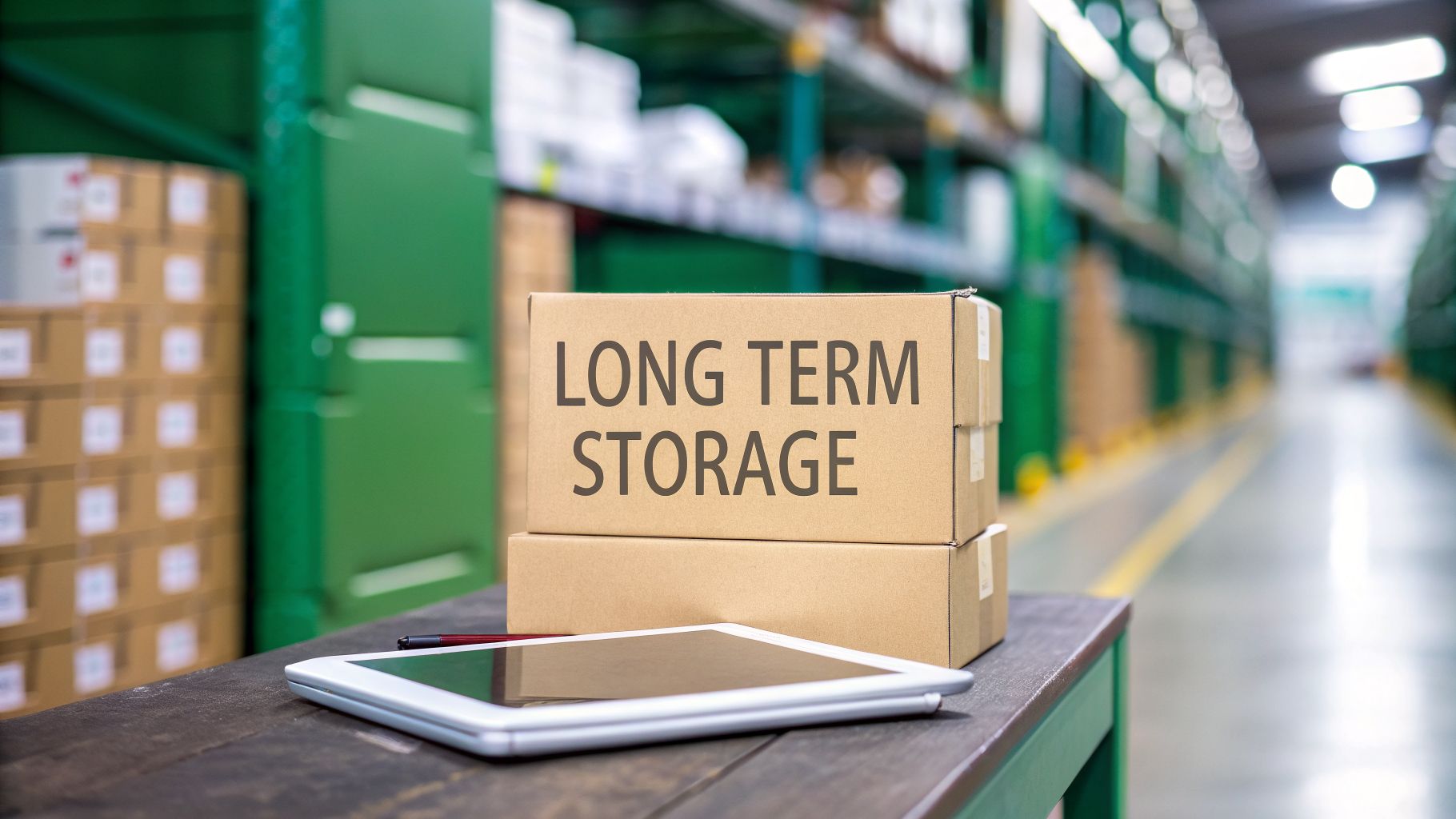
Staring at clutter but dreading the thought of hauling boxes to a remote facility? You're not alone. Modern storage services are completely changing the game, moving beyond the old self-storage model with options that handle all the logistics for you, from pickup to on-demand return.
Rethinking Long Term Storage for Modern Living
The days of renting a truck, buying mountains of packing supplies, and losing a weekend moving things into a distant storage unit are quickly fading. Today, the idea of long term storage is shifting to fit our increasingly urban and mobile lives. It’s no longer just about stashing away old furniture; it’s a flexible tool for creating space and simplifying life’s transitions.
This change is happening for a clear reason. As cities get more crowded and our living spaces shrink, the demand for smart, accessible storage is exploding. The global self-storage market actually hit more than $58 billion in 2024 and is expected to grow to over $72 billion by 2029. This trend points to a major shift toward services that offer more than just a locked door.
The Rise of On-Demand Storage
Picture this: you need to store seasonal clothing, sentimental items, or work documents for a few months. Instead of guessing what size unit you need and doing all the heavy lifting, a modern service sends you perfectly sized boxes. You pack on your own schedule, and when you’re ready, they pick everything up right from your doorstep.
Modern storage is less about a physical place and more about a service. It's about reclaiming your time and space with a system that works for you, not the other way around.
This box-by-box approach is a game-changer. Here’s a quick comparison of old-school self-storage units and innovative services that handle the logistics for you.
Traditional Self-Storage vs Modern On-Demand Storage
| Feature | Traditional Self-Storage | Modern On-Demand Storage |
|---|---|---|
| Convenience | You transport all items to the unit yourself. | Items are picked up from your home and delivered back on request. |
| Cost Structure | Pay a flat monthly fee for a fixed-size unit, even if it's half-empty. | Pay only for the boxes or items you store. |
| Access | You must travel to the facility to access your belongings. | Request specific boxes online for delivery to your door. |
| Security | Varies by facility; climate control often costs extra. | Secure, climate-controlled facilities are standard. |
| Flexibility | Locked into a specific unit size and location. | Scale storage up or down easily; manage everything online. |
The differences are pretty stark. On-demand services are built for how we live now, offering a much more tailored experience.
This service-first model is perfect for anyone looking to declutter, navigate a move, or simply make room in a small apartment without the usual hassle. It offers a practical, stress-free way to keep your belongings safe for months or years, all with just a few clicks. The ability to request a single box back is a key part of what makes these flexible storage solutions so appealing.
Deciding What to Store and What to Let Go
Before you even think about packing a single box, you need to do a thoughtful purge. This is honestly the most important step for getting long term storage right. Skipping this part almost always means you'll end up paying to store stuff you don't even need—a common mistake that can easily cost you hundreds over time.
An easy way to tackle this is the Four-Box Method. Just set up four different zones or grab four big boxes and label them:
- Keep: For everything you use regularly and need at home.
- Store: For items you don’t need right now but definitely want to save for later.
- Donate: For things in good shape that someone else could get use out of.
- Discard: For anything broken, expired, or just plain unusable.
This simple sorting system forces you to make a decision on the spot for every single item, which helps you avoid that classic "I'll deal with this later" pile. If you want to dive deeper into decluttering, our complete guide to decluttering your home is a great resource.
Identifying What Belongs in Long Term Storage
Now, let's focus on that "Store" box. This isn't just a catch-all for random clutter. It’s for specific things that actually make sense to keep in storage.
For example, think about a college student coming home for the summer. They won’t need their mini-fridge, desk lamp, or textbooks, but they’ll absolutely need them again in the fall. Those are perfect candidates for storage. Or, consider a family downsizing their home. They might need to store heirloom furniture or sentimental photo albums that won't fit in the new place but are far too precious to let go of.
This visual decision tree can help you figure out if a self-storage unit or an on-demand service is a better fit for you, based on one key question.
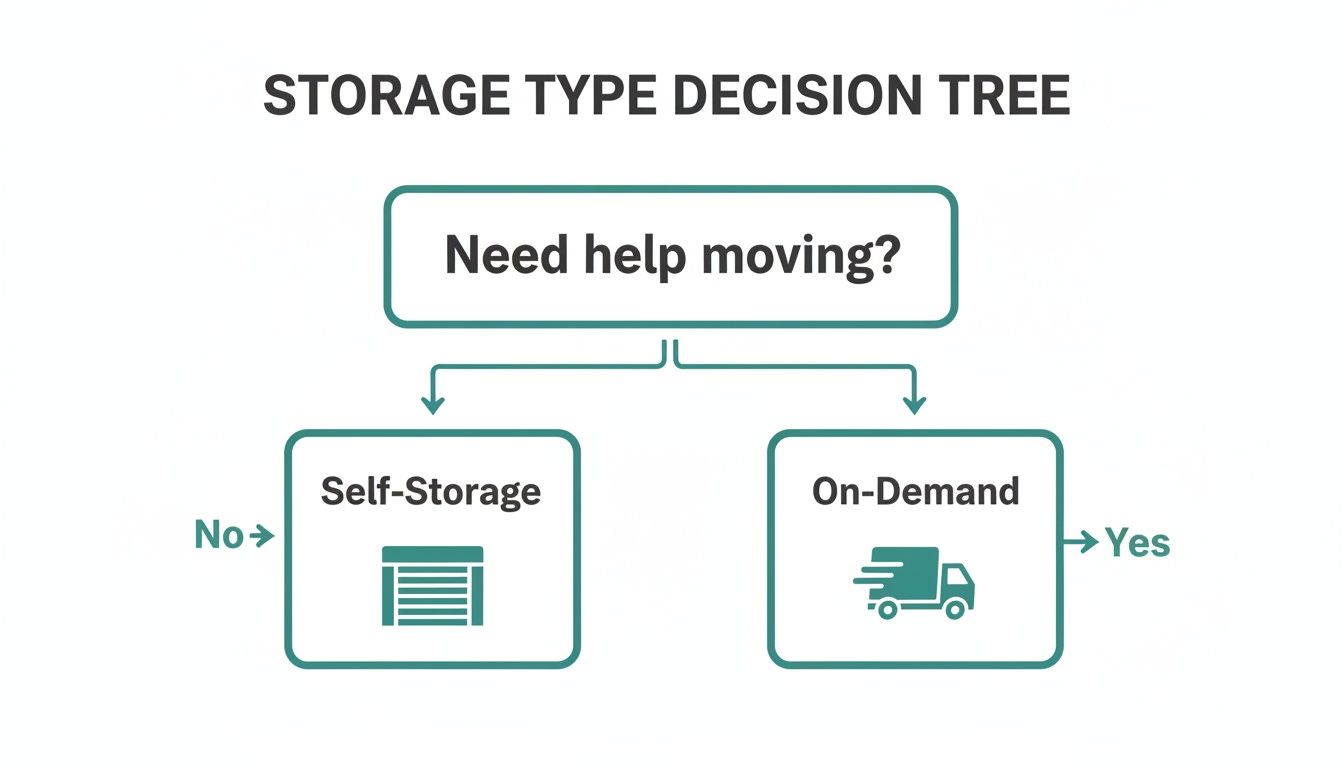
As the infographic shows, whether you need help with the moving process is a major factor when choosing between traditional self-storage and a more modern, on-demand service.
Items You Should Never Put in Storage
Knowing what to store is important, but knowing what not to store is just as critical. Storing prohibited items can lead to damaged belongings, pest problems, or even getting your storage agreement terminated. It’s a risk that’s just not worth taking.
Always remember that a storage facility is not a secure vault for anything and everything. Certain items pose a risk to your other belongings and the facility itself.
Here’s a quick list of things that should never go into a long term storage unit:
- Hazardous Materials: This includes things like paint, chemicals, gasoline, propane tanks, and fireworks.
- Perishable Food: Any kind of food, even canned goods, is a magnet for pests and will eventually spoil.
- Living Things: This one should be obvious—no plants and definitely no animals.
- Irreplaceable Documents: While you can store copies, keep originals like passports, birth certificates, and social security cards somewhere secure and accessible, like a safe deposit box.
By sorting your belongings with care and following these simple rules, you'll set yourself up for a much smoother and more cost-effective storage experience. You’ll only pay for the space you truly need and can have peace of mind that your valuables are stored safely and properly.
Packing Your Belongings to Last for Years

Packing for a weekend trip is one thing, but getting your belongings ready for long-term storage is an entirely different game. When items are sealed away for months or even years, things like dust, moisture, and pressure can cause real, irreversible damage. Taking the time to pack correctly now is the single best way to make sure everything comes back to you in the exact same condition.
It all starts with your supplies. It’s tempting to grab free boxes from a grocery store, but their random sizes and unknown history—think pests or moisture—make them a risky choice. Your best bet is to invest in new, sturdy boxes that are all the same size.
This uniformity is more important than you might realize. Identical boxes stack into a solid, stable wall, which prevents the structure from shifting and crushing the items at the bottom. It’s a simple trick that maximizes your space and protects your belongings from damage caused by uneven weight.
Your Essential Packing Toolkit
To give your items the best protection, you'll need a bit more than just cardboard. Think of this as your go-to survival kit for long-term storage.
- Quality Boxes: Always use new, uniformly sized moving or shipping boxes.
- Packing Tape: Get the good stuff. You’ll want strong, wide packing tape to securely seal every seam on the top and bottom.
- Acid-Free Packing Paper: Standard newspaper ink can bleed onto your items over time. Acid-free paper is a must for wrapping delicate heirlooms, photos, and artwork.
- Bubble Cushioning: This is non-negotiable for fragile items like glassware, ceramics, or electronics.
- Vacuum-Sealed Bags: These are a game-changer for clothes and linens. They save a huge amount of space and create an airtight seal against moisture and moths.
- Furniture Covers: Use breathable covers for sofas and mattresses. They keep the dust off while allowing air to circulate, unlike thick plastic wraps that can trap moisture and cause mildew.
Gathering all of this before you start makes the whole process feel much less chaotic. It's a small upfront investment that truly pays off down the road.
Pro Packing Strategies for Longevity
What you pack with is important, but how you pack is just as critical. When it comes to furniture, always disassemble what you can. Take the legs off tables and chairs, wrap them individually, and put all the screws and hardware in a labeled Ziploc bag. Then, tape that bag securely to the main furniture piece. This avoids creating awkward shapes that get damaged easily and saves a surprising amount of space.
Electronics and appliances need some extra attention. Make sure to clean and dry them thoroughly before they go into a box. A few stray crumbs in a toaster can be an open invitation for pests, so it’s worth being meticulous. Power everything down, and if you still have them, use the original boxes—they were designed to protect those specific items perfectly.
A critical but often overlooked step is cleaning everything before it goes into storage. Dust and organic residues can degrade materials and attract pests over the years, turning a minor oversight into a major problem.
To really make sure your clothes withstand the test of time, you have to master how to store clothes long term by preparing them correctly before they're packed away. Our guide on how to pack clothes for storage also dives into specific tips to keep them fresh and ready to wear, no matter how long they've been stored.
How Climate Control Protects Your Valuables
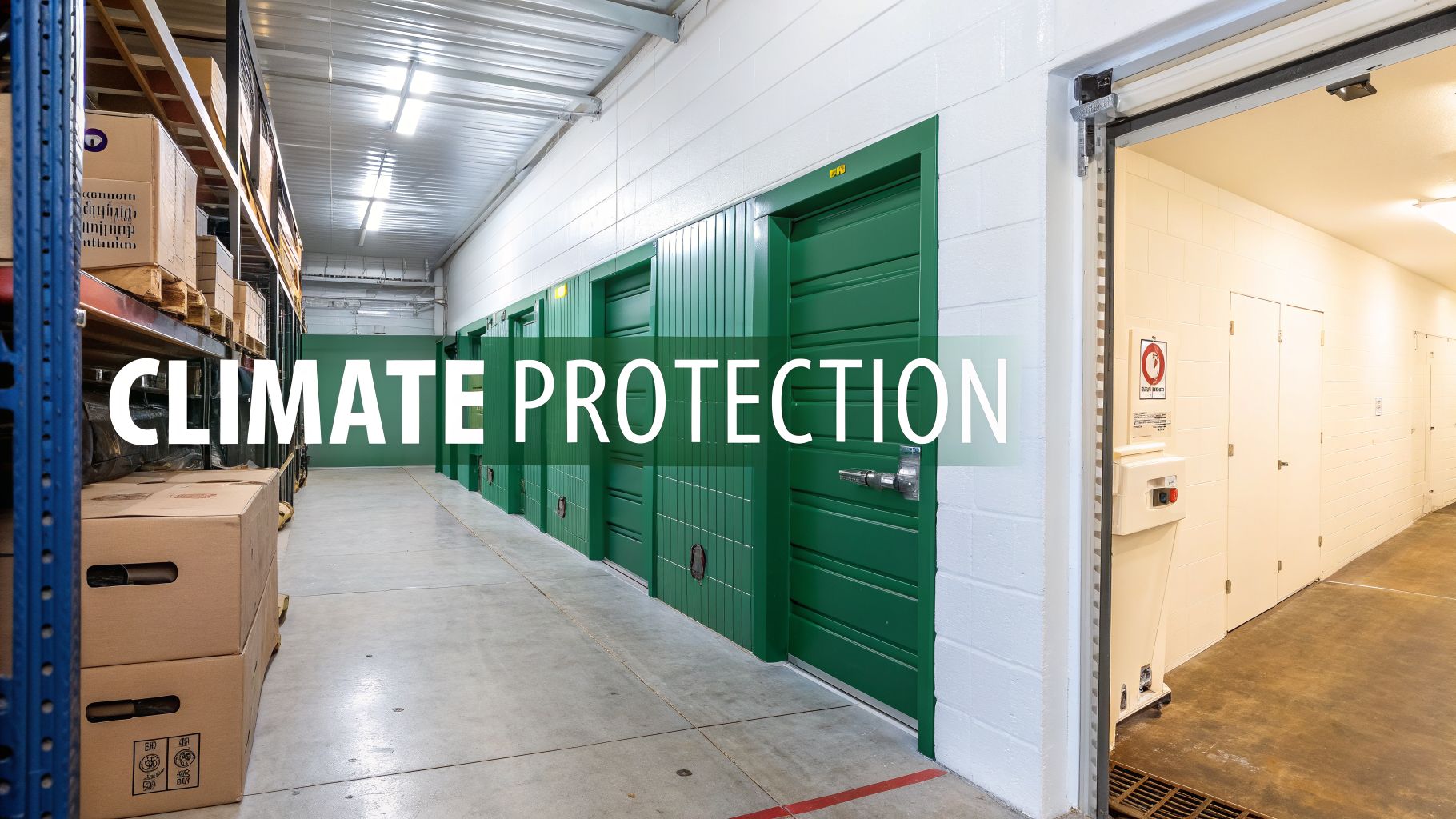
When you're preparing for long term storage, it's easy to get caught up in the packing and labeling. But the environment where your items will live is just as crucial. Extreme heat, cold, and humidity are the silent destroyers of stored belongings, making climate-controlled storage far more of a necessity than a luxury.
Think about the difference between a standard garage and a professional facility. A garage can swing from scorching hot in the summer to freezing cold in the winter. That constant expansion and contraction is exactly what causes wooden furniture to crack, delicate electronics to fail, and the adhesives in old photo albums to give up.
The Dangers of an Unstable Environment
Without stable conditions, your belongings are at risk. The damage isn't always obvious right away; it often creeps in over months, becoming irreversible by the time you discover it.
Here’s a look at how those environmental shifts can wreak havoc:
- Wooden Furniture: When humidity fluctuates, wood swells and shrinks. This leads to warped table tops, cracked legs, and loosened joints that can ruin an heirloom piece.
- Electronics: Extreme cold can make internal components brittle and prone to breaking. On the other hand, heat and humidity invite corrosion on sensitive circuits and connections.
- Artwork and Photos: High humidity is a breeding ground for mold and can cause canvases to sag. Heat can make your precious family photos stick together in a single, faded block.
- Documents and Books: Moisture is the enemy of paper. It turns pages yellow and brittle and can quickly lead to mold or mildew, destroying important records or your favorite books.
This is precisely why understanding your guide to climate control storage is so important. It helps you make a smart choice to shield your items from these hidden threats.
Choosing a Stable and Secure Facility
The value of a professionally managed facility goes beyond just regulating the temperature. A well-run storage service is also your best defense against pests. Garages and sheds are prime real estate for insects and rodents looking for shelter, but professional facilities are built and maintained to keep them out.
You can add another layer of protection yourself by using sealed plastic bins and making sure every single item is thoroughly cleaned and free of any food residue before it gets packed away.
Opting for a climate-controlled facility isn't just about avoiding temperature swings; it's about investing in a stable, secure, and pest-free environment that preserves the condition of your belongings for years to come.
As you look for a place, remember that the quality of management matters. A reputable, professionally managed service is a much smarter decision for anyone seeking stable and reliable long term storage. Ultimately, the right environment ensures your valuables return to you exactly as you remember them.
Create a Smart Inventory for Easy Retrieval
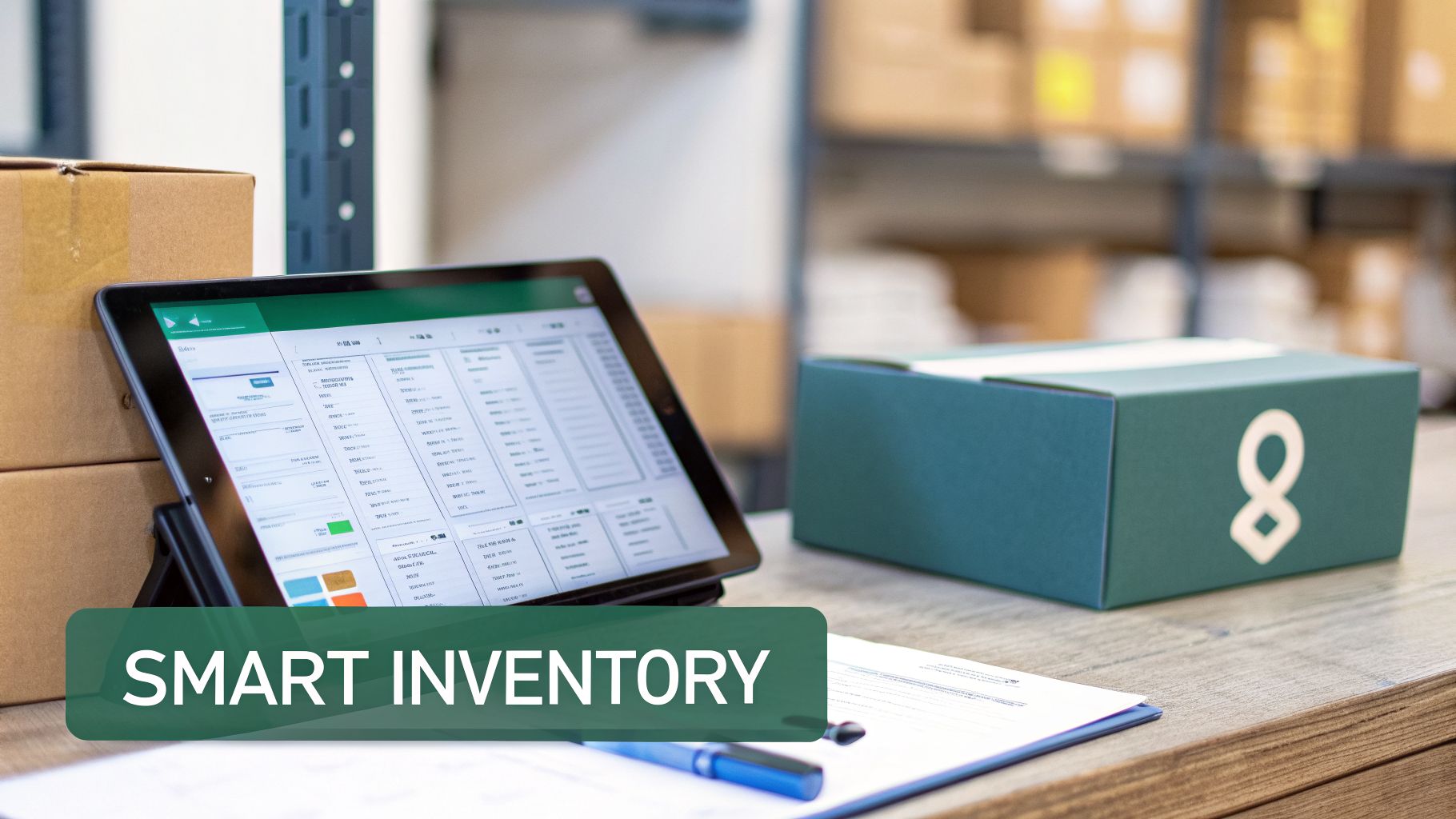
After you've packed up your belongings, there’s one more step that will save you from a massive headache later. Taking the time to create an organized inventory is the single best thing you can do to keep track of your items and get them back without any stress. Trust me, future you will be grateful.
The idea is to build a simple tracking system that connects your physical boxes to a digital list. You don't need fancy software—a basic spreadsheet or a notes app on your phone works just fine. The real key is just being consistent.
Build Your Digital Inventory
First, open up a new spreadsheet and set up a few columns. This list will become your personal search engine for everything you've put into long term storage.
- Box Number: Give every single box its own unique number. Think simple, like Box #01, Box #02, and so on.
- Location/Room: Jot down which room the items came from (e.g., Kitchen, Master Bedroom Closet).
- Contents: List the main items inside. Be specific enough to be helpful—"Winter Coats and Scarves" is much more useful than just "Clothes."
- Photo: For anything valuable, snap a quick picture and link to it in your spreadsheet. This is a lifesaver for insurance claims or just for jogging your memory down the road.
If you’re cataloging a lot of items, our home inventory checklist template is a great resource to get you started.
Sync Your Labels with Your List
Now it’s time to connect the physical boxes to your digital list. Grab a permanent marker and write the unique box number in large, clear print on at least two sides of each box. I also recommend adding a quick, two-word description like "Kitchen Gadgets" or "Office Files."
This simple system is surprisingly powerful. The number points you directly to the detailed entry in your spreadsheet, while the label gives you a quick clue of what's inside without having to pull out your phone.
An inventory isn't just a list; it's your remote control for your belongings. It empowers you to know exactly what you have and where it is, even when it's miles away.
This method really proves its worth when you use an on-demand storage service. Picture this: you need your ski gear for a last-minute trip. Instead of driving to a storage unit and digging through a stack of identical boxes, you just check your inventory, find "Box #17 - Ski Gear," and request its return online. It completely changes how you access things in long term storage.
Choosing the Right Long Term Storage Service
You’ve expertly packed everything and created a digital inventory. The final piece of the puzzle is picking a service that actually protects your investment. This choice impacts not just the safety of your belongings, but also your wallet and overall peace of mind. It’s time to look beyond traditional self-storage units to modern on-demand services, which offer a much smarter approach for long term storage.
The biggest draw? A more efficient cost structure. Instead of paying a flat monthly fee for a large, half-empty unit—a common problem if you just have a few seasonal or bulky items—you only pay for the exact space you use. This box-by-box model cuts out the waste, ensuring your money goes toward securing your belongings, not empty air.
Key Features of a Modern Storage Service
When you start comparing options, you'll find some features are simply non-negotiable. These are the tell-tale signs of a high-quality service built for how we live today.
Make sure any provider you consider includes these essentials as part of their standard offer:
- Built-in Insurance: Your items need protection from the second they leave your home. A trustworthy service will offer a baseline insurance plan and give you the option to add more coverage for high-value items.
- Climate Control: As we've covered, this isn't a luxury—it's a necessity. A stable environment is what stops temperature and humidity from ruining your things, and it should be a standard feature, not a pricey add-on.
- Seamless Logistics: The service should do the heavy lifting for you. This means they provide free, durable packing kits and handle pickup and delivery right from your doorstep.
- Online Management: A simple online portal is your command center. It should let you see your inventoried items and request a single box back with just a few clicks.
As you weigh your options, a complete guide to available storage solutions can help you see the full picture and make an informed decision.
The right service isn't just a place to keep your things; it's a partner that simplifies the entire process. Flexible, month-to-month contracts and transparent pricing are key indicators of a customer-focused company.
Ultimately, going with an on-demand service gives you back control. It keeps your belongings safe in a professional facility while offering the flexibility to adapt as your needs change, which is the key to a stress-free long term storage experience.
Common Questions About Long Term Storage
When you're putting your belongings into storage for the long haul, a few questions always seem to pop up. Getting the right answers from the get-go can save you a world of headache and protect your stuff from damage.
When Is Climate-Controlled Storage Necessary?
Honestly, if you're storing anything for more than a couple of months, or if the items are even slightly sensitive, climate control is a must. Think about your wood or leather furniture, electronics, and musical instruments. Even artwork, family photos, and important documents are at risk.
Extreme heat, cold, or humidity can wreak havoc over time, leading to warped wood, cracked leather, rusted metal, and the dreaded mildew. It's a small price to pay for peace of mind.
What Is the Biggest Mistake People Make?
I see it all the time: improper packing. It's easily the most common and damaging mistake. People will grab old, beat-up boxes from the grocery store or just forget to properly wrap their fragile items. This inevitably leads to crushed boxes and broken belongings down the line.
Another huge error is skipping the inventory. You might think you'll remember what's in every box, but six months later, finding one specific item can feel like a hopeless treasure hunt that requires unpacking everything.
A pickup and delivery storage service is absolutely worth it, especially for those in cities or without a large vehicle. It eliminates the logistical hassle of renting a truck and doing all the heavy lifting.
Think about it—a service that brings you sturdy boxes, picks everything up from your door, and returns items on demand is a massive time-saver. For many people, it ends up being more convenient and even more affordable than a traditional self-storage unit. This modern approach to long term storage truly streamlines the whole process from start to finish.
Ready to declutter without the hassle? With free packing kits, climate-controlled facilities, and on-demand returns, Endless Storage makes long term storage simple. Find out how easy it is to get started at Endless Storage.
Frequently Asked Questions
Unveiling the Secrets to Effortless Storage
Endless Storage is available nationwide. You pick a plan, tell us where to pickup, and we'll send a UPS van to collect, whichever state you're in.
Your shipping label will be sent to your email within a few minutes, if not instantaneously. It can also be accessed through your customer profile.
Your box will be shipped to one of our climate controlled self storage facilities in our closest self storage facility. Our manager will accept your package, notify you that your box has been received, and securely stored. Only our managers will have access to Endless Storage boxes.
Email us at admin@endless-storage.com click to live chat with us, or send us a message below.
Never! We're committed to transparent pricing with no surprises. You'll lock in your rate with no hidden fees and no long-term contracts.
Fast access guaranteed! Your boxes will arrive at your doorstep within 48 hours of requesting them back. Need to check on delivery? We provide tracking information for complete peace of mind.
Totally flexible! Store month-to-month with no long-term commitment and cancel anytime.
Everything's online! Use your account dashboard to:
• Set up automatic monthly payments
• Request box returns
• Update your address
• Order additional boxes
• Track shipments
Your boxes are insured up to $100 each. Our customer service team will help you file any necessary claims and resolve issues quickly.
Don't worry – we'll email you right away if there's a payment issue. Your items stay safe, though you may have temporary service interruption or late fees until payment is resolved.
When you request our free storage kits, you'll have 30 days to send in your boxes to activate your 3 months of free storage. Think of it like starting a gym membership – your activation window begins when you receive your kits, and your full free trial begins once you send in your first box. During your free months, you'll experience our complete storage service at no cost.
Your 30-day activation window begins when you receive your storage kits. We'll send you an email confirmation when your kits are delivered, marking the start of your activation period.
If you haven't sent any boxes for storage within your 30-day activation window, your free trial will expire and we'll begin charging the regular monthly rate of $9.99 per box. This helps ensure our storage kits go to customers who are ready to use our service.
A box costs $9.99 per month to store (plus sales tax). This price includes free shipping for standard boxes under 50 lbs. and smaller than 16"x16"x16"
Log into your Endless Storage account, locate the box you would like returned, and simply click Return My Box.
Yes, each box stored with us is insured for up to $100 throughout transit as well as the duration of storage within our facilities.
Your box will be at your doorstep within 48 hours of you requesting it back.
Store 10+ boxes? We'll pick them up for free! After your purchase, we'll contact you to schedule a convenient pickup time and arrange UPS collection.
We trust UPS with all shipments, and every box includes $100 insurance coverage. You'll receive tracking information to monitor your items' journey.
Yes! Visit any of our locations by appointment. Just bring a photo ID matching your customer profile.
For everyone's safety, we can't store hazardous materials, firearms, or perishables. All items must fit within our standard boxes.
It's easy! Order your storage kit online, and we'll ship it to you within 1-2 business days. Your shipping labels will be emailed instantly and available in your account.
We're here to help! Email us at admin@endless-storage.com, use our live chat, or send us a message through your account.
To cancel your storage service with Endless Storage, please email your cancellation request to admin@endless-storage.com. Our team will process your request within 2 business days and confirm your cancellation via email.
We understand packing takes time. However, to maintain your free trial benefits, you'll need to send at least one box within the 30-day activation window. If you need more time, you can always start with one box to activate your trial and send the rest later. You can always reach out to admin@endless-storage.com if you have any issues or concerns.
When you request our free storage kits, you're starting a 30-day window to begin using our storage service.
Important: To activate your free trial, send at least one box for storage within 30 days. If no boxes are sent within this 30-day window, a one-time $50 fee applies to cover materials and shipping costs. This fee is clearly disclosed before you sign up.
Think of it like reserving a hotel room – we're setting aside space and sending specialized packing materials for your use. The fee only applies if you request materials but don't begin storage, similar to a hotel's no-show charge.