Organizing a kid's room is a four-step process that actually works: declutter everything first, create functional zones for play and sleep, find smart storage that grows with them, and finally, build simple daily habits to keep the order. Thinking about it this way breaks a huge job down into small, manageable wins.
Conquering the Chaos: A Realistic Starting Point
Staring at a mountain of clothes and toys can feel completely overwhelming. It's so easy to scroll through perfectly curated kids' rooms online and feel defeated before you even begin. But the real secret to learning how to organize a kids room isn’t about achieving that perfection overnight; it's about making steady, realistic progress that actually works for your family.
This guide is your practical starting point. We're shifting the focus from a massive, stressful overhaul to a series of achievable steps. By tackling the project in this order, you create a logical flow that prevents you from getting sidetracked or burning out halfway through.

The Four Pillars of a Tidy Kids' Room
Instead of just running out to buy more bins, let's think about the underlying structure of the room. A calm, functional space for your child is built on a solid foundation.
- Declutter First: You simply can't organize clutter. This initial purge is the most critical step because it clears the way for a more thoughtful setup. Digging into the benefits of decluttering can give you the motivation you need to dive into this essential phase.
- Create Functional Zones: When you designate specific areas for sleeping, playing, reading, and creating, cleanup becomes intuitive. Kids quickly learn that everything has its own home, which simplifies tidying up immensely.
- Select Smart Storage: Choose storage solutions that are accessible and appropriate for your child's age. Low, open bins are perfect for toddlers, while older kids might need modular shelving they can manage themselves.
- Build Lasting Habits: The final piece of the puzzle is creating simple routines, like a 10-minute tidy-up before bed, to maintain the order you’ve worked so hard to create.
The goal isn't a flawless room, but a functional one that supports play, rest, and your family's well-being. Small, consistent efforts will always outperform a single, massive cleaning session.
This approach transforms the task from a dreaded chore into a manageable project. For a foundational strategy, especially if you're setting up a new space from scratch, check out these ideas on how to organize a nursery with practical tips. It’s all about setting a calm, organized tone right from the very start.
The Great Declutter: Sorting and Simplifying the Space
Before you even think about buying a single bin or basket, the real work has to happen. You simply can’t organize clutter. The first, most crucial step in reclaiming a kid's room is to simplify what’s actually in it. This process clears out the physical and mental space you need to build a system that will actually last.
This isn’t just about tossing things out; it’s about making intentional choices with your child. The goal is to surround them with items they truly love, use, and learn from—not a sea of forgotten toys and outgrown clothes.

The Four-Box Method
To keep the chaos contained, grab four boxes and give them clear labels. My advice? Work through one category at a time. Start with clothes, then move to books, then tackle the toys. Trying to do it all at once is a surefire recipe for burnout.
- Keep: These are the MVPs—the items your child actively plays with, wears, or truly cherishes. They should be in good shape and right for their age.
- Donate: Items that are in great condition but have been outgrown or forgotten. This is a fantastic opportunity to teach kids a valuable lesson about generosity.
- Store: Think sentimental items, hand-me-downs you're saving for a younger sibling, or bulky seasonal gear. These things don't deserve prime real estate in the bedroom.
- Trash/Recycle: Anything broken, missing critical pieces, or just too worn out to be donated. Don't be afraid to be ruthless here.
Using a system like this makes the decision-making process so much faster. For a more granular guide, our comprehensive decluttering checklist can walk you through every nook and cranny.
Sorting Specific Categories
Applying this method to different piles of stuff requires a slightly different mindset. Here’s how I approach the main clutter culprits in any kid's room.
Toys
Start by gathering every single toy into one giant pile in the middle of the floor. The visual shock of seeing it all together is often motivation enough for both you and your child. Ask them to pull out their absolute favorites—the things they couldn't imagine living without. From there, you can start weeding out duplicates, broken toys, and anything that hasn't seen the light of day in months.
Here's a little trick I call the "out-of-sight" test: Box up a selection of toys your child seems indifferent to and put them away for a month. If they don’t ask for a single thing from that box, it's a pretty strong sign they can be donated without any tears.
Clothes
Pull everything—and I mean everything—out of the closet and drawers. Immediately set aside anything that's stained, ripped, or obviously too small. With what’s left, sort into piles for the current season and off-season. Be honest about what your kid actually wears. If they have 20 t-shirts but always reach for the same 5, you can probably let the others go.
The Smart Solution for Overflow Storage
That "Store" box? It can quickly become the biggest headache, especially if you're living in an apartment or a smaller home where every closet is already packed. This box is where you put sentimental baby outfits, bulky snow gear, or those beloved-but-bulky toys you want to save.
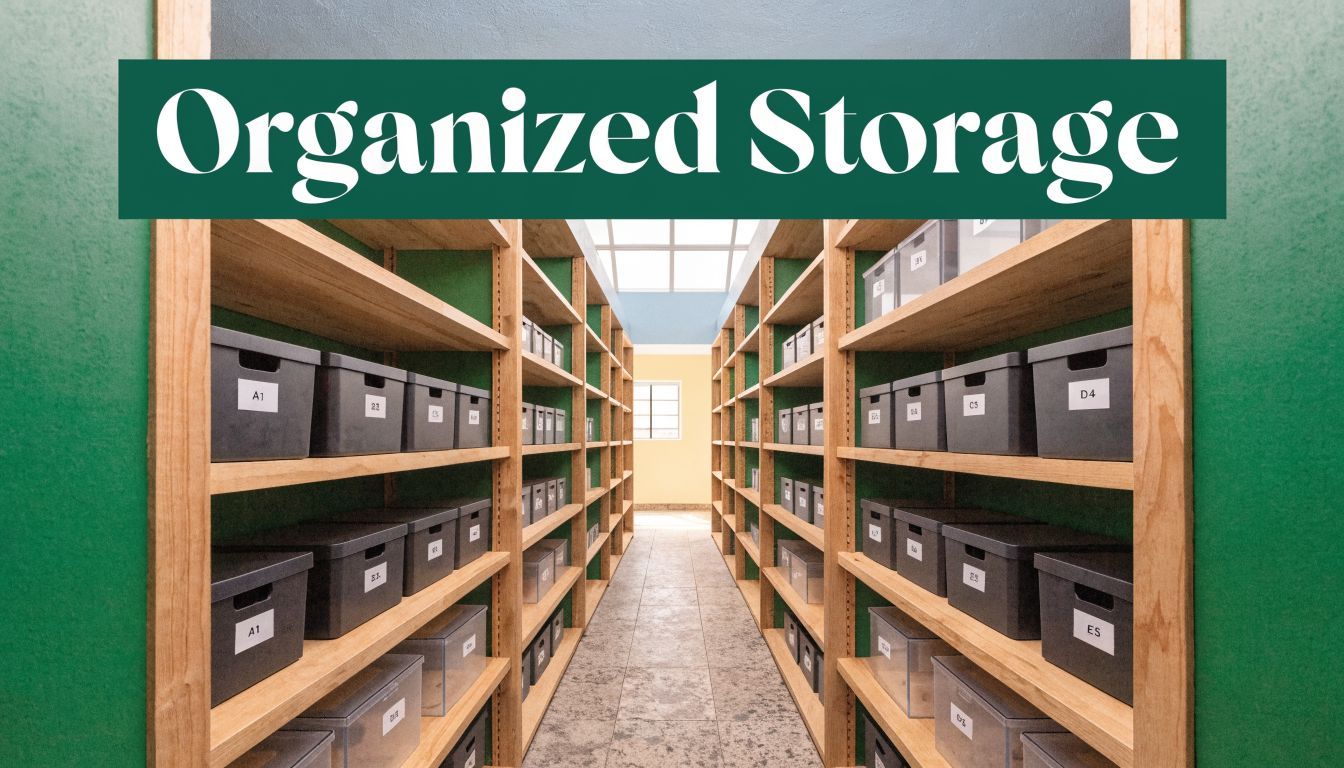
Instead of letting these items clog up precious space, an off-site, box-by-box storage solution is a game-changer. It lets you keep those cherished memories safe and sound without sacrificing your daily living area. You simply pack your boxes, and they’re picked up and kept in a secure, climate-controlled facility until you need them again. It’s an affordable way to instantly reclaim your space and keep the room focused on what your child needs right now.
Designing for Play and Peace with Functional Zones
Alright, once the decluttering marathon is over, what's next? It's time to give every last toy, book, and stray crayon a logical place to live. This is where the magic of "zoning" comes in. A well-designed kid's room has a natural flow, with distinct areas set up for different activities.
Think of it like designing a mini studio apartment for your child. By creating clear zones, cleanup becomes second nature because your child instinctively knows where everything is supposed to go. It’s the secret to maximizing floor space and finally dialing down that feeling of constant chaos.

Defining Key Areas in the Room
You don't need a huge room to make this work. Even in a tiny space, you can use things like rugs, smart furniture placement, and shelving to visually separate one area from another. The trick is to think through your child’s daily routine. What do they actually do in their room?
- The Sleep Zone: This spot should be a calm, uncluttered sanctuary. Keep it simple: just the bed, maybe a nightstand for a lamp and a book, and a soft rug. Steer clear of storing stimulating, noisy toys right next to where they need to wind down.
- The Play Zone: Carve out some open floor space and make it the official play headquarters. A specific play mat or a colorful rug can create a clear boundary for where playtime happens—and, just as importantly, where toys need to be put away afterward. Low, open bins are perfect here for easy access.
- The Creative Zone: A small desk or an art easel with supplies right at their fingertips is an open invitation for creativity. I love using wall-mounted organizers for crayons, markers, and paper to keep those little surfaces from becoming a mess.
- The Quiet Zone: Every kid needs a spot to decompress. A comfy beanbag chair, a soft cushion, and a forward-facing bookshelf can create an irresistible nook for reading and chilling out.
If you’re working with a larger room or a shared space, furniture can be a fantastic way to create divisions. We have a whole guide on room divider storage solutions that pull double duty, offering both separation and storage.
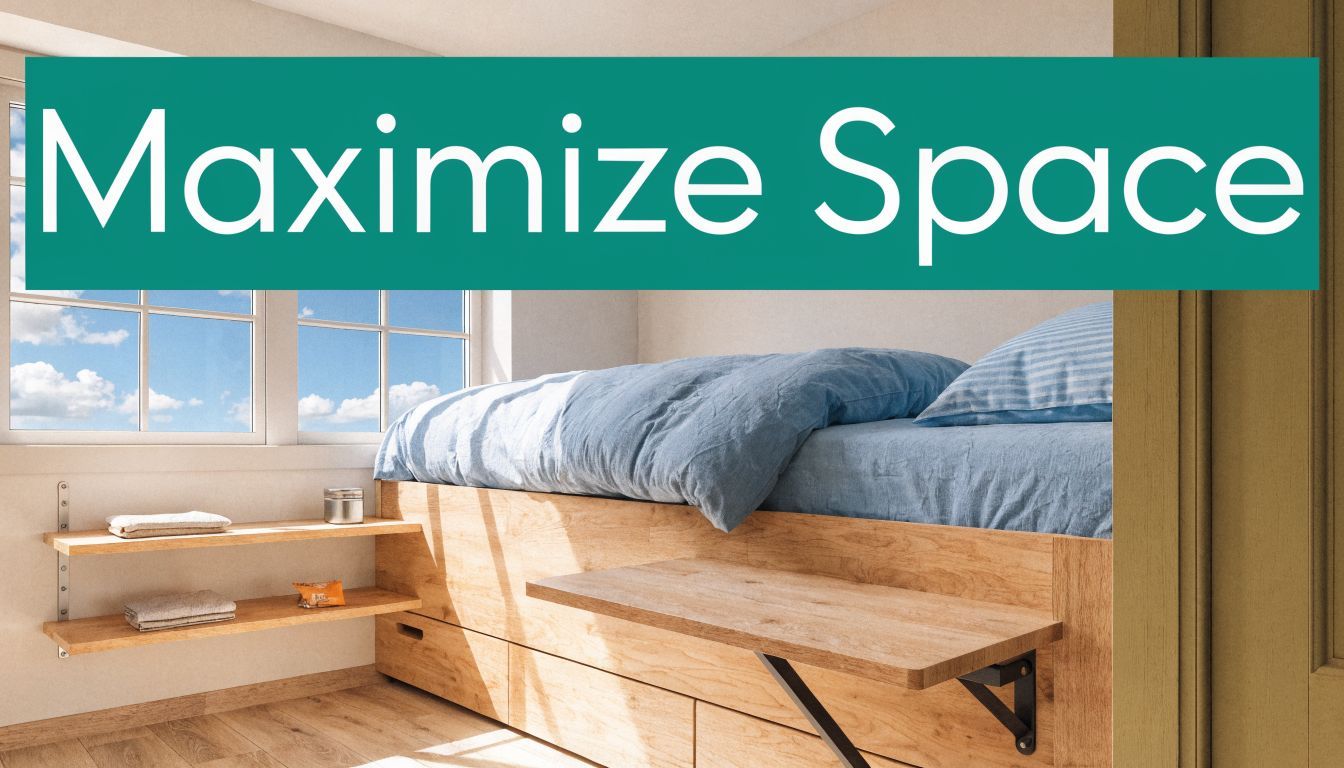
Maximizing Space with Smart Furniture
In smaller city homes, multi-functional furniture isn’t just nice to have—it’s a necessity. Picking pieces that work harder is the key to keeping the room organized without eating up precious square footage.
Beds are the perfect place to start. While they take up the most real estate in the kids' furniture market, commanding a 31.7% share, it’s the models with built-in storage that are true organizational heroes. As the global market for kids' furniture continues to grow, more and more parents are catching on and prioritizing these clever, space-saving designs.
A loft bed with a desk tucked underneath, or a captain’s bed with deep drawers, can instantly give you back the floor space it occupies. It's all about making every single piece in the room count.
This whole zoning approach is about so much more than just making the room look good. It teaches kids about spatial awareness and responsibility. Suddenly, cleanup isn't a dreaded chore; it's a simple matching game of putting things back in their designated homes. A well-zoned room is a more peaceful room—for everyone.
Choosing Smart Storage Solutions for Every Age
Once you’ve decluttered and zoned the room, it's time to bring in the right tools for the job. The real secret to winning the long-term battle against clutter is smart storage—pieces that aren’t just functional but are perfectly matched to your child's age and stage.
What works for a toddler can be a total frustration for a ten-year-old. The goal is to pick solutions that empower them to stay organized on their own. This means thinking beyond just looks and really considering accessibility, safety, and how long a piece will last. The right storage doesn't just hide messes; it teaches kids how to manage their own stuff, turning cleanup from a chore into a simple, achievable routine.

Storage for Toddlers and Preschoolers
For the little ones, the guiding principle is simple: keep it low and open. Toddlers and preschoolers are incredibly visual. They need to see their options to play with them. Lids, deep drawers, and complicated bins are just obstacles that lead to everything being dumped on the floor.
- Low, Open Bins: Think cubby-style shelves with fabric or wicker bins. These are perfect. They let kids see their toys and make cleanup feel like a simple matching game.
- Forward-Facing Bookshelves: These displays showcase the book covers, making it so much easier for a little one to pick out their own story.
- Clear Containers: For smaller collections like building blocks or art supplies, clear, shoebox-sized bins are a game-changer. They can spot what’s inside without having to open every single one.
The key for this age group is to make putting things away just as easy as taking them out. If they can manage it themselves, they're far more likely to do it.
Storage for School-Aged Kids
As kids grow, their needs change—fast. Their toys get smaller and more complex, homework becomes a thing, and their personal collections start to mean the world to them. Storage has to adapt to reflect this new sense of responsibility and their evolving interests.
This is also the age where many parents start investing in more permanent furniture. In fact, a surprising 41% of U.S. parents reported reorganizing their children's rooms with stylish, functional furniture in mind. Wardrobes have become a major investment, and bookshelves alone now claim 32.6% of the market share, driven partly by a focus on early literacy.
To help you choose, we’ve put together a quick guide on the best storage types for each age group.
Age-Specific Storage Solutions
Choosing storage that aligns with their developmental stage not only keeps the room tidier but also equips them with valuable life skills.
Leveraging Vertical and Underused Space
When you're figuring out how to organize kids room, especially in a cramped city apartment, you have to think up. Walls and other overlooked spots are a goldmine of storage potential just waiting to be tapped.
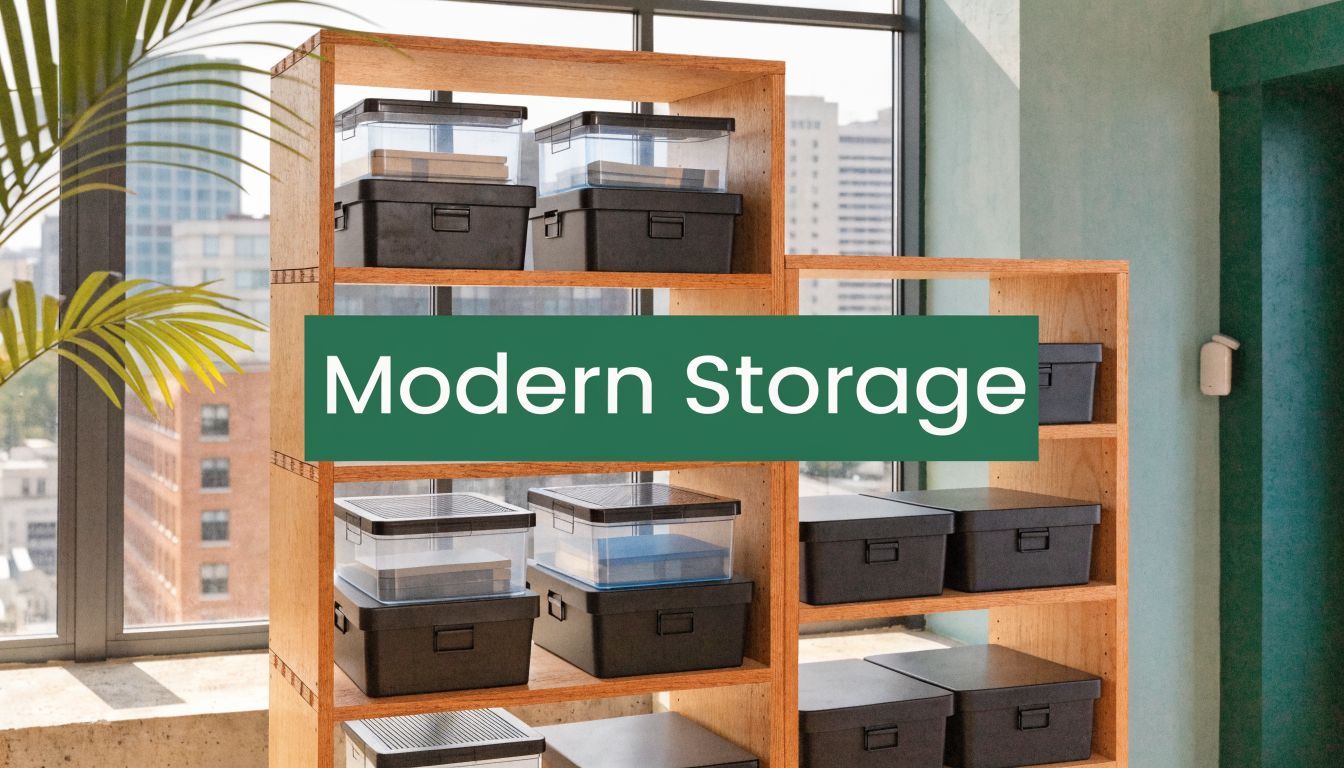
- Modular Shelving: Systems you can reconfigure or add to over time are a fantastic investment that will grow right alongside your child.
- Wall-Mounted Shelves: Floating shelves are perfect for showing off trophies, models, or favorite books without taking up a single inch of floor space.
- Pegboards: A pegboard with adjustable hooks and small baskets is an incredibly versatile solution for everything from art supplies to Nerf guns.
And don't forget about the space under the bed! Rolling drawers or long, flat containers are ideal for stashing off-season clothes, extra bedding, or bigger toy sets. For those who are really struggling to make it all fit, our guide on the best storage for small spaces has even more clever ideas to help you maximize every last inch.
Making It Stick: Building Lasting Organizational Habits
Getting the room perfectly organized is a fantastic feeling, but let's be honest—the real victory is keeping it that way. After all that hard work sorting and zoning, the final piece of the puzzle is building simple, daily habits that stop clutter from staging a comeback.
This isn't about chasing perfection. It's about creating a sustainable rhythm that feels natural for your family. The goal is to weave these routines into your child's existing schedule until they're as automatic as brushing their teeth. A tidy room then becomes a byproduct of daily life, not a huge weekend project you're constantly dreading.
The Power of Visual Labels
For younger kids who aren't reading yet, visual cues are everything. A bin with the word "cars" on it is meaningless, but a bin with a picture of a car? That's an intuitive roadmap for cleanup time. It’s a simple trick that turns tidying up into a fun matching game.
You can print out photos of their actual toys or just use simple icon stickers. The key is to place them at their eye level on every single bin, drawer, and basket. This small step empowers them to put things away on their own, building a sense of pride and ownership over their space.
The 10-Minute Tidy Transformation
One of the most effective habits I've seen families adopt is the "10-Minute Tidy." Just set a timer for ten minutes every evening—maybe right before bath time or stories—and make it a family affair. Put on some music and have everyone pitch in to put things back where they belong.
This short, focused burst of activity stops small messes from snowballing into overwhelming chaos. It teaches kids that maintaining their space is a quick, manageable task, not some monumental chore.
Keeping the energy positive is the secret sauce to making these habits stick. If you need more ideas on how to make this feel less like a chore, check out our guide on finding your decluttering motivation and tips.
Managing the Inevitable Influx
Kids' rooms are living, breathing spaces, which means new things are always coming in—birthday gifts, holiday presents, endless school art projects. Without a plan, this constant flow can quickly undo all your hard work. This is where you need to introduce two non-negotiable rules.
- The 'One-In, One-Out' Rule: This is a game-changer. For every new toy or piece of clothing that comes in, one has to go out. This simple policy forces regular, small-scale decluttering and stops accumulation in its tracks.
- The Designated Overflow Box: Keep one box handy for items that are out-of-season, too sentimental to part with, or part of a toy rotation system. When it’s full, that's your signal. It's time to decide what gets donated, stored, or tossed.
This push toward smarter, more intentional storage is a growing trend, especially as more families find themselves in smaller urban homes. The global kids' storage furniture market is booming to meet this exact need, with parents in the U.S. looking for durable, safe, and attractive solutions. Wood materials, prized for their safety and longevity, are still leading the market for key pieces. You can see more insights on these market trends and how parents are adapting to smaller living spaces.
Ultimately, building these lasting habits is your best defense against clutter, creating a peaceful and functional room that actually stays that way.
Common Questions from Parents
Even with the best plan, real life has a way of throwing a wrench into your kid's room organization efforts. Let's tackle some of the most common hurdles I see parents face, along with some straightforward answers that have worked for me and countless others.
How Do I Get My Child Involved Without a Fight?
The secret here is to reframe the task. Instead of a chore, make it a game with choices. A big, vague command like "clean your room" is overwhelming for a little mind and is practically an invitation for a meltdown.
Break it down into tiny, winnable missions. Try setting a timer for a "five-minute tidy-up race." Or, give them a sense of control with simple A-or-B questions. "Should the LEGOs go in the red bin or the blue bin?" This tiny shift in language empowers them and cuts down on resistance almost immediately. Remember to praise their effort along the way, not just the perfect result at the end.
Giving children ownership over their space and decisions—even small ones—is the fastest way to get their cooperation. It turns a dreaded chore into a shared project.
What's the Best Way to Handle Toy Rotation in a Small Space?
Toy rotation is an absolute game-changer, especially when you're working with the tight quarters of a city apartment. The idea is simple: divide the toys into three or four groups. Only one group stays out in the room at a time, while the others get packed away completely out of sight.
This is where off-site storage becomes a lifesaver. Instead of trying to cram those extra bins into an already-stuffed closet, you can pack away the off-rotation sets and have them stored safely. When it’s time to swap, the "new" toys feel exciting and fresh again. This keeps the play area engaging and uncluttered without you having to sacrifice precious closet space.
My Child Has So Many Art Projects. What Do I Do?
Ah, the never-ending stream of masterpieces. It's wonderful, but it can quickly turn into a mountain of paper clutter. The key is to create a simple, consistent system for managing it all before it takes over.
First, set up a dedicated "gallery" space—maybe a corkboard or a magnetic cable on the wall—for a few current favorites. This honors their work and makes them feel incredibly proud. Then, at the end of each month, sit down together and let them pick one or two special pieces to keep in a memory box or portfolio. For everything else? Snap a quick photo for a digital album before it heads to the recycling bin. If you're looking for more ways to keep things tidy, you can find a ton of smart kids bedroom organization ideas. This approach celebrates their creativity without letting you drown in paper.
When seasonal clothes, sentimental items, or rotated toy boxes start taking over your closets, Endless Storage offers a simple solution. We pick up your packed boxes and store them securely, delivering them back whenever you need them—letting you reclaim your space for as little as $7.99 a box. Learn more at https://www.endless-storage.com.
Frequently Asked Questions
Unveiling the Secrets to Effortless Storage
Endless Storage is available nationwide. You pick a plan, tell us where to pickup, and we'll send a UPS van to collect, whichever state you're in.
Your shipping label will be sent to your email within a few minutes, if not instantaneously. It can also be accessed through your customer profile.
Your box will be shipped to one of our climate controlled self storage facilities in our closest self storage facility. Our manager will accept your package, notify you that your box has been received, and securely stored. Only our managers will have access to Endless Storage boxes.
Email us at admin@endless-storage.com click to live chat with us, or send us a message below.
Never! We're committed to transparent pricing with no surprises. You'll lock in your rate with no hidden fees and no long-term contracts.
Fast access guaranteed! Your boxes will arrive at your doorstep within 48 hours of requesting them back. Need to check on delivery? We provide tracking information for complete peace of mind.
Totally flexible! Store month-to-month with no long-term commitment and cancel anytime.
Everything's online! Use your account dashboard to:
• Set up automatic monthly payments
• Request box returns
• Update your address
• Order additional boxes
• Track shipments
Your boxes are insured up to $100 each. Our customer service team will help you file any necessary claims and resolve issues quickly.
Don't worry – we'll email you right away if there's a payment issue. Your items stay safe, though you may have temporary service interruption or late fees until payment is resolved.
When you request our free storage kits, you'll have 30 days to send in your boxes to activate your 3 months of free storage. Think of it like starting a gym membership – your activation window begins when you receive your kits, and your full free trial begins once you send in your first box. During your free months, you'll experience our complete storage service at no cost.
Your 30-day activation window begins when you receive your storage kits. We'll send you an email confirmation when your kits are delivered, marking the start of your activation period.
If you haven't sent any boxes for storage within your 30-day activation window, your free trial will expire and we'll begin charging the regular monthly rate of $9.99 per box. This helps ensure our storage kits go to customers who are ready to use our service.
A box costs $9.99 per month to store (plus sales tax). This price includes free shipping for standard boxes under 50 lbs. and smaller than 16"x16"x16"
Log into your Endless Storage account, locate the box you would like returned, and simply click Return My Box.
Yes, each box stored with us is insured for up to $100 throughout transit as well as the duration of storage within our facilities.
Your box will be at your doorstep within 48 hours of you requesting it back.
Store 10+ boxes? We'll pick them up for free! After your purchase, we'll contact you to schedule a convenient pickup time and arrange UPS collection.
We trust UPS with all shipments, and every box includes $100 insurance coverage. You'll receive tracking information to monitor your items' journey.
Yes! Visit any of our locations by appointment. Just bring a photo ID matching your customer profile.
For everyone's safety, we can't store hazardous materials, firearms, or perishables. All items must fit within our standard boxes.
It's easy! Order your storage kit online, and we'll ship it to you within 1-2 business days. Your shipping labels will be emailed instantly and available in your account.
We're here to help! Email us at admin@endless-storage.com, use our live chat, or send us a message through your account.
To cancel your storage service with Endless Storage, please email your cancellation request to admin@endless-storage.com. Our team will process your request within 2 business days and confirm your cancellation via email.
We understand packing takes time. However, to maintain your free trial benefits, you'll need to send at least one box within the 30-day activation window. If you need more time, you can always start with one box to activate your trial and send the rest later. You can always reach out to admin@endless-storage.com if you have any issues or concerns.
When you request our free storage kits, you're starting a 30-day window to begin using our storage service.
To avoid any charges, simply send at least one box for storage within 30 days to activate your 3-month free trial. If you decide not to use our service and don't send any boxes within the 30-day window, a one-time $50 fee will apply to cover the costs of materials and shipping. This helps ensure our storage kits go to customers who are ready to use our service.
Think of it like reserving a hotel room – we're setting aside space and sending specialized packing materials for your use. The fee only applies if you request materials but don't begin storage, similar to a hotel's no-show charge.