5 min read

How to Organize a Messy Room and Reclaim Your Space

How to Organize a Messy Room and Reclaim Your Space
Published on
December 14, 2025

Before you lift a single item, let’s talk about the real reason that messy room is so draining. It’s not just about the look of it. A disorganized space quietly chips away at your mental energy, your focus, and even your wallet. That feeling of being overwhelmed the second you walk through the door? It’s real, and it’s exhausting.

Confronting the Clutter and Its Hidden Costs

Man organizing papers in a room with a trash bag, promoting focus and decluttering.

Think about coming home after a long day, hoping to relax, only to be greeted by piles of clothes, stacks of paper, and random odds and ends covering every surface. This isn't just a hypothetical; studies show that up to 80% of American homes are wrestling with clutter.

It’s more than just an eyesore. A messy environment can slash your productivity by as much as 40%. We’ve all been there—the average person wastes around 4.3 hours every week just looking for misplaced items. That’s nearly an entire work day lost to chaos.

The Real Price of a Messy Room

That constant, low-level stress you feel from the mess? It’s a real thing. When your surroundings are chaotic, your mind struggles to find calm, making it harder to focus on what matters or even get a good night's sleep.

And then there's the financial hit. Ever bought something you knew you already owned but just couldn't find? That’s a direct cost. The mental energy spent simply thinking about the mess is another hidden tax on your well-being. By finally facing these costs, you're not just doing a chore—you're making a serious investment in your quality of life. Understanding the tangible benefits of decluttering can be a huge motivator.

Let's break down exactly what that clutter is costing you week after week. It adds up faster than you'd think.

The Hidden Costs of Clutter at a Glance

Impact AreaStatisticWeekly Cost
TimeWasting 4.3 hours searching for itemsNearly half a work day, every single week
MoneyRepurchasing lost itemsAn average of $50-100/month in unnecessary spending
ProductivityUp to a 40% reduction in focus and efficiencyLosing almost 16 hours of productive time
Mental HealthIncreased cortisol (stress hormone) levelsConstant, low-grade anxiety and mental fatigue

Seeing the numbers laid out like this makes it clear: the cost of not organizing is far greater than the effort it takes to start.

The goal isn't just to clean your room but to create an environment that supports you. A tidy space reduces stress, improves focus, and gives you back control over your surroundings and your time.

A Framework for Getting Started

Okay, so you're motivated. But where on earth do you begin? The key is to stop seeing a mountain of mess and instead focus on one small, manageable step. Getting paralyzed by the sheer scale of the project is the number one reason people give up before they even start. If that sounds like you, there are some great resources out there offering real help with decluttering your overwhelmed home.

This guide will give you a clear, structured plan to take back your space without the burnout. We’re going to break it down into simple stages, starting with a quick triage that delivers immediate results. By focusing on progress, not perfection, you'll see visible changes fast, building the momentum you need to finish the job. You're not just cleaning; you're creating a system for lasting order.

Building Momentum in Your First Hour

Let’s be honest. The biggest thing stopping you from organizing a messy room isn’t the actual mess—it’s the overwhelming feeling you get just by looking at it. That feeling of paralysis is real. This first hour is all about shattering that inertia with a simple, powerful game plan designed for immediate, visible results.

The goal here isn't perfection; it's progress you can see and feel. We'll use a "quick triage" method to attack the surface clutter first—all that stuff piled on the floor, the bed, and any flat surface. This initial push creates physical breathing room, but more importantly, it delivers a huge psychological boost that makes the rest of the project feel totally doable.

Your 60-Minute Triage Plan

First things first, grab two large trash bags and an empty laundry basket. That’s it. That’s your entire toolkit for this first hour. Don't even think about running out to buy fancy storage bins or organizers. That comes way later. Right now, it’s all about speed.

Set up three distinct sorting zones right outside your door or in the hallway. This keeps your immediate workspace clear.

  • Zone 1: Trash. This bag is for the obvious junk—old wrappers, receipts, broken items you’ll never fix. No second-guessing allowed.
  • Zone 2: Donate. The second bag is for anything in decent shape that you know you don't want or need anymore.
  • Zone 3: Goes Elsewhere. The laundry basket is your relocation station for anything that belongs in another room.

Now for the most important rule: touch items only once. Pick something up, and immediately decide which of the three zones it belongs to. This "one-touch rule" is the secret to avoiding the classic trap of just shuffling piles from one spot to another.

This first hour isn't about deep organization. It's about creating a blank canvas. By clearing the 'visual noise,' you give your brain the space it needs to tackle the real sorting and decision-making without feeling completely overwhelmed.

Making Quick Decisions

To get that momentum rolling, start with the easiest wins. Scan the room for blatant trash. See any old mail, empty water bottles, or used tissues? Toss them. This takes zero mental energy and gives you that instant gratification of a lighter space.

Next up, gather any stray dishes, cups, or mugs. Put them directly into your "Goes Elsewhere" basket. This is another easy win because their final destination is obvious: the kitchen sink. Don't get sidetracked by washing them now; just get them out of the room.

Now, let's hit the clothes scattered around. If it's dirty, it goes straight into a hamper. If it’s clean but just out of place, give it a quick fold and put it where it belongs. If you look at it and know you’ll never wear it again, it goes right into the donate bag. For now, skip the sentimental pieces you need to agonize over. We’re just dealing with the low-hanging fruit.

Score Those Psychological Wins

With every single item you place in a bag or the basket, you’re making a decision and taking back control. After just 15-20 minutes, you'll start to see clear surfaces emerge. Maybe you can finally see a patch of your floor, or your entire bed is suddenly clear.

These small victories are incredibly powerful. They’re tangible proof that you can make a difference, and that feeling will fuel you to keep going. If you feel your energy dipping, sometimes finding the right decluttering motivation tips is all you need to push through that initial wall of resistance.

By the end of the hour, your room won't be perfectly organized, but it will look and feel dramatically different. You'll have cleared the surface-level chaos, creating a much more manageable space to begin the next phase. You’ve just proven to yourself that this is possible, one small step at a time. Take a second to appreciate what you’ve accomplished. That momentum is the most valuable tool you have.

Using the Four-Box Decluttering Method

Okay, with the surface clutter gone, you’ve carved out some breathing room. Now it’s time to get to the real heart of the matter. This is where the Four-Box Method comes in, and trust me, it’s a game-changer. It’s a simple but incredibly powerful system that takes all the guesswork out of sorting through your stuff. No more agonizing over every little thing.

First up, you’ll need four large boxes or bins. Heck, you can even just designate four distinct piles in the hallway if you don't have boxes. Grab a marker and label them clearly: Keep, Donate/Sell, Trash/Recycle, and Relocate. This simple setup forces you to make a decision for every single item you touch, which is key to avoiding those dreaded "maybe" piles that just create more clutter.

Defining Your Four Categories

Let’s quickly break down what each of these boxes is for. Sticking to these rules is what will keep you moving forward without getting stuck in what I call "decluttering paralysis." This isn't just about cleaning; it's about being intentional with what you allow back into your space.

  • Keep: This box is reserved only for things you actively use, genuinely love, and that have a clear purpose in the room. Think of this as your A-list—the items that actually support the life you're living right now.
  • Donate/Sell: Anything that’s still in good shape but no longer has a place in your life goes here. That could be clothes that don’t quite fit anymore, books you’ve already read, or that old gadget you upgraded from last year.
  • Trash/Recycle: This one’s pretty straightforward. If it’s broken beyond repair, expired, or just plain junk, it goes. Be ruthless here—don't hang on to trash.
  • Relocate: This is the magic box for all the things that have mysteriously migrated into the room but don't actually belong there. The coffee mugs from the kitchen, the screwdriver that should be in the garage… you get the idea.

If you're a visual person, this little flowchart can help you map out the decision for every item you pick up.

Flowchart illustrating the first-hour triage method for decluttering and organizing items.

As you can see, the first move for any item is to decide if it’s trash, if it can be donated, or if it simply belongs in another room. This streamlines the whole process before you even have to think about what to keep.

Asking the Right Questions for Each Item

As you handle each item, run it through a quick mental checklist. This is what stops you from getting bogged down by sentimentality or indecision. The trick is to be honest with yourself about an item’s role in your current life, not its past.

Ask yourself these questions:

  • Have I used this in the last year? If the answer is no (and it's not a seasonal item like holiday decor), it’s a prime candidate for the Donate/Sell box.
  • Do I absolutely love it? Not just "kind of like it." Does it bring you genuine joy or add real value?
  • Would I buy it again today? This question is brilliant for cutting through any guilt you might feel about getting rid of something you spent money on.
  • Is it worth the space it’s taking up? In any room, but especially a small one, every square inch counts. You have to be a strict gatekeeper.

It's completely normal to find it hard to let go. We get attached to our things, even if we don't use them. One survey found that while 70% of adults believe a clutter-free home is crucial for success, 37% admit they find it tough to part with their belongings. And when you consider that the average home has over 300,000 items, it’s no wonder we feel overwhelmed.

Navigating the Donate Versus Sell Dilemma

That "Donate/Sell" box can quickly become a bottleneck. It's so tempting to try and sell everything to make a bit of cash, but this is where organizing projects often grind to a halt. My rule of thumb? Only set something aside to sell if it’s a high-value item and you are genuinely prepared to list, sell, and ship it this week.

Key Takeaway: Your time and mental energy are valuable. Don’t let a $5 item hold your entire decluttering project hostage for weeks. If it’s not worth more than $25-$50, it's often better to just donate it and immediately reclaim your space.

For everything else, donation is your best friend. Schedule a pickup from a local charity or find a drop-off bin nearby. The goal is to get this stuff out of your house as quickly as possible. You can explore more strategies in our guide covering essential decluttering tips.

Once you've sorted everything into your four boxes, act immediately. Take the trash out to the curb, carry the Relocate box around the house and put things where they belong, and move the Donate/Sell box into your car trunk. Now, the only box left in the room should be "Keep," which puts you in the perfect position for the next phase: creating a smart, sustainable organization system.

Time To Get Smart With Your Storage

A bedroom with green walls, a bed, a nightstand, and an open white wardrobe with smart storage solutions.

You’ve done the hard part—you’ve decluttered and now you’re only surrounded by things you actually need and love. That’s a massive win, but don’t put your feet up just yet. The next step is what separates a room that gets tidy from a room that stays tidy: setting up a smart storage system.

Without a logical home for everything, even the most minimalist room will eventually slip back into chaos. This isn't about just buying more bins to hide stuff. It's about creating a functional, intuitive system where every single item has a place.

First, Create Your Room Zones

Before you even think about buying a shelf, take a step back and consider how you actually use your room. The idea of "zoning" is simple but incredibly effective. You basically divide the room into distinct areas based on activities, making sure the stuff you need for each activity lives right there.

This simple shift stops that constant shuffle of moving things from one side of the room to the other. By giving each corner a job, you create a natural flow that makes tidying up feel almost effortless.

  • The Sleep Zone: This is your sanctuary, so keep it calm. Your nightstand should only hold the absolute essentials—a lamp, your current book, a phone charger. It’s not a dumping ground for odds and ends.
  • The Work/Study Zone: If you have a desk, this is your productivity hub. Pens, notebooks, and tech should all be within easy reach. Grab some cheap drawer dividers; they’re a lifesaver for preventing that jumbled mess of small supplies.
  • The Dressing Zone: This area revolves around your closet and dresser. Arrange your clothes logically by grouping similar items. The things you wear all the time should be front and center, not buried in the back.

Zoning turns your room from just a box full of stuff into a series of functional, interconnected spaces that actually make sense for your life.

Maximize Every Single Inch

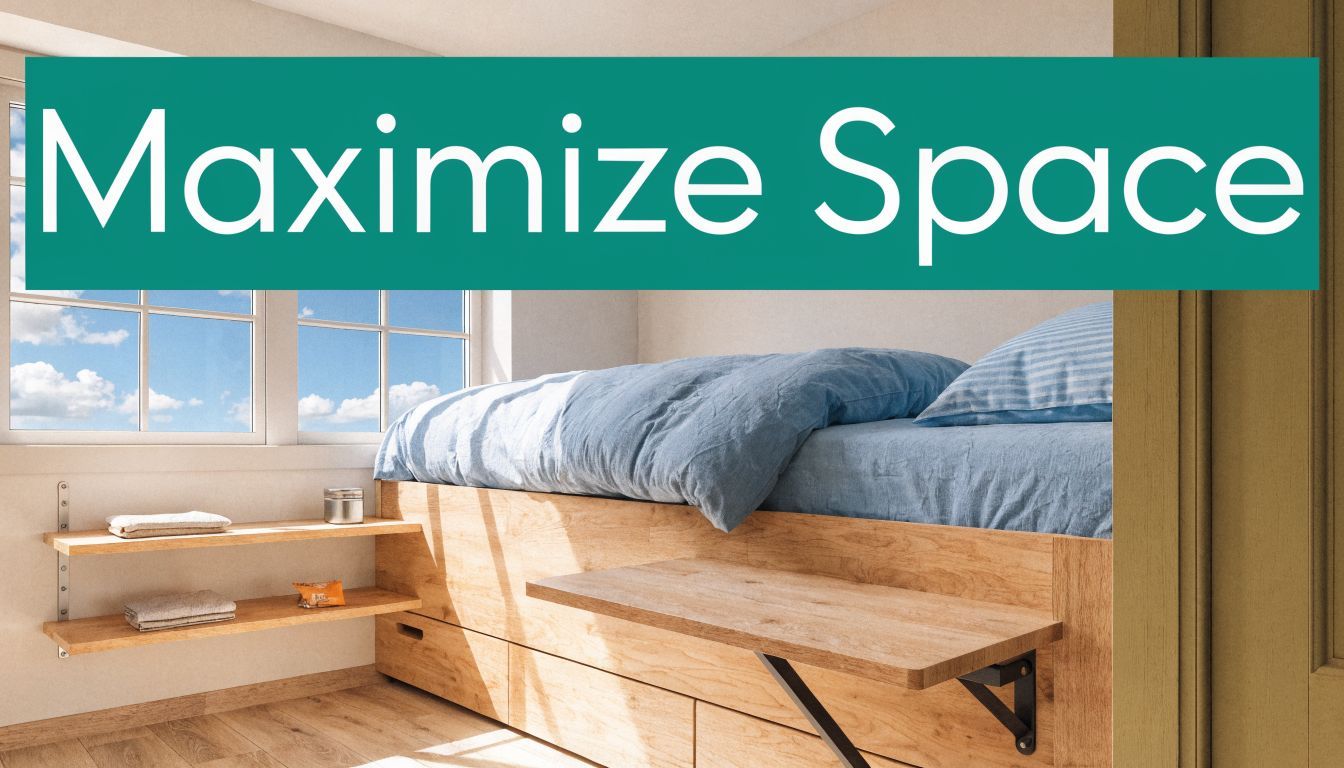
Small rooms can feel like a challenge, but they also force you to be creative. When you're short on floor space, there's only one way to go: up. Vertical storage is your secret weapon for organizing a messy room without making it feel even more cramped.

Think about all the unused real estate in your room:

  • Wall-Mounted Shelving: Floating shelves are fantastic. They can hold books, plants, or small bins without hogging an inch of your floor.
  • Over-the-Door Organizers: This is prime, often-forgotten space. These organizers are perfect for shoes, toiletries, or accessories.
  • Under-Bed Storage: Get some low-profile containers—especially ones with wheels—and slide them under the bed. They’re perfect for stashing out-of-season clothes, extra bedding, or sentimental items you don’t need every day.

You don't always have to buy new, either. Check out these easy and creative DIY tips for upcycling furniture to see if you can transform an old piece into something useful. And if you're feeling stuck, exploring the best storage for small spaces can spark some brilliant ideas you hadn't considered.

By thinking vertically, you can often double or even triple your storage capacity without adding a single bulky piece of furniture. It’s about being clever with the space you already have.

When you start looking for storage solutions, it can feel overwhelming. Let's break down some common options to help you figure out what's best for your space and your stuff.

Choosing the Right Storage Solution

Storage TypeBest ForProsCons
Wall ShelvingBooks, decor, small bins, and frequently used items.Uses vertical space, keeps floors clear, highly customizable.Limited weight capacity, can look cluttered if not styled well.
Under-Bed ContainersSeasonal clothing, extra linens, shoes, memorabilia.Hides clutter, great for items you don't need daily access to.Can be hard to access, may collect dust, requires specific container sizes.
Drawer DividersSmall items in desks, dressers, or kitchen drawers.Inexpensive, creates instant order, highly flexible.Can slide around, might not fit perfectly in all drawers.
Over-the-Door RacksShoes, accessories, cleaning supplies, toiletries.Utilizes otherwise wasted space, easy to install, very accessible.Can prevent doors from closing properly, may look messy.
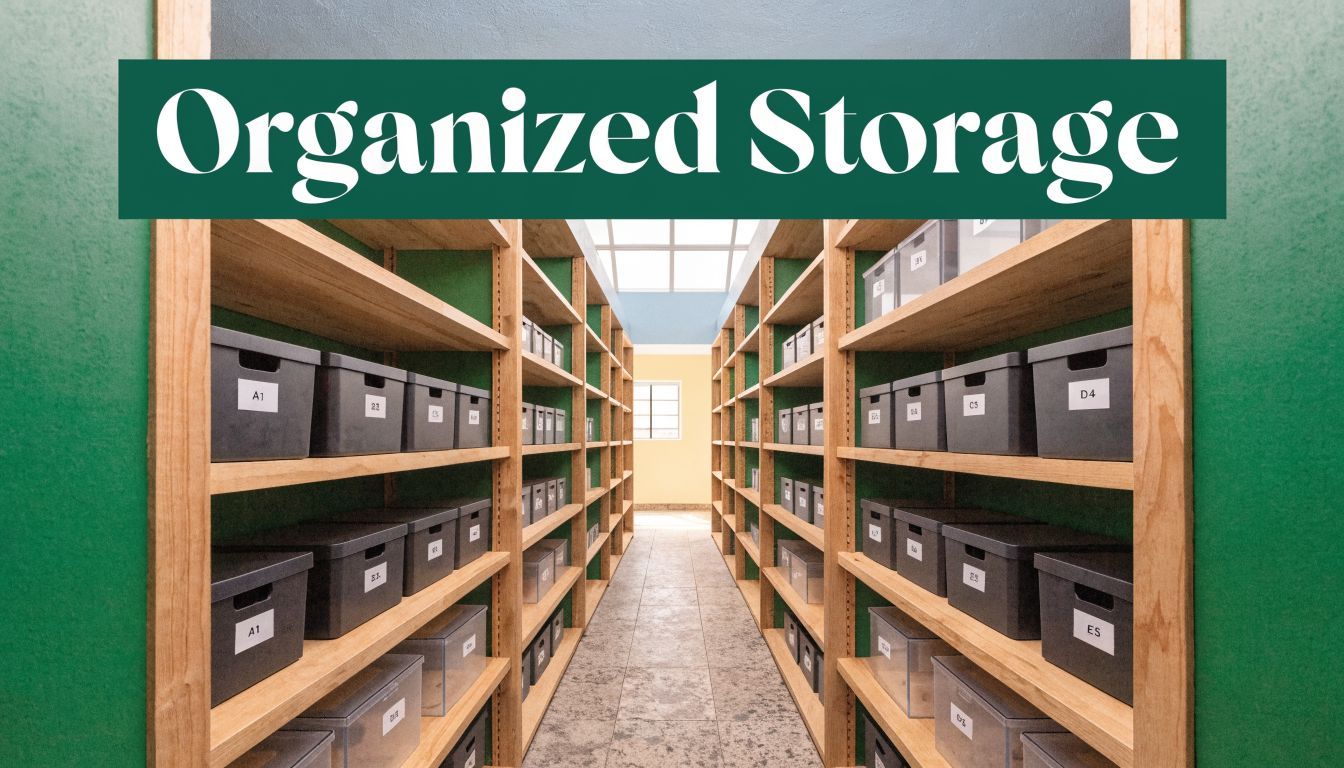
Storage-by-the-BoxSeasonal items, sentimental keepsakes, important documents.Frees up prime in-home space, secure and climate-controlled.Not suitable for items you need frequently or on short notice.

Ultimately, the best strategy is often a mix-and-match approach. Use in-room solutions for your daily life and consider offsite options for the long-term clutter.

When to Call in the Offsite Storage Pros

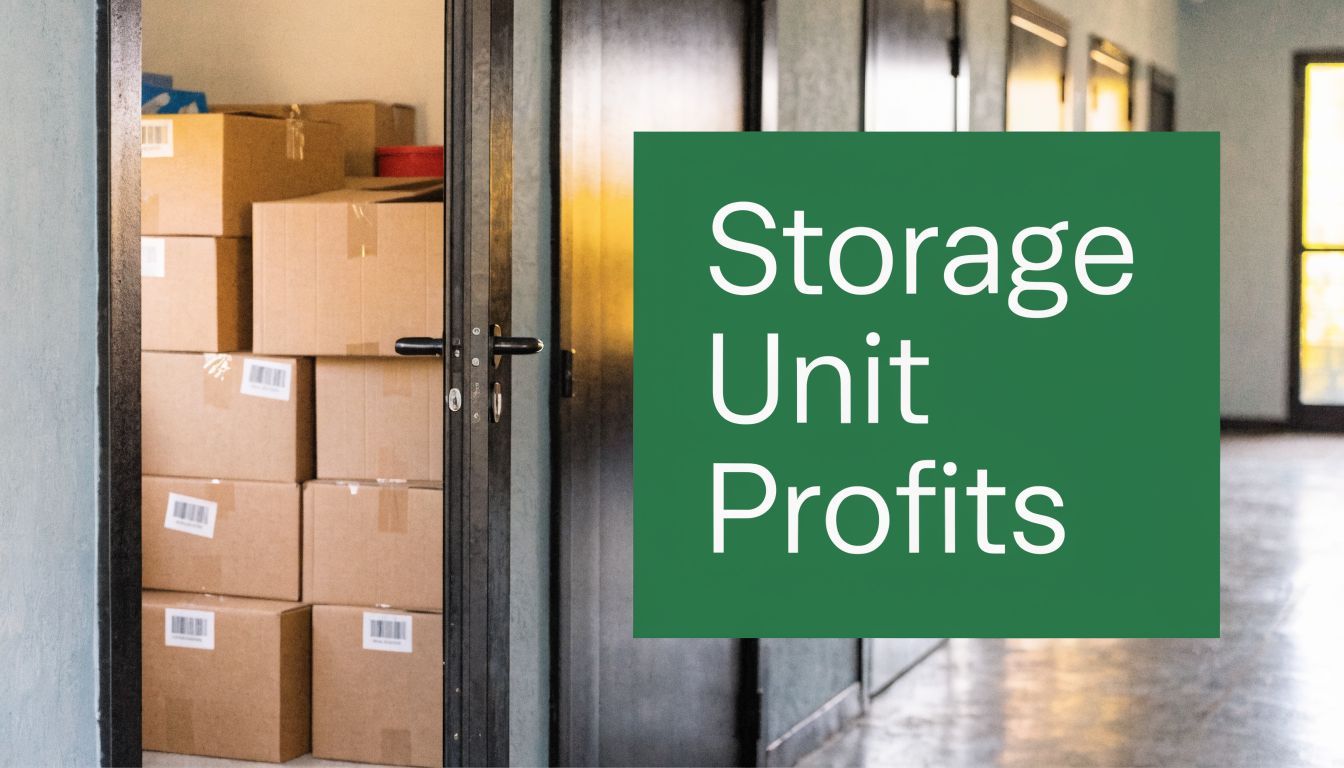
As you sort, you’ll likely come across a pile of things you definitely want to keep but absolutely do not need right now. Think seasonal decor, your bulky winter coat collection, or boxes of childhood memorabilia. These things are important, but they take up valuable real estate in your closet or under your bed.

This is the perfect time to bring offsite storage into your master plan. Instead of letting these items clog up your living space, you can move them somewhere safe until you need them.

Storage-by-the-box services are especially handy for this. You don’t have to rent a whole unit. You just pack what you need into a few boxes, and they get picked up. When the seasons change or you want to walk down memory lane, you just request the specific boxes you need, and they’re delivered right to your door.

This approach is a game-changer for:

  1. Seasonal Wardrobe Swaps: Storing heavy winter jackets and boots during the summer can free up a shocking amount of closet space.
  2. Holiday Decorations: Keep those bulky boxes of ornaments and lights out of the way for 11 months of the year.
  3. Documents & Memorabilia: Safely store photo albums, yearbooks, and old files that you can't part with but don't need on hand.

Using offsite storage this way isn’t about hiding your mess. It’s a strategic move to curate your home so it only contains what’s relevant to your daily life, giving you more space to breathe.

Creating Habits to Stay Organized for Good

You’ve done it. You've successfully decluttered, sorted, and organized your room. That sense of calm and accomplishment is real, but now comes the most important part of the entire process—making sure it actually stays this way. Getting organized is a project; staying organized is an ongoing habit.

Without a simple system to maintain all your hard work, the clutter will inevitably creep back in. The key is to shift your mindset from a massive, one-time overhaul to small, consistent actions that eventually become second nature. It's a proactive approach that stops the mess from ever reaching that overwhelming stage again.

The 15-Minute Weekly Reset

The thought of daily tidying can feel like a chore, but a weekly reset is incredibly manageable. All you need is 15 minutes, once a week, to hit the common clutter hotspots before they spin out of control. Just think of it as preventative maintenance for your room.

Set a timer, put on some music, and get to it. This isn't a deep clean—it's a quick, focused burst of activity designed to put things back where they belong.

  • Flat Surface Sweep: Clear off your nightstand, desk, and dresser. Put away books, return those rogue coffee mugs to the kitchen, and file any stray papers.
  • The Clothes Chair Check-In: We all have that one spot where clothes seem to multiply. Quickly hang up the clean stuff, toss dirty items in the hamper, and put away anything that’s been worn but is still good for another go.
  • Floor Scan: Pick up anything that has landed on the floor—shoes, bags, or other random items—and return them to their designated homes.

This simple routine, done consistently, stops small messes from snowballing into a full-blown disaster. Honestly, it’s the single most effective habit for keeping your newly organized room looking great.

Your goal is no longer to organize a messy room; it's to maintain a tidy one. A 15-minute weekly reset is your insurance policy against future clutter, turning a huge task into a series of small, effortless actions.

Master the One-In, One-Out Rule

One of the fastest ways a room gets messy again is simple accumulation. We bring new things in without ever taking anything out. The "one-in, one-out" rule is a simple but powerful principle to combat this.

Every time you buy something new, a similar old item has to go. Bought a new pair of jeans? An old pair goes straight into the donate box. Picked up a new book? An older one you know you won’t re-read gets passed along to a friend. This rule creates a natural balance and forces you to be more intentional about your purchases. It’s a game-changer for keeping your closet, shelves, and drawers from becoming overstuffed.

Schedule a Light Quarterly Check-In

Even with great daily and weekly habits in place, it’s smart to do a slightly deeper check-in every few months. A quarterly reassessment helps you catch clutter before it builds up and gives you a chance to adjust your systems as your needs change.

Set a reminder in your calendar for a quick 30-minute review every three months. During this time, ask yourself a few key questions:

  1. Are my storage systems still working? Is anything consistently overflowing or becoming a pain to access?
  2. Is there anything I haven't used all season? Time to re-evaluate seasonal clothes or those items you thought you’d use but didn’t.
  3. Are new clutter spots forming? Identify why a new pile is starting and create a proper home for those items.

This regular, light-touch review ensures your organizational system evolves with you. It’s the final piece of the puzzle, turning your one-time project into a sustainable, long-term solution for a beautifully organized room.

Got Questions About Organizing Your Room? We’ve Got Answers.

Even the best-laid plans can hit a snag. When you're knee-deep in stuff, it’s completely normal for questions to pop up or for a wave of "what have I done?" to wash over you. Don't let it derail your progress. Feeling stuck is just part of the process.

Think of this section as your personal organizing helpline. These are the real-world troubleshooting tips I share with clients to get them unstuck and moving forward, whether they’re battling sentimental clutter or just staring at a mountain of mess with no idea where to begin.

What If I Get Overwhelmed Halfway Through?

It happens to the best of us. You pull everything out, and suddenly the room looks ten times worse than when you started. Organizers have a name for this moment: "the mess before the peace."

When you feel that panic rising, the absolute best thing you can do is stop and reset. Seriously, don't try to power through it.

  1. Shrink Your Focus: Forget the whole room. Just look at one tiny, manageable spot. Can you clear one corner of the floor? Sort the pile on that one chair? That’s your new goal.
  2. Take a Timed Break: Set a timer for 15 minutes and walk away. Leave the room, grab some water, step outside for fresh air—do anything but organize.
  3. Acknowledge Your Progress: Look at what you've already done. See those bags filled with trash or donations? That's real progress. Remind yourself that you've already accomplished something, no matter how small it feels.

The point here is to break the paralysis that comes with feeling overwhelmed. By zeroing in on a tiny task, you regain control and start to build back your momentum.

Getting stuck isn't a sign of failure; it’s a sign that your brain needs a new strategy. Learning how to navigate these moments without quitting is the real secret to finishing the job.

How Do I Deal with Sentimental Items?

This is often the biggest hurdle. We’re talking about the things you don't use but can’t imagine parting with—old concert tickets, inherited trinkets, that sweater you wore on a first date. Forcing yourself to toss them is not the answer and usually leads to regret.

Instead, give these memories a special, dedicated home. Get one beautiful, appropriately sized memory box. The physical limit of the box is key. It forces you to curate your collection, keeping only the most meaningful items that actually fit inside.

This approach honors your emotional connection to these objects while stopping them from turning into clutter that takes over your living space. You’re not getting rid of your memories; you’re turning a random pile of stuff into a treasured, organized collection.

What Is the Best Way to Start if the Room Is a Total Disaster?

When you’re facing a room that feels like a complete catastrophe, the single best place to start is with trash. Why? Because it requires zero emotional bandwidth and no complex decisions.

Grab a trash bag and just do one quick pass for the obvious garbage. Don't overthink it.

  • Old food wrappers and empty water bottles
  • Junk mail, old receipts, and outdated magazines
  • Broken things that you know are beyond repair
  • Expired makeup or toiletries

This first, simple sweep can make a surprisingly huge dent in the mess, giving you immediate visual progress. That little win is a powerful motivator. For a more detailed walkthrough, our guide on how to declutter a bedroom step-by-step for peaceful sleep breaks it down even further. By tackling the easiest category first, you build the confidence you'll need for the tougher decisions ahead.


Feeling overwhelmed by seasonal items or keepsakes that you can't part with but don't have space for? Endless Storage offers a simple solution. We'll ship you boxes, you pack them, and we'll pick them up and store them securely until you need them again. Visit us at https://www.endless-storage.com to reclaim your space today!

Frequently Asked Questions

Unveiling the Secrets to Effortless Storage

How many states does Endless operate in?

Endless Storage is available nationwide. You pick a plan, tell us where to pickup, and we'll send a UPS van to collect, whichever state you're in.

How long will it take to get my shipping label?

Your shipping label will be sent to your email within a few minutes, if not instantaneously. It can also be accessed through your customer profile.

Where will my box be shipped to?

Your box will be shipped to one of our climate controlled self storage facilities in our closest self storage facility. Our manager will accept your package, notify you that your box has been received, and securely stored. Only our managers will have access to Endless Storage boxes.

Have additional questions?

Email us at admin@endless-storage.com click to live chat with us, or send us a message below.

Will my storage rate ever increase?

Never! We're committed to transparent pricing with no surprises. You'll lock in your rate with no hidden fees and no long-term contracts.

How quickly can I get my items back?

Fast access guaranteed! Your boxes will arrive at your doorstep within 48 hours of requesting them back. Need to check on delivery? We provide tracking information for complete peace of mind.

How flexible are the storage terms?

Totally flexible! Store month-to-month with no long-term commitment and cancel anytime.

How do I manage my account?

Everything's online! Use your account dashboard to:
• Set up automatic monthly payments
• Request box returns
• Update your address
• Order additional boxes
• Track shipments

What happens if something gets damaged?

Your boxes are insured up to $100 each. Our customer service team will help you file any necessary claims and resolve issues quickly.

What if I miss a payment?

Don't worry – we'll email you right away if there's a payment issue. Your items stay safe, though you may have temporary service interruption or late fees until payment is resolved.

How does the free trial work?

When you request our free storage kits, you'll have 30 days to send in your boxes to activate your 3 months of free storage. Think of it like starting a gym membership – your activation window begins when you receive your kits, and your full free trial begins once you send in your first box. During your free months, you'll experience our complete storage service at no cost.

When does my 30-day activation window start?

Your 30-day activation window begins when you receive your storage kits. We'll send you an email confirmation when your kits are delivered, marking the start of your activation period.

What happens if I don't send in my boxes within 30 days?

If you haven't sent any boxes for storage within your 30-day activation window, your free trial will expire and we'll begin charging the regular monthly rate of $9.99 per box. This helps ensure our storage kits go to customers who are ready to use our service.

How much does it cost to store a box?

A box costs $9.99 per month to store (plus sales tax). This price includes free shipping for standard boxes under 50 lbs. and smaller than 16"x16"x16"

How do I get my box back?

Log into your Endless Storage account, locate the box you would like returned, and simply click Return My Box.

Are boxes insured?

Yes, each box stored with us is insured for up to $100 throughout transit as well as the duration of storage within our facilities.

When will my box be shipped back to me?

Your box will be at your doorstep within 48 hours of you requesting it back.

How do I get my boxes picked up?

Store 10+ boxes? We'll pick them up for free! After your purchase, we'll contact you to schedule a convenient pickup time and arrange UPS collection.

What are the shipping and insurance details?

We trust UPS with all shipments, and every box includes $100 insurance coverage. You'll receive tracking information to monitor your items' journey.

Can I access my items in person?

Yes! Visit any of our locations by appointment. Just bring a photo ID matching your customer profile.

What items aren't allowed in storage?

For everyone's safety, we can't store hazardous materials, firearms, or perishables. All items must fit within our standard boxes.

How do I get started?

It's easy! Order your storage kit online, and we'll ship it to you within 1-2 business days. Your shipping labels will be emailed instantly and available in your account.

How do I contact customer support?

We're here to help! Email us at admin@endless-storage.com, use our live chat, or send us a message through your account.

How do I cancel my storage service?

To cancel your storage service with Endless Storage, please email your cancellation request to admin@endless-storage.com. Our team will process your request within 2 business days and confirm your cancellation via email.

What if I need more time to pack my boxes?

We understand packing takes time. However, to maintain your free trial benefits, you'll need to send at least one box within the 30-day activation window. If you need more time, you can always start with one box to activate your trial and send the rest later. You can always reach out to admin@endless-storage.com if you have any issues or concerns.

Is there a cancellation fee?

When you request our free storage kits, you're starting a 30-day window to begin using our storage service.

To avoid any charges, simply send at least one box for storage within 30 days to activate your 3-month free trial. If you decide not to use our service and don't send any boxes within the 30-day window, a one-time $50 fee will apply to cover the costs of materials and shipping. This helps ensure our storage kits go to customers who are ready to use our service.

Think of it like reserving a hotel room – we're setting aside space and sending specialized packing materials for your use. The fee only applies if you request materials but don't begin storage, similar to a hotel's no-show charge.